The way we express ourselves has dramatically transformed over the past decade, and emojis have become an essential part of digital communication. On Apple devices, emojis play an especially central role, appearing across iMessage, social media, and apps. Since iOS 10, Apple has continuously evolved its emoji set to reflect societal shifts, improved design, and expanding user diversity.
TL;DR
Apple’s emojis have undergone significant changes from iOS 10 to the latest version of iOS. These changes include more realistic designs, enhanced inclusivity, and the introduction of entirely new categories. Apple has also aligned with Unicode updates to ensure wide compatibility while customizing visuals to maintain brand aesthetics. Overall, the evolution of iPhone emojis mirrors cultural movements, technical advancements, and user expectations.
iOS 10 — The Start of Apple’s Emoji Redesign
Released in September 2016, iOS 10 was the precursor to Apple’s modern emoji aesthetic. One of the first major changes that users noticed was a vivid refresh to existing emojis. Apple transitioned from a *flat, cartoon-like style* to a more *three-dimensional, glossy appearance*. This redesign gave emojis a *livelier and more expressive* quality, aligning with Apple’s evolving visual philosophy.
Apple also used iOS 10 to spark conversations around inclusivity. It introduced variations in skin tones across many human-based emojis and added more female options for previously male-only depictions, such as police officers, construction workers, and athletes.
Highlights of iOS 10 emoji updates:
- Over 100 new emojis added, including diverse gender roles.
- Support for gender-neutral characters started taking form.
- Major overhaul in the fine details of design — colors, shadows, and depth were improved.
iOS 11 through 13 — Refinement and Accessibility
With iOS 11 (2017) and iOS 12 (2018), Apple began refining its emojis while integrating new Unicode standards. These were years of refinement rather than revolution — Apple focused on *making existing emojis more detailed* and realistic.
By iOS 12, characters were *noticeably smoother* and expressions more nuanced. Accessibility and inclusion took center stage in iOS 13 (2019). Apple introduced emojis featuring *wheelchairs, prosthetic limbs, guide dogs, and hearing aids*, which made headlines for celebrating the disabled community.
Noteworthy additions:
- Emojis representing accessibility needs — a major moment for inclusiveness.
- Expanded support for same-sex couples and mixed-race families.
- Redesigned facial emojis enhancing expressions with subtle shading.
iOS 14 and Memojis — The Rise of Personalization
With iOS 14 (2020), emojis became more than just static icons. This version expanded *Memoji* — customizable characters based on your appearance — offering a new, personal twist to emoji use. While not technically part of the standard emoji list, Memojis influenced the direction of emoji expressiveness and detail across Apple platforms.
The system emoji list also received notable updates:
- New headwear and cultural options like hijabs, turbans, and more.
- Support for transgender flags and gender-neutral characters further widened inclusivity.
- Emoji search bar added to the keyboard — improving usability.
Emojis began reflecting *not only identity but emotion* in deeper and more meaningful ways, especially in an era increasingly reliant on digital communication amid global lockdowns.
iOS 15 — Making Emojis Multicultural
iOS 15 (2021) leaned into *global representation* like never before. Apple added emojis reflecting different cultural symbols, foods, and gestures. This aligned with a broader shift in tech toward *global accessibility and representation of identity*.
Some standout additions included:
- Heart on fire and face with spiral eyes — expressing complex emotions.
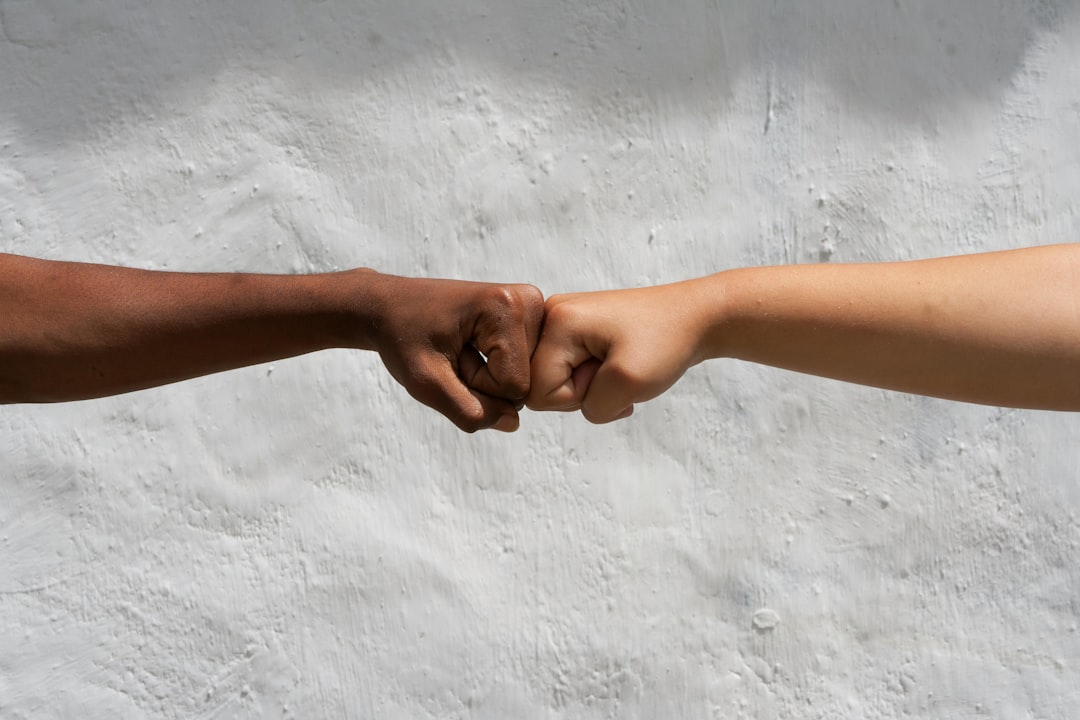
- New handshake emoji with different skin tones — a feat of extensive design coordination.
- Gender inclusiveness for characters like “person with crown.”
iOS 16 and 17 — Emotions Get an Upgrade
In 2022 and 2023, Apple’s emoji evolution centered strongly around expressive innovation. iOS 16 brought improved facial expressions, such as the *melting face*, *saluting face*, and *biting lip*. These emojis captured nuanced reactions common in online communication.
Furthermore, Apple released updates that included:
- Pregnant man and pregnant person emoji — a controversial yet bold move towards representing non-traditional gender identities.
- More symbols for everyday items like slides, beans, and disco balls.
- Family and relationship emojis updated to allow non-gendered combinations.
iOS 17 (2023) emphasized performance and function but also updated the emoji keyboard to better sort and recommend emojis through AI-based predictions. This improved the ease and accuracy of emoji communication significantly.
The Latest iOS — Forward into 2024
With the most recent iOS update, Apple continues its pledge to *keep pace with user expectations* and *global cultural dynamics*. Emojis are now more fluid, expressive, and varied than ever.
New inclusions highlight growing societal concerns, such as sustainability, eco-conscious living, and mental health awareness. Among the newly introduced emojis are:
- Face peeking through fingers — representing anxiety.
- Lime, phoenix, and shaking head for varied expressions.
- Accessibility-focused icons like people using canes and walking aids.
The visual design also received updates — colors are more vibrant, and the shading more subtle than ever. Apple is now focusing on ensuring that emojis not only *look better across devices* but also *render seamlessly within mixed-platform conversations*.
Why Emojis Keep Evolving
Apple’s motivation behind continually evolving emojis lies in several areas:
- Cultural Relevance: Emojis are symbolic representations of real-life identities and emotions. As society evolves, so must these symbols.
- Technical Compatibility: Updating emojis to match the latest Unicode standards ensures cross-platform understanding and readability.
- Brand Identity: Apple personalizes the baseline designs provided by Unicode to fit its iconic design language — clean, expressive, and user-friendly.
Many social movements — such as LGBTQ+ visibility, Black Lives Matter, and disability rights — have directly influenced the emoji library’s expansion.
What’s Next for Apple Emojis?
Looking ahead, we can expect even more personalized and interactive emoji experiences. AI-generated emojis that adjust to user sentiment, real-time animated reactions, and deeper integrations into FaceTime and AR are potential directions.
Apple thrives on making digital communication more *human*, and emojis will remain an important tool for emotional connection. From their humble beginnings as playful icons to nuanced expressions of identity and experience, emojis on iOS tell a compelling story of change, inclusion, and artistic evolution.
Final Thoughts
Emojis are more than cute sidekicks to our messages — they are becoming digital reflections of our humanity. From iOS 10 to the present, Apple has used emojis not only to bring color and emotion to messages but also to celebrate diversity, identity, and the collective journey of its users. The evolution of iPhone emojis is a testament to how fluid and dynamic visual language can be in the palm of your hand.