
From casual texts to professional chats, emojis have become an essential part of modern digital communication. Whether you’re sending a heart to a friend or reacting with a laughing face to a meme, emojis convey more than just emotions—they often express subtle messages, cultural nuances, and hidden meanings that go far beyond their original design.
TL;DR (Too long, didn’t read):
Many iPhone emojis carry meanings that go deeper than their literal appearance. For instance, the peach emoji isn’t just about fruit, and that folded hands emoji might not represent what you think. This article digs into the secret messages behind some of the most commonly used emojis and uncovers how culture, social media, and user creativity have evolved their interpretations. Understanding these meanings can add a new layer of intention (or humor) to the way you message every day.
1. The Peach Emoji (🍑)
At first glance, the peach emoji seems to be an innocent depiction of a fruit. However, this emoji has become widely recognized as a symbol for a person’s buttocks due to its plump and rounded shape. It’s often used in flirtatious or humorous contexts, especially when paired with the eggplant emoji (🍆), which carries a suggestive meaning itself.
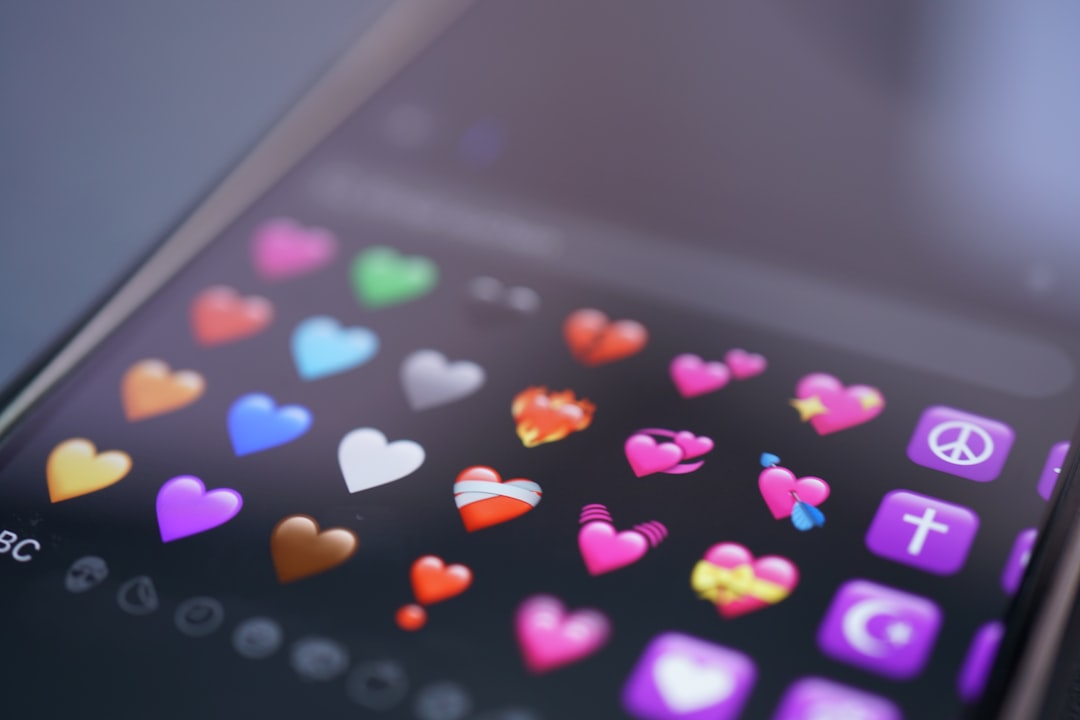
Interesting fact: At one point, Apple tried to modify the design of the peach emoji to look more “fruit-like,” but after user backlash, the company reverted to its original suggestive shape.
2. The Folded Hands Emoji (🙏)
This emoji is often interpreted as a symbol of prayer or gratitude. However, in some cultures like Japan, this gesture is commonly used to signify a respectful request or apology, and it isn’t always religious. Additionally, many users see it as a high-five between two people.
Its ambiguity makes it versatile but can also lead to misunderstandings if the user and recipient interpret it differently.
3. The Smirking Face Emoji (😏)
Don’t be fooled by the subtle smile and raised eyebrows. The smirking face is often used to convey sarcasm, mischief, flirtation, or suggestive intent. While it can simply reflect confidence or self-assuredness, its expression has made it a go-to emoji for innuendo or teasing comments in messaging culture.
Tip: Using this emoji in professional or serious contexts might be misinterpreted as inappropriate or cheeky.
4. The Skull Emoji (💀)
Originally meant to represent death or danger, the skull emoji has been humorously rebranded by younger generations. It’s now commonly used to signal extreme laughter, kind of like saying “I’m dead” from laughing too hard. In this sense, it’s taken a more light-hearted connotation than one might expect.
Its usage parallels phrases like “I’m crying from laughing so hard” and has largely replaced the traditional laughing emoji in many social media circles.
5. The Fire Emoji (🔥)
Over time, the fire emoji has come to represent more than literal heat. It’s now widely used to compliment someone or something as “hot,” “trendy,” or “amazing.” Whether it’s dropped under an Instagram photo or in a Snapchat streak, this emoji is shorthand for something being exceptionally good or exciting.

Context matters: While you might use 🔥 to praise fashion or music, be careful not to overuse it in more formal conversations where its meaning may not be as clear or appropriate.
6. The Eyes Emoji (👀)
This pair of eyes has become a symbol of sneakiness or curiosity. It’s often used to point out a secret, gossip, or something scandalous. On Twitter and other platforms, it’s dropped into conversations to say, “I’m watching,” “This is interesting,” or “Spill the tea.”
In storytelling on social media, it often appears when someone wants to signal dramatic irony or suspense.
7. The Zipper-Mouth Face Emoji (🤐)
While this emoji literally depicts a face with a zipped mouth (a reference to keeping a secret), its hidden meanings range from “I won’t say anything” to “I know something, but I can’t tell you.” It signifies discretion but can also be interpreted as guilt or awkward silence in a conversation.
Often used when someone makes an inappropriate comment that another person doesn’t want to acknowledge yet can’t exactly ignore either.
8. The Clown Emoji (🤡)
Originally used to represent clowns in a literal sense, this emoji has now taken on several sarcastic and ironic meanings. It’s frequently used when someone is acting foolish, making bad decisions, or embarrassing themselves. In essence, calling someone a “clown” has become shorthand for expressing disapproval mixed with ridicule.
For example, responding to someone’s avoidable mistake with the clown emoji implies, “You brought this on yourself.”
9. The Upside-Down Face Emoji (🙃)
This emoji may look like a simple inverted smiley, but it often conveys hidden sentiment like passive-aggression, sarcasm, or frustration masked by politeness. It’s a go-to for when you want to express feelings that are more complex than a straightforward 😃 can represent.
Example: When someone texts, “Sure, take your time 🙃,” it probably means they are anything but patient.
10. The Eggplant Emoji (🍆)
Like its counterpart the peach, the eggplant emoji has evolved far from its original purpose. Due to its unmistakable shape, the emoji has been adopted widely as a cheeky representation of male anatomy. It’s now often used in adult or flirtatious conversations and has gained taboo status on some social platforms.
Many content moderation systems flag the eggplant emoji when it appears in specific contexts, especially alongside other explicit emojis.
In Summary
While emojis were introduced to add emotional nuance to digital conversation, users have given them layered meanings that extend into humor, sarcasm, flirtation, and cultural expression. Understanding these hidden messages can help you communicate more effectively—and avoid misinterpretations that could lead to awkward or unintentional messages.
Frequently Asked Questions (FAQ)
-
Q: Why do emojis have different meanings than their original intent?
A: People use emojis creatively in context, often adapting them to represent ideas that go beyond literal visuals. Pop culture, memes, and regional slang all play into how emojis are interpreted. -
Q: Is it okay to use emojis like 🍑 or 🍆 in texts?
A: It depends on your relationship with the recipient. These emojis are often used jokingly or flirtatiously, so consider your audience carefully. -
Q: Why do emojis look different on other phones?
A: Each platform (iOS, Android, etc.) creates its own version of emoji designs based on Unicode standards. While the meaning usually carries over, some visual differences may lead to different interpretations. -
Q: What’s the best way to understand an emoji someone sends me?
A: Consider both the literal image and the context of your conversation. If unsure, don’t hesitate to ask—it’s better to clarify than misread. -
Q: Are there emojis best avoided in professional settings?
A: Yes. Emojis that carry double meanings (like 😏, 🍑, or 🤡) or appear too casual might not be appropriate in work-related communications.