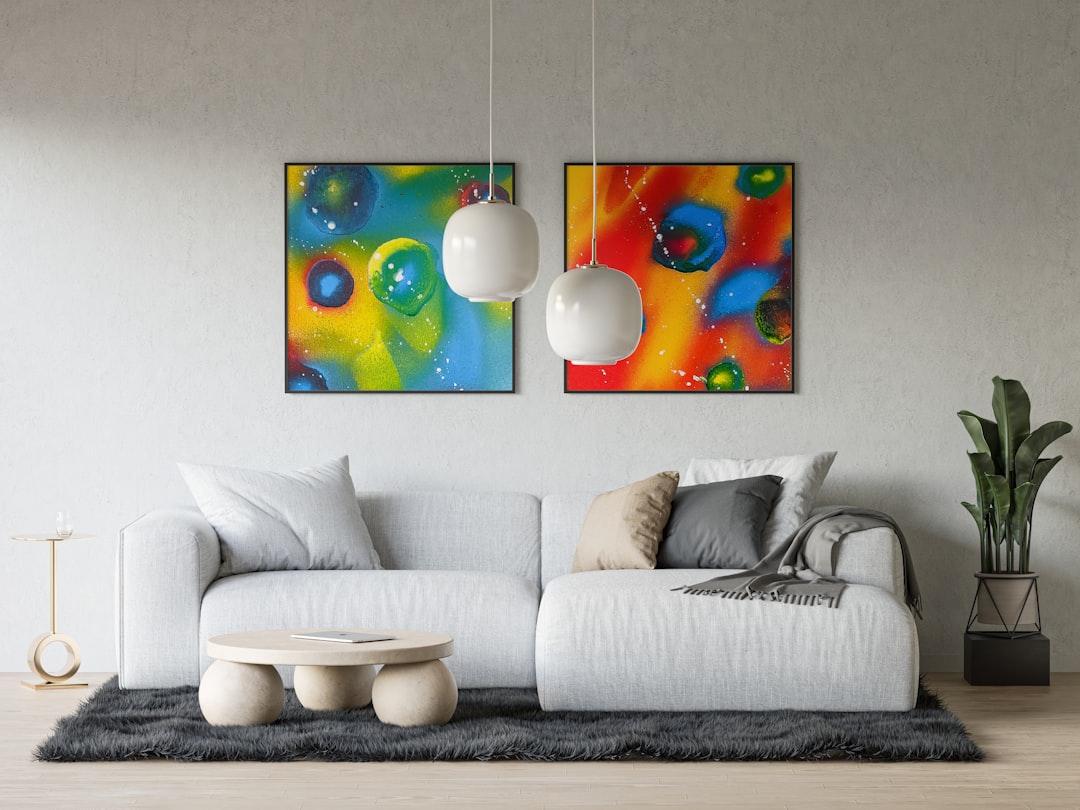
As we approach 2025, the field of graphic design is undergoing a significant transformation driven by shifting cultural values, rapid technological advancement, and an increasing emphasis on personalization and authenticity. For designers, brands, and businesses alike, understanding forthcoming design trends is not just a matter of aesthetics—it’s a strategic imperative. This forecast aims to shed light on the most defining graphic design trends anticipated for 2025, supported by current movements in digital art, branding, and user experience.
1. Maximalism Makes a Bold Return
For several years, minimalism has dominated the graphic design space, offering clean lines, muted tones, and restrained layouts. However, in 2025, we’ll witness the bold resurgence of maximalism. This trend is rooted in expressing creativity without constraint—think vivid colors, intricate patterns, and layered imagery.
Instead of simplicity, designers will lean into complexity and rich storytelling. This revival doesn’t necessarily mean chaos; rather, it’s a calculated complexity designed to evoke emotion and demand attention. Expect to see webpages, advertising materials, and brand identities that feel more eclectic, emotional, and highly personalized.

2. AI-Generated Art Integrated with Human Design
Artificial intelligence is no longer a novelty in the creative space—it’s an essential tool. In 2025, graphic designers will more frequently collaborate with AI to generate initial concepts, automate iterations, and produce sophisticated visual elements. What sets the upcoming year apart is the move from purely AI-generated designs to hybrid creations, blending machine-generated imagery with human refinement.
This fusion offers efficiency without sacrificing uniqueness. AI can handle repetitive tasks or provide data-driven suggestions, while human designers infuse emotion, context, and cultural relevance. The resulting visuals are highly dynamic and adaptable, particularly useful in advertising and digital interfaces where speed and personalization are crucial.
3. Revival of Retro Futurism
Retro Futurism—the aesthetic that envisions the future from the perspective of the past—is set to surge in popularity by 2025. Neon palettes, chrome textures, pixel art, and VHS-style distortions will be featured heavily in branding, social media, and motion graphics.
This trend plays into feelings of nostalgia, optimism, and curiosity for the future. It’s especially resonant in tech and entertainment industries, where brands want to convey innovation while maintaining a sense of fun and familiarity.
4. Inclusive and Representative Visual Narratives
One of the biggest shifts in recent years has been the push for more diverse and inclusive content—and that momentum will only gain strength in 2025. Graphic design will increasingly prioritize inclusion both in subject matter and design frameworks. Designers will actively incorporate:
- A diverse range of skin tones, body types, and ages in illustrations and photo selections
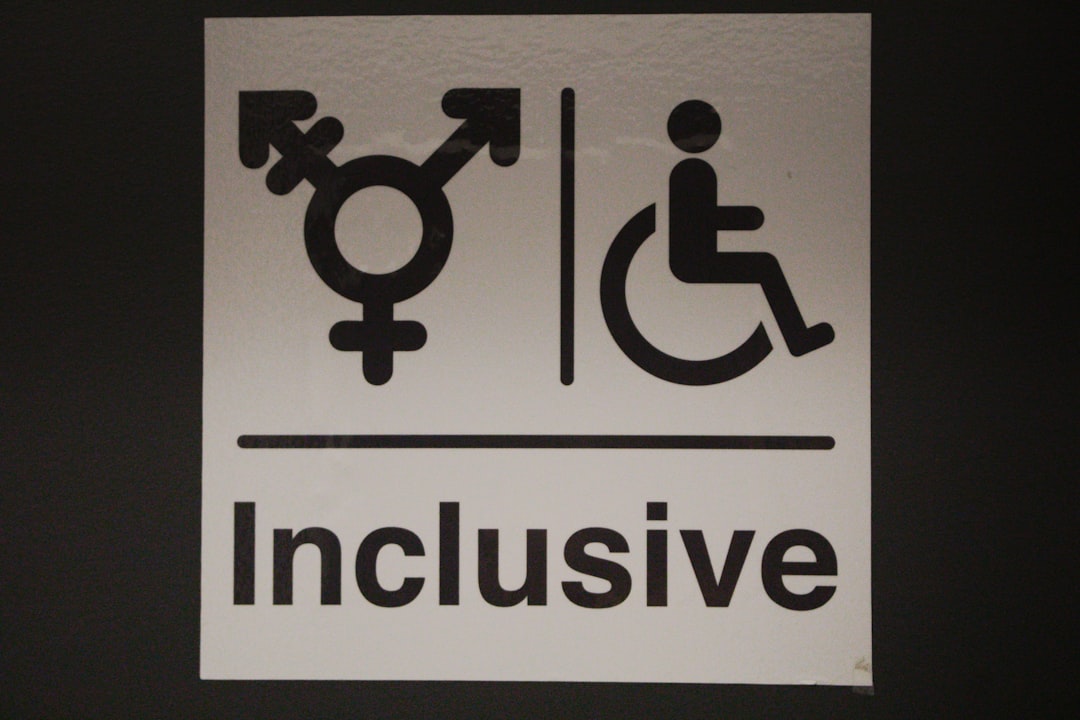
- Gender-neutral iconography and layouts that avoid stereotyping
- Accessibility features, such as high-contrast visuals and screen-reader compatibility
The aim is not tokenism but creating visuals that reflect a multiperspective world. This trend confers both ethical value and market impact, as brands connecting authentically with wider audiences will stand out.
5. Organic and Hand-Drawn Elements
With the digital world becoming increasingly synthetic, there’s a growing craving for authenticity and imperfection. In 2025, hand-drawn illustrations, textured brush strokes, and analog-inspired elements such as torn paper edges and ink blots will become key visual components.
These features add warmth and humanity to brand experiences. They serve as a counterbalance to clean, lifeless vectors and are particularly effective in sectors like sustainability, wellness, and education, where building trust and relatability is crucial.
6. Immersive 3D and Motion Graphics
As screen sizes and processing power continue to expand, 3D visuals and motion graphics are quickly moving from optional upgrades to expected features. In 2025, we’ll see wider adoption of looping 3D animations, interactive graphics, and even augmented reality layers in both web and mobile platforms.
Animations will be more integrated into UX, not just as decorative features but as functional navigational elements. These immersive experiences will especially benefit industries like e-commerce, gaming, and technology by offering rich product visualization and deeper user engagement.
7. Serif Fonts and Typographical Elegance
Typography continues to act as a silent communicator in design. While sans-serif fonts have held the dominant position for years due to their modern simplicity, serif fonts are making a refined comeback. In 2025, you’ll notice a rise in elegantly detailed serif fonts that evoke tradition, trust, and craftsmanship.
In addition to serif popularity, 2025 typography will be defined by:
- Bold type setups with oversized, statement headings
- Creative font mixing to bring dynamic contrast
- Custom typefaces built from scratch to suit individual brands
Typography will be treated as an element of design in its own right, not simply as a vessel for content.
8. Eco-Conscious and Sustainable Aesthetics
Environmental awareness is deeply influencing consumer choices, and graphic design is no exception. The visuals of 2025 will align with broader sustainability goals, using colors, textures, and themes that echo natural environments and eco-responsibility.
Expect to see:
- Earth-toned color palettes — greens, browns, and neutral tones
- Imagery depicting nature, conservation, and ethical consumption
- Recycled paper textures and other print-inspired finishes on digital media
These design decisions resonate with consumers craving authenticity and social responsibility from the brands they support.
9. Grid Deconstruction and Asymmetry
The traditional grid system used for decades in graphic design is being reimagined. In 2025, designers will break the boundaries of symmetry and alignment, embracing unpredictability and asymmetry to create striking layouts.
This style delivers high visual tension and works especially well for fashion, art, and editorial websites. By subverting the viewer’s expectations, it encourages longer engagement and elicits curiosity.
Grid deconstruction does not mean a lack of structure; rather, it is a sophisticated rebellion against uniformity—strategically placing elements to guide the viewer organically through content.
10. Data-Informed Aesthetics
Design is becoming more analytically informed, and 2025 will mark the rise of data-driven visuals. Designers will use user data, behavioral trends, and performance analytics to craft visuals that are not only beautiful but highly functional and outcome-focused.
This approach influences choices such as:
- Color selection based on viewer emotion metrics
- Content placement guided by eye-tracking heatmaps
- Design personalization tailored to audience segmentation
The intersection of creativity and data ensures that visual strategies are both inspired and effective, leading to higher engagement and better ROI for clients and businesses.
Conclusion
The world of graphic design in 2025 is not just about visual appeal—it’s a complex amalgamation of technology, psychology, culture, and sustainability. Designers must remain agile and continuously learn new tools and techniques, but also deepen their understanding of audience expectations and global shifts.
Whether it’s through soulful hand-drawn flourishes or AI-augmented interfaces, the future of design lies in creating connections. Each trend outlined above offers an opportunity to communicate more meaningfully and memorably—qualities that will define the most resonant designs of the coming year.