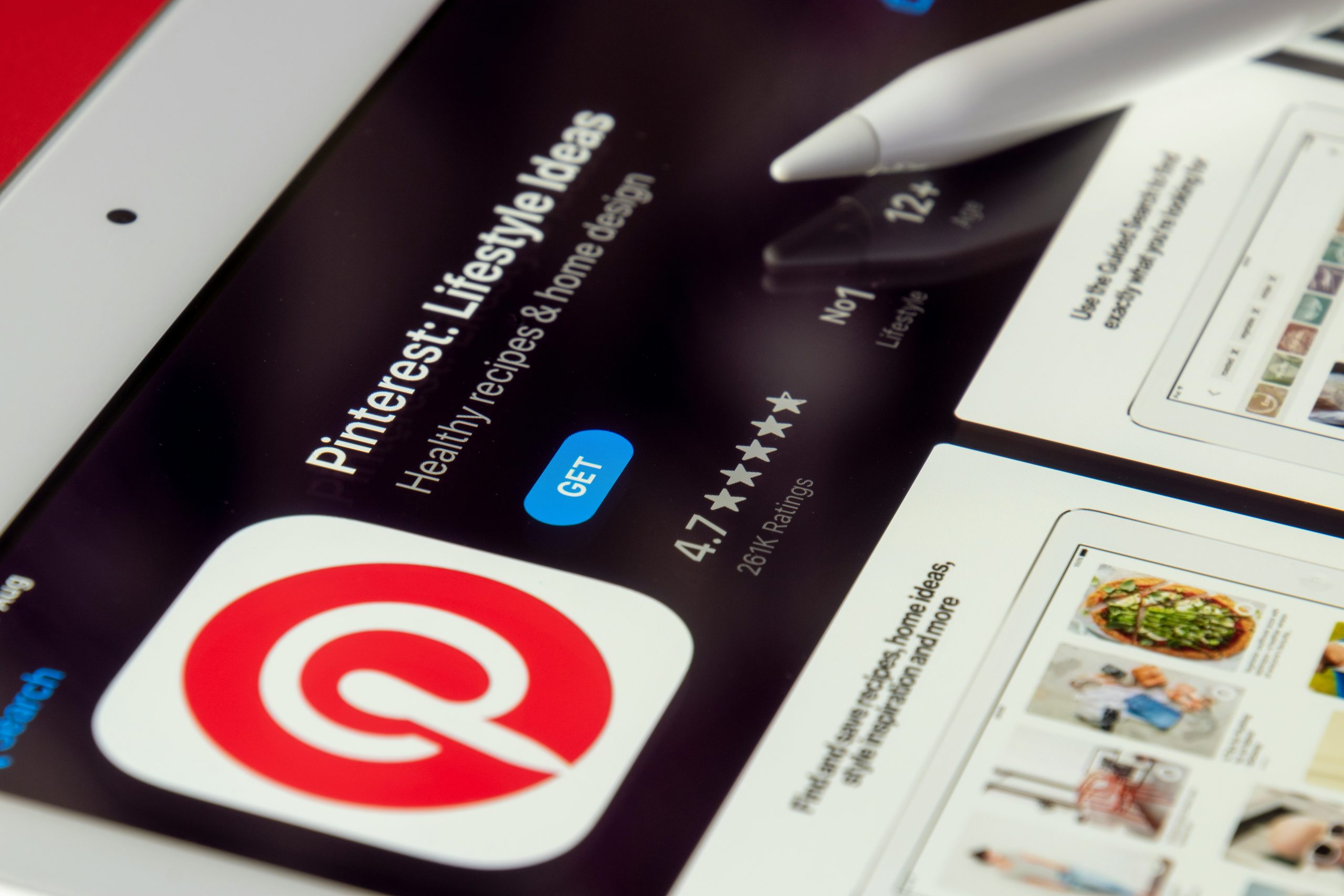
Over the past decade, Pinterest has evolved from a digital pinboard into a powerful visual discovery engine with immense potential for e-commerce. With more than 450 million monthly active users and a majority of them actively seeking inspiration to plan purchases, Pinterest now sits at the intersection of content discovery and online shopping. As we head into 2025, understanding how to leverage Pinterest’s key tools—Boards, Pins, and Catalogs—is more vital than ever for online businesses aiming to stay competitive and expand their reach.
The Pinterest Mindset: Discovery With Intent
Unlike traditional social media platforms that focus on social sharing and networking, Pinterest users are intentional. They come to the platform looking for ideas, projects, products, and how-to guides. For e-commerce brands, this means you’re showing products to potential buyers who are already in a discovery or decision-making phase—gold in the world of sales conversion.
Pinners don’t scroll mindlessly. They search actively with purpose, typing queries like “minimalist home office decor” or “best hiking boots 2025.” If your product listings are visually appealing and strategically pinned, you’re slotting directly into someone’s shopping journey.
Boards: Curated Collections That Convert
Boards are Pinterest’s version of store aisles or themed lookbooks. They offer a way to curate products, ideas, or collections around a central theme, and they’re often what drive people to start following a brand or creator.
Strategically organizing boards can dramatically boost engagement. For an e-commerce brand, this can translate directly into traffic and sales. Here are some smart board strategies:
- Seasonal boards: Think “Spring 2025 Outfit Ideas” or “Holiday Tech Gifts.” Timely, trend-based boards capture search traffic.
- Product-type boards: Group your offerings into categories like “Organic Skincare Sets” or “Patio Furniture Collections.”
- Inspirational boards: Curate lifestyle-focused boards like “Boho Bedroom Vibes” that include your products among other pins. This draws followers into a mood or aesthetic connected to your brand.
Remember, boards are not just for your content. Pinning relevant third-party content shows Pinterest you’re contributing value and can also help boost algorithm exposure.
Pins: Your Products’ Visual Storytellers
A Pin is more than just an image—it’s a piece of visual storytelling. It links directly to your product or content, includes informative descriptions, and often serves as the first touchpoint a user has with your brand.
On Pinterest in 2025, different types of Pins serve varied e-commerce purposes:
- Standard Pins: Still the bread-and-butter format, perfect for product photos and lifestyle shots. Ensure your images are high-quality and mobile-optimized.
- Video Pins: With autoplay features, these Pins capture attention quickly. Use them to showcase product demos, behind-the-scenes footage, or UGC (user-generated content).
- Idea Pins: Multi-page Pins that feel more like Instagram Stories. They can combine images, videos, and text overlays—ideal for tutorials, styling guides, or highlighting different product use-cases.
When creating Pins, be mindful of keywords, SEO-optimized descriptions, and clear brand identity. Use vertical image formats (2:3 ratio works best), maintain consistency in your visuals, and always include your logo subtly if you can.

Catalogs and Shopping Integration: Turning Inspiration Into Sales
One of Pinterest’s biggest strides toward becoming a true e-commerce platform is its shopping features. Catalogs allow retailers to automatically upload product listings and keep them updated in real-time.
Once your catalog is uploaded, Pinterest converts every item into individual shoppable Pins. It’s like stocking a virtual storefront that operates 24/7.
Some key benefits of using Pinterest Catalogs include:
- Dynamic pricing updates: Any changes to stock or price reflect automatically on Pinterest Pins.
- Multi-product Pins: Suggest other catalog items under a related product, encouraging bundling and cross-sells.
- Analytics: Pinterest provides rich insights into how each product performs and which images convert best.
In 2025, Pinterest has strengthened integrations with platforms like Shopify, BigCommerce, and WooCommerce—making it far easier for sellers to sync their inventory and launch product catalogs with a few clicks.
Product Tagging and Rich Pins
Along with catalogs, Pinterest’s product tagging features continue to evolve. Similar to Instagram Shopping, you can now tag products directly in lifestyle images or Idea Pins. This bridges the gap between inspiration and purchase.
Rich Pins take this a step further. These are enhanced Pins that auto-pull metadata from your website, including current pricing, availability, and product descriptions. For e-commerce marketers, these are indispensable tools for ensuring your Pins always contain the latest, most relevant info for the customer.
Pinterest Trends 2025: What’s Hot and What’s Next
What’s coming in 2025 may reshape how marketers approach Pinterest. The platform has already announced enhanced use of AI-generated recommendations and personalized shopping feeds, meaning your Pins will be shown more intelligently to users based on their behavior, interests, and shopping patterns.
Other emerging Pinterest trends for e-commerce include:
- AR Try-On Capabilities: Pinterest’s new augmented reality tools for beauty and home furnishing niches allow users to virtually try before they buy.
- Live Shopping Events: Some brands and influencers are testing live streaming within Pinterest, combining video content with direct product links.
- Localized Shopping: Targeting shoppers based on their region and trending styles in their vicinity is increasingly available through new targeting tools.
Best Practices for E-commerce Brands on Pinterest in 2025
To thrive on Pinterest, use a mix of creative improvisation and analytics-driven strategy. Here’s a checklist of best practices tailored for today’s landscape:
- Optimize Pin Titles and Descriptions: Think SEO. Use long-tail keywords and action-driven language.
- Pin consistently: Aim for daily activity—even a small number of Pins can help maintain engagement and drive algorithm favor.
- Create content for each funnel stage: Mix awareness Pins (inspiration), consideration Pins (comparison guides), and purchase-ready Pins (product close-ups).
- Monitor performance: Dive into Pinterest Analytics to identify top-performing Pins and boards, and iterate based on results.
- Use a scheduling tool: Tailwind and other platforms help automate Pins and keep your strategy consistent.
Conclusion: A Visual Shopping Engine You Can’t Ignore
Pinterest in 2025 is not just a discovery platform; it’s a fully-fledged e-commerce tool tailor-made for brands who think a step beyond “likes” and vanity metrics. By leveraging Boards to organize, Pins to convert, and Catalogs to scale, online sellers can build a long-lasting, loyal audience and drive sales organically.
If you’ve been underestimating Pinterest or treating it like an optional social add-on, now is the time to shift your mindset. In a digital economy where attention is fragmented, Pinterest offers a rare window into buyer intent alongside the visuals that inspire action.
So whether you’re selling handmade crafts or high-tech gadgets, building your presence on Pinterest may well be the smartest e-commerce decision you make in 2025.