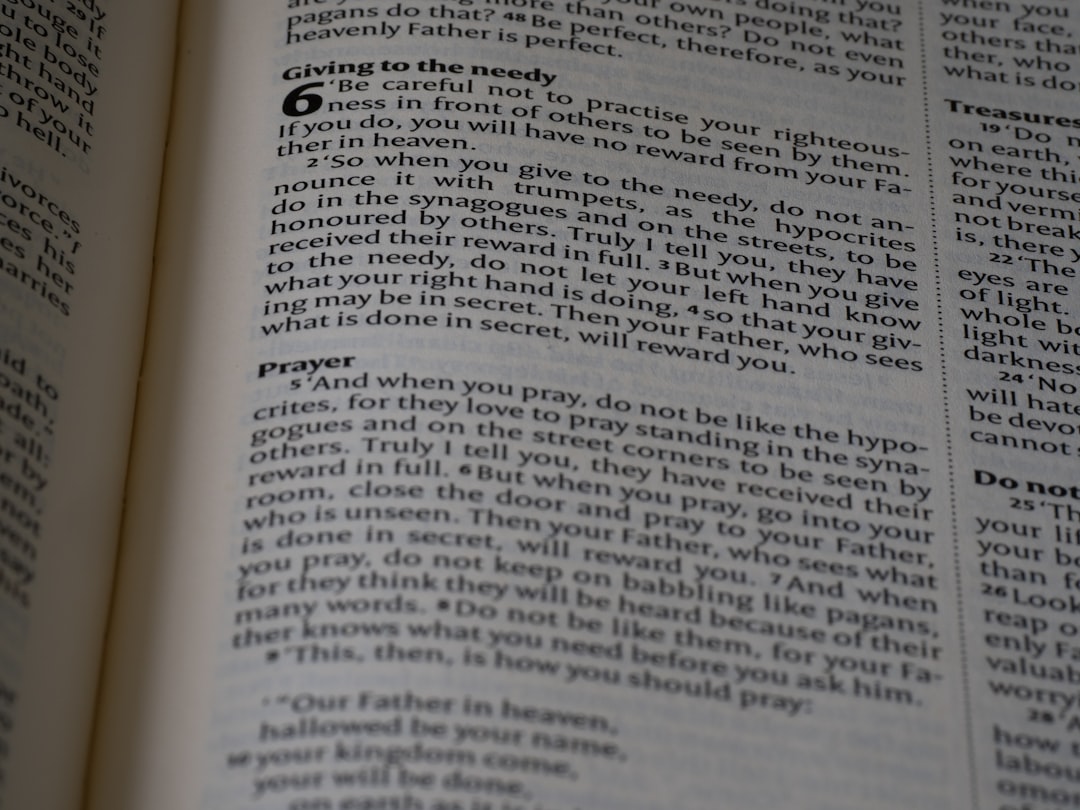
In today’s globalized marketplace, businesses increasingly deal with multilingual communication. Whether it’s website content, product manuals, customer support, or marketing materials, accurate translation is essential. Companies often face the critical choice between human translation and machine translation. Each method offers distinct advantages and limitations, and understanding these differences is vital for making informed decisions that align with organizational goals and customer expectations.
What is Human Translation?
Human translation involves skilled translators manually converting text from one language to another. These translators consider cultural nuances, context, tone, idiomatic expressions, and industry-specific terminology. Their work combines language proficiency with an understanding of localization practices, ensuring that the translated content resonates with the target audience.
What is Machine Translation?
Machine translation uses software and algorithms to automatically convert text between languages. Popular platforms, such as Google Translate, Deepl, and Microsoft Translator, use different technologies like Statistical Machine Translation (SMT) and Neural Machine Translation (NMT). While machine translation can be lightning fast, it does not always capture the subtleties and contexts that humans can.
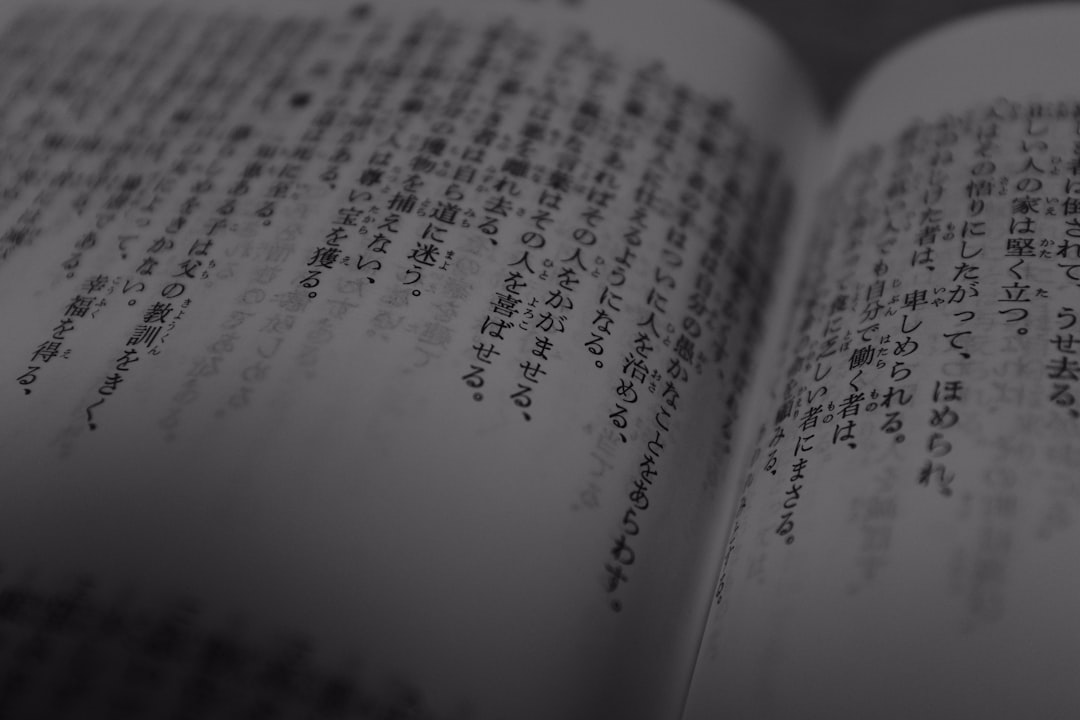
Key Differences Between Human and Machine Translation
1. Accuracy and Context
One of the most significant differences lies in the accuracy and understanding of context. Human translators can:
- Interpret idioms and slang properly
- Understand cultural context and tone
- Avoid embarrassing mistranslations or misinterpretations
Machine translation, although continuously improving, often struggles with:
- Syntax and grammar nuances
- Metaphors, colloquialisms, and industry jargon
- Consistent tone and style across a document
For creative content like marketing slogans, human translators clearly outperform machines because they tailor the message thoughtfully instead of just translating literally.
2. Speed and Scalability
Machine translation is much faster and more scalable. Thousands of words can be translated in seconds, making it useful for:
- Real-time communication like chatbot interactions
- Bulk document translation for internal use
- Initial drafts before final human editing
On the other hand, human translation is time-consuming, especially for large projects. However, speed can still be manageable with translation teams or specialized agencies working in parallel.
3. Cost
Budget constraints often influence a company’s translation strategy. Machine translation is usually cheaper — in many cases, even free. Human translation, by contrast, involves labor costs and pricing based on word count, complexity, and language pair. But cutting costs with machine translation can backfire if the output is inaccurate or inappropriate, potentially harming a brand’s reputation.
4. Customization and Specialization
Human translators adapt their translations to fit specific industries or technical vocabularies. They can closely follow a business’s established terminology and preferred tone. In contrast, machine translation engines require customization through training data and post-editing to reach a similar level of specialization, which still may fall short of human standards without extensive effort.
5. Confidentiality and Data Privacy
When dealing with sensitive or proprietary information, trusting a machine may carry risks. Many free machine translation tools upload data to cloud servers, which could compromise confidentiality. Human translators, especially those working under NDAs, provide a more secure option for translating legal documents, contracts, and internal communications.

Use Cases: When to Choose Human or Machine Translation
Choose Human Translation When:
- High accuracy, nuance, or tone is essential
- Translating legal, medical, or technical documents
- Creating marketing materials or brand messaging
- Localization is important for regional markets
- Your content will be publicly distributed or published
Choose Machine Translation When:
- You need quick translations for internal use
- Speed matters more than stylistic accuracy
- Handling high volumes of repetitive or structured text
- You have limited budget and in-house review capability
- A pre-translation (first draft) is required before human editing
The Rise of Hybrid Translation Models
Many businesses adopt a hybrid translation model, where machine translation is used for the initial draft and human translators refine the content through editing and proofreading. This approach balances speed and cost-efficiency without compromising quality. Known as Machine Translation Post-Editing (MTPE), this process can be a strategic solution for businesses seeking the best of both worlds.
The Role of AI and the Future of Translation
AI-enabled translation tools are becoming more advanced. Technologies like NMT and deep learning are significantly improving translation fluency and relevance. However, AI is still unable to replicate human intuition and cultural intelligence. For now, AI performs best as a support tool rather than a standalone solution. Businesses that leverage AI alongside skilled human translators can maximize their global communication strategy.
Conclusion
Deciding between human and machine translation isn’t a matter of choosing one over the other, but rather understanding what each offers. Human translation brings quality, precision, and cultural fluency; machine translation provides speed, cost savings, and scalability. For many businesses, the ideal solution lies in combining both, using them strategically depending on the content’s purpose and audience. With a thoughtful approach to translation, companies can improve international customer experience, strengthen brand trust, and unlock new market opportunities.
FAQs
-
Q: Is machine translation good enough for business use?
A: It depends on the context. For internal documents and fast communication, machine translation can suffice. For customer-facing content, human translation is usually better to ensure quality and appropriateness. -
Q: How accurate is machine translation compared to human translation?
A: Machine translation has improved significantly with AI, but it’s still less accurate than human translation, especially when content involves idioms, tone, or subject-matter expertise. -
Q: Can I rely on free online translators for legal documents?
A: No. Legal documents require precision and confidentiality. It’s best to use professional human translators who specialize in legal language and privacy protocols. -
Q: What is MTPE?
A: MTPE stands for Machine Translation Post-Editing. It’s a process where human editors improve machine-translated content to match the required quality and tone. -
Q: How do I choose between using a translation agency and automated translation tools?
A: Consider your budget, timeline, type of content, and target audience. Agencies offer expertise and reliability, while automated tools offer speed and convenience. Many businesses benefit from using both together.