
In today’s highly visual and fast-paced digital landscape, small businesses are constantly seeking new ways to connect with audiences. Among the various tools available for engagement, emojis have emerged as powerful visual enhancers that can elevate marketing efforts—particularly across social media platforms. Often underestimated, these small graphic symbols offer a simple yet highly effective way to humanize content, convey emotion, and boost engagement.
The Rise of Emojis in Digital Communication
Emojis originated as simple expressions to aid digital messaging, but their role has evolved. Now integral to how people communicate online, they’re used not just in personal messages but also in corporate and promotional content. The growth of emoji usage reflects a shift in consumer expectations—people want casual, authentic, and emotionally resonant communication from brands.
For small businesses, where building relationships and trust is key, emojis offer a budget-friendly way to stand out in crowded social feeds and spark organic interactions.
Why Small Businesses Should Use Emojis in Their Social Media Marketing
Here are several specific benefits emojis can bring to a small business:
- Increased Engagement: Posts with emojis have higher click-through, like, and share rates.
- Improved Emotional Connection: Emojis help convey mood and emotion more effectively than text alone.
- Strong Brand Personality: When used appropriately, emojis can humanize a brand and make communications feel more relatable.
- Enhanced Visual Appeal: Emojis break up large text blocks and add visual interest to posts.

How to Incorporate Emojis Strategically
Success with emojis doesn’t come from using them randomly. Here’s how small businesses can intentionally and effectively employ emojis:
1. Understand Your Audience
Before using emojis, it’s essential to know who the target audience is. Younger consumers may embrace frequent and playful emoji use, while more professional audiences might prefer restrained implementation. Observe how your followers communicate and tailor emojis to match their tone.
2. Fit the Platform
Different platforms favor unique styles of communication:
- Instagram: Highly visual, making it perfect for emoji-rich captions and stories.
- Twitter: Emojis help condense messages due to character limits.
- Facebook: A good spot for expressive posts and reactions.
- LinkedIn: Use emojis sparingly here to maintain professionalism.
3. Pair Emojis with Text
Let emojis support—not replace—your message. They should complement your copy rather than obscure it. For example, adding a ❤️ at the end of a product promotion can create emotional resonance without overwhelming the message.
4. Highlight Key Messages
Use emojis as directional tools to guide readers’ attention toward CTAs (calls to action), discounts, or special announcements.
Example: 🎉 50% OFF this weekend only! Shop now 👉 www.example.com5. Promote Brand Consistency
Create a “brand emoji vocabulary”—a small set of emojis that reflect the tone and voice of the business. This helps messages become more recognizable and aligned with the brand identity.
Best Practices for Emoji Usage
While emojis are fun, overuse or misapplication can backfire. Follow these best practices:
- Don’t overdo it: Too many emojis can clutter the message and confuse readers.
- Be culturally sensitive: Emojis may have different meanings across demographics or regions.
- Ensure compatibility: Some older devices might not display newer emojis.
- Avoid misinterpretation: What seems harmless can be perceived differently by others.
When used thoughtfully, emojis can embody your brand’s tone while enhancing readability and emotional appeal.
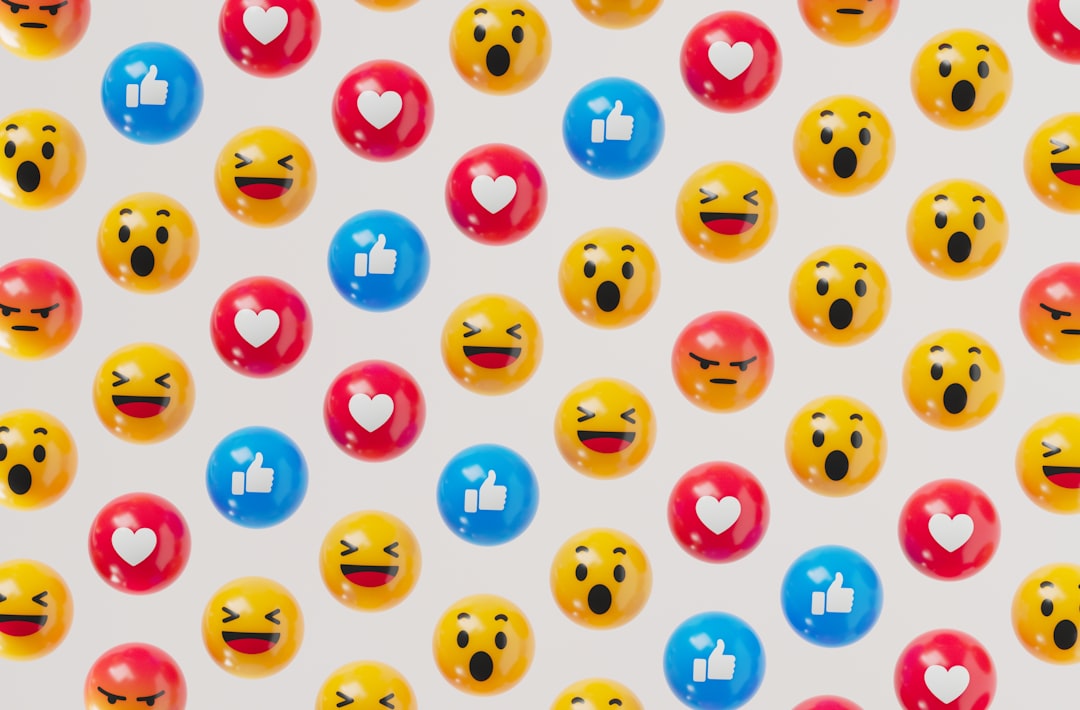
Examples of Effective Emoji Marketing by Small Businesses
Let’s look at a few real-world scenarios where small businesses have successfully used emojis:
- Coffee Shops: Local coffee shops include ☕ in social posts to reinforce their brand and draw attention to daily drink specials.
- Fitness Studios: Using 💪 and 🏋️ emojis, fitness brands can promote classes and motivate engagement from health-focused audiences.
- Bakery: Posts showcasing cupcakes with 🍰 or 🍩 emojis attract attention and make content instantly recognizable and crave-worthy.
These examples show how small emojis can make a big impact when paired with product images and clear messaging.
Emoji Use in Customer Engagement
Small businesses can also utilize emojis in customer interaction:
- Polls and Surveys: Use emojis for options in Instagram Stories polls (👍 vs 👎, 🥧 vs 🍪).
- Replies and Comments: Reacting to customer comments with emojis adds a friendly human touch.
- Automated Messages: Emojis in chatbot scripts or automated DMs can make automated responses feel warmer and more conversational.
Emojis in Ads and Paid Promotions
Emojis are also effective when placed carefully in social media ads. They can emphasize points or make a CTA more attractive. Ads featuring emojis have been shown to perform better, especially on Instagram and Facebook. Always A/B test with and without emojis to determine what resonates best with your audience.
Tracking Emoji Performance
Like any marketing tool, emoji use should be evaluated for effectiveness. Social media platforms’ built-in analytics can provide engagement insights. Look for metrics such as:
- Engagement rate: Likes, shares, and comments on posts with emojis versus those without.
- Click-through rate: CTAs that are paired with emojis versus those that aren’t.
- Conversion rate: Use emojis in messages that lead to purchases or signups and watch how they perform.
Conclusion
Emojis are more than just fun—they’re strategic assets for modern-day social media marketing. For small businesses looking to elevate their presence without breaking the bank, emojis offer an accessible way to build connection, enhance engagement, and represent brand personality. Whether sprinkled into captions or built into ad campaigns, a well-placed emoji can turn a scroll into a sale.
Frequently Asked Questions (FAQ)
- Q: How many emojis should I use in a single post?
- A: Aim for 1–3 emojis per post. Too many can be overwhelming and reduce readability.
- Q: Are there emojis I should avoid using?
- A: Yes, avoid emojis with controversial, suggestive, or unclear meanings. Always consider your audience when choosing emojis.
- Q: Can emojis negatively affect my brand?
- A: If used improperly—such as excessive usage or misinterpreted symbols—emojis can confuse or alienate your audience.
- Q: How can I tell which emojis work best for my audience?
- A: Test different emojis and monitor metrics like engagement and click-through rate. Use A/B testing where possible.
- Q: Are emojis appropriate for all social media platforms?
- A: Most platforms support emojis, but usage should be adjusted based on the platform’s tone. Use them sparingly on professional platforms like LinkedIn.
- Q: Should I use emojis in hashtags?
- A: Emojis can’t be included directly in hashtags but can be placed before or after them for emphasis or visual appeal.