
As we increasingly communicate through digital platforms, the absence of face-to-face interaction can often dilute emotional nuance and lead to misunderstandings. In response to this challenge, emojis have emerged as simple yet powerful tools that enhance the quality of online exchanges. Although initially viewed as lighthearted additions to messages, current research highlights the potential value of emojis in supporting mental health and improving emotional clarity in digital conversations.
Understanding Emojis: More Than Just Symbols
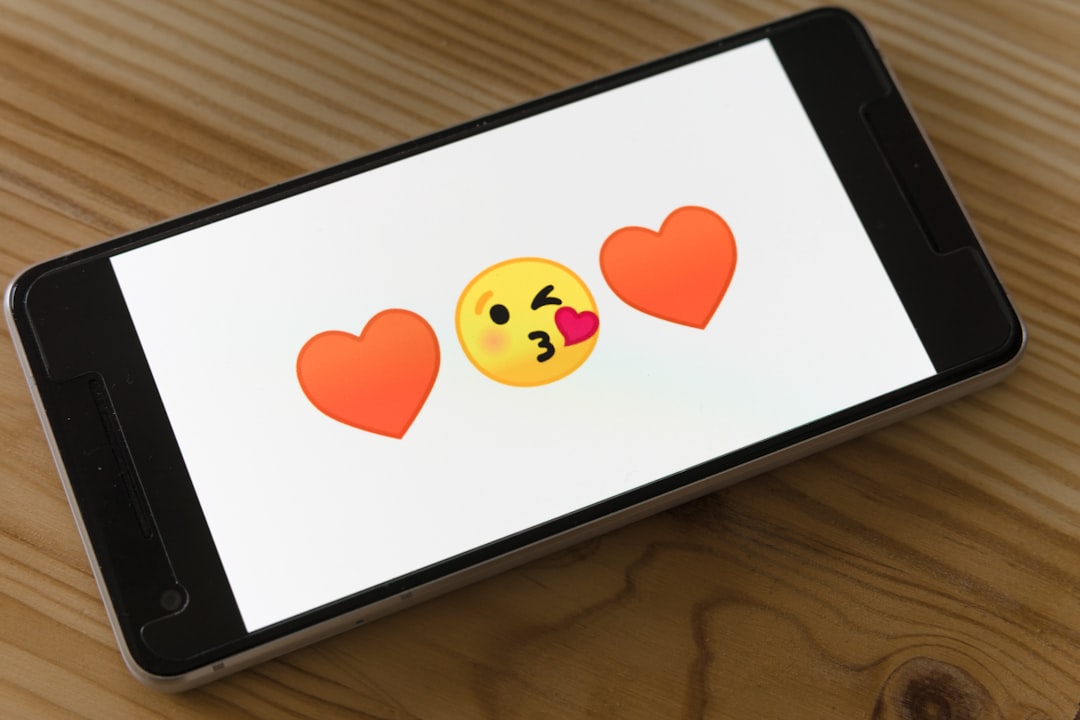
Emojis are more than aesthetic embellishments in digital messaging — they represent compact emotional cues. A smiley face 😊, a sad tear 😢, or even a heart ❤️ allows individuals to convey subtle emotional tones that text often fails to capture. In online messaging, where non-verbal cues like tone, facial expression, and body language are absent, emojis help bridge the emotional gap.
For instance, a message such as “I’m fine” can be interpreted in multiple ways. However, when paired with a 💬😊 or 😔 emoji, the emotional context becomes more apparent. This added layer of emotional transparency can contribute positively to both everyday communication and more profound emotional exchange.
The Connection Between Emojis and Mental Health
Digital communication has become a key avenue for people to express their emotional state. This is particularly important as mental health becomes a more visible part of everyday discussion. Adding emojis to online conversations supports emotional expression in the following ways:
- Enhancing Clarity: Emojis help clarify the tone of a message, reducing the likelihood of misinterpretation and potential conflict.
- Building Empathy: By offering visual cues, emojis can foster empathy among users, facilitating a deeper understanding of others’ emotional states.
- Encouraging Emotional Expression: For individuals who struggle to label or verbalize feelings — such as those experiencing anxiety or depression — the use of emojis can be a first step toward opening up.
Studies have shown that using emojis can lead to more emotionally supportive online conversations. When users append messages with expressive icons, it may make it easier for others to respond with compassion, validation, or curiosity — essential components of emotionally healthy communication.
Scientific Perspectives: What the Research Says
Psychologists and communication specialists have turned their attention to the role emojis play in digital conversations. One widely cited study published in the journal Frontiers in Psychology found that emojis function similarly to facial expressions in face-to-face communication, activating the same emotional centers in the brain.
Moreover, researchers have found that frequent use of positive emojis correlates with higher levels of social connectedness and emotional well-being. When people use emojis as part of regular communication, they tend to report stronger relationships, feeling more understood, and even greater personal satisfaction in those interactions.
Emojis and Emotional Validity
One of the most important aspects of mental health is feeling validated—knowing that one’s feelings are seen and accepted. Emojis can contribute to emotional validation in the following ways:
- Reflection: Responding to someone’s emotional statements with an emoji (e.g., 😞 to a message about a tough day) can signal acknowledgment and understanding.
- Supportive Reinforcement: Emojis such as 🤗 or ❤️ can reinforce words of support like “I’m here for you,” making them feel more sincere and comforting.
- Emotion Identification: For those learning to identify and articulate emotions, such as children or people in therapy, emojis can serve as simplified expressions of complex feelings.
The Role of Emojis in Digital Mental Health Services
Given their emotional accessibility, some mental health apps and digital therapy platforms have incorporated emojis into their user interfaces. Whether tracking mood changes, journaling thoughts, or communicating with a therapist, emojis provide users with an easily recognizable system for expressing feelings.
Cognitive Behavioral Therapy (CBT) modules delivered via smartphone often ask participants to rate their mood using a range of emojis before and after exercises. This technique allows therapists or systems to detect patterns over time and tailor interventions accordingly. Emojis offer a less intimidating and more engaging way to reflect on one’s emotional state — an essential component of self-awareness and resilience building.
Potential Limitations and Misuse
While the use of emojis contributes positively to many digital interactions, there are potential limitations to keep in mind:
- Over-reliance: Emojis should not replace verbal or written communication, especially when discussing complex emotions or serious mental health concerns. A heart emoji ❤️ can’t substitute for meaningful dialogue, but it can complement it.
- Misinterpretation: Because the perception of emojis can be culturally specific or vary by individual, the intended emotion might not always be received as expected. For example, the 🙃 emoji might be interpreted as sarcasm or passive-aggressiveness by some, while humorous by others.
- Lack of Nuance: Certain emotions might not have clear emoji representations, leading to oversimplified communication if not supplemented with words.
Thus, while emojis serve as useful tools, they work best when integrated thoughtfully alongside verbal communication.
Using Emojis Effectively: Best Practices
If used with mindfulness and care, emojis can bring significant benefits to the quality of your online communication and overall emotional health. Here are several tips for their effective use:
- Know Your Audience: Consider how the person you’re communicating with tends to use emojis. Not everyone interprets them the same way.
- Use Sparse But Strategic Emojis: Rather than filling messages with numerous emojis, choose one or two that accurately convey the tone or emotion you want to share.
- Combine With Clear Text: Emojis are best used to augment, not replace, clear writing. For example, saying “I was really proud of you today 😊” is more effective than just sending the smiley alone.
- Avoid Ambiguous Emojis In Sensitive Contexts: When discussing mental health or complex feelings, steer clear of emojis with multiple interpretations to reduce misunderstandings.
Conclusion: Small Symbols, Big Impact
In an age where more of our conversations happen through screens, maintaining emotional authenticity is vital to our mental well-being. Emojis, despite their simplicity, offer a valuable bridge between pure text and the rich tapestry of non-verbal communication found in face-to-face interactions.
By helping people express their moods, cope with stress, and feel understood, emojis have the potential to enhance emotional health in digital dialogues. When used properly, they can become a positive pillar of supportive communication, offering color and compassion to otherwise neutral messages.
As we continue to navigate the digital world, let’s not overlook the expressive power of a small smiling face, a teardrop, or a heart. The impact of these symbols may be much larger than their size suggests — especially when it comes to connecting minds and hearts across screens.