
As urban areas become increasingly congested and campuses evolve into self-contained ecosystems, efficient and smart parking management solutions have transformed from a convenience into a necessity. Choosing the right parking management system can significantly improve traffic flow, reduce emissions, increase safety, and enhance user experience. This guide contributes a comprehensive overview of the essential factors, technologies, and decision-making strategies that planners and administrators should consider when selecting the best parking management solutions for smart cities and modern campuses.
Understanding the Need for Smart Parking Management
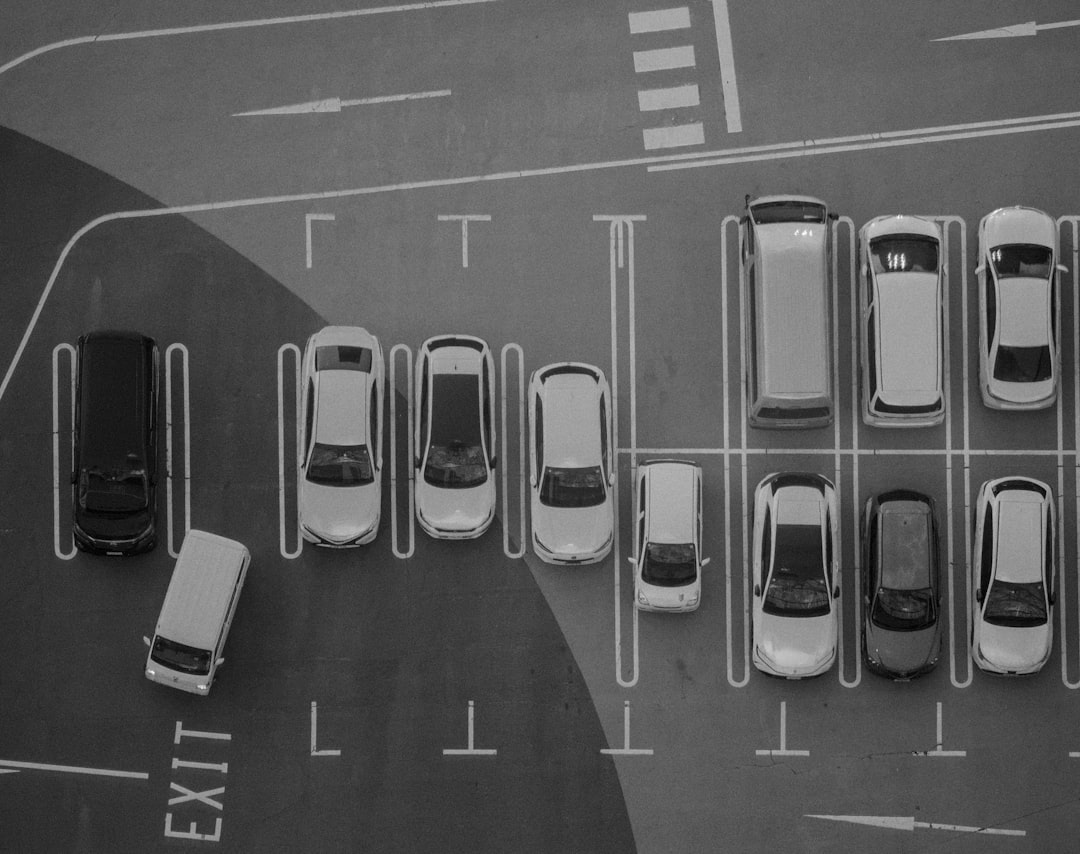
Traditional parking systems are ill-equipped to handle the growing demands of urban mobility. Factors such as increasing vehicle ownership, limited parking space, and the need for sustainable infrastructure have driven the need for smarter, tech-driven alternatives.
Smart parking management integrates digital technologies to streamline parking operations, enabling real-time monitoring, automated enforcement, and data-driven decision-making. These systems are particularly beneficial for:
- Urban municipalities dealing with dense traffic zones
- University and corporate campuses with limited space
- Transportation hubs like airports and train stations
- Commercial zones and retail establishments
Implementing a modern parking solution has the potential to reduce circling, minimize fuel consumption, and ensure optimal space utilization—all contributing toward a smarter, greener urban future.
Key Features to Look for in a Parking Management System
Selecting the best parking solution depends on aligning features with operational and user requirements. Here are the most critical capabilities a solution should offer:
1. Real-Time Space Occupancy Monitoring
A reliable system should offer up-to-the-minute data on the availability of parking spaces. This feature helps drivers find spots quicker and reduces traffic congestion, especially in high-density areas.
2. License Plate Recognition (LPR)
LPR technology automates access control, billing, and enforcement. It drastically reduces the need for human intervention and enhances security by keeping a digital record of vehicle entries and exits.
3. Mobile Integration
A mobile app interface allows users to check availability, reserve spaces, pay fees, and receive predictive availability notifications. It also enhances the user experience by providing seamless services through mobile devices.
4. Data Analytics Dashboard
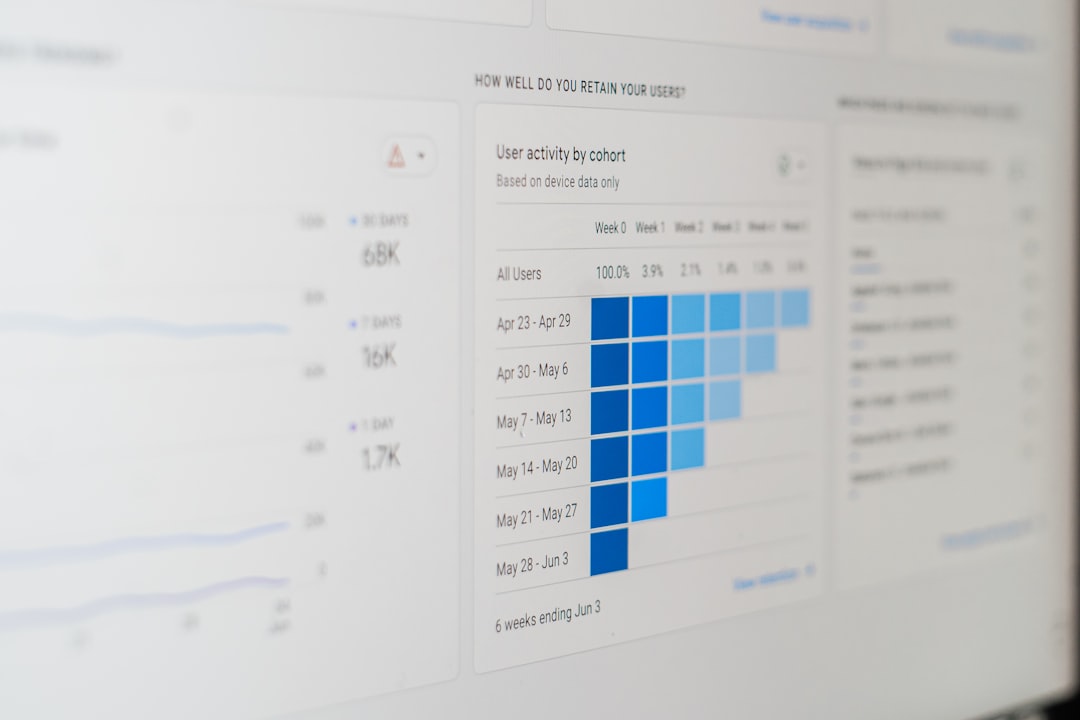
Data collection and analytics enable operators to understand usage patterns and improve resource allocation. Predictive analytics can forecast peak times and assist in dynamic pricing strategies.
5. Scalability and Flexibility
Whether your site is a growing university campus or an expanding urban neighborhood, choose a system that can scale with your evolving needs. Flexibility in deployment supports phased implementations and modular upgrades.
Evaluating the Types of Parking Management Architectures
Technological variety in this field means administrators must choose between several different system architectures. Each comes with its own strengths and considerations:
On-Premise vs Cloud-Based Solutions
- On-Premise Systems: These are installed and managed locally, which allows for greater control and security. However, they often involve higher upfront costs and more complex maintenance.
- Cloud-Based Systems: These systems provide easy integration, remote access capabilities, and automatic updates. They are ideal for municipalities and institutions looking for scalable and low-maintenance solutions.
Sensor-Based Parking vs Camera-Based Parking
- Sensor-Based: Uses embedded ground or overhead sensors to detect vehicle presence. These systems are highly accurate and offer low latency, ideal for individual space monitoring.
- Camera-Based: Utilizes AI-enabled cameras for broader surveillance and LPR. While installation may be more complex, it offers comprehensive analytics and reduced hardware dependency per space.
Essential Considerations for Deployment
Beyond features and technical architecture, several environmental and stakeholder factors impact successful system deployment:
- Existing Infrastructure: Assess whether the new system can integrate with existing barriers, kiosks, or campus networks.
- User Demographics: For campus applications, consider tech-savviness; for cities, support multiple language options and accessibility compliance.
- Budget and Funding: Factor in initial setup, training, maintenance, and potential third-party integrations. Explore public-private partnership models for cities to offset infrastructure costs.
- Regulatory Compliance: Understand local ordinances, privacy laws regarding video logging, and ADA accessibility requirements.
Top Parking Management Solutions on the Market
While many service providers offer specialized solutions, the following systems are well-regarded for their innovations and comprehensive capabilities:
- ParkMobile: Focused on mobile-based reservations, ideal for municipalities and large events.
- Flowbird: Integrates parking and ticketing services, widely used in tourist-centric cities.
- TIBA Parking: Offers hardware and software systems with a focus on campus and airport deployments.
- INDECT: Sensor-centric solution with real-time dashboards, commonly used in premium retail parking hubs.
- Parkopedia: Largest parking database, useful for platforms looking to aggregate multiple systems.
Case Studies: Real-World Implementations
Urban Deployment: San Francisco’s SFpark
SFpark deployed a sensor-based parking management system across major districts to reduce congestion. The result was:
- Discovery of dynamic pricing models based on occupancy trends
- Significant improvement in parking turnover and average occupancy
- Reduction in circling time and CO2 emissions
Campus Implementation: MIT Parking System
The Massachusetts Institute of Technology adopted a license-plate enabled, app-integrated system. It featured RFID, smart reservations, and real-time availability which led to:
- Optimized space usage despite infrastructure limitations
- User satisfaction improvement across students and faculty
- Streamlined event parking with pre-booking options
Future Trends Shaping Parking Management
The field of parking management is continually evolving, driven by innovations such as:
- Artificial Intelligence: Enables predictive insight and adaptive pricing models
- 5G Integration: Offers high-speed, low-latency connectivity for real-time operations
- Autonomous Vehicles: Smart systems will play a vital role in infrastructure compatible with self-driving cars
- Sustainability Metrics: Future systems will measure and report their environmental impact, aligning with green certification goals
Conclusion: Making the Right Choice for Long-Term Value
Choosing the right parking management solution is a high-impact decision, particularly for urban planners and campus facility managers who must balance cost, usability, and future readiness. A well-chosen system aligns with stakeholder needs, integrates seamlessly with current infrastructure, and remains flexible for future innovations.
By identifying operational goals, evaluating leading-edge features, and acknowledging the bigger picture of sustainable city planning, decision-makers can implement parking solutions that serve as lasting assets rather than just functional additions.
In the smart cities and campuses of tomorrow, parking will not just be about finding a space—it will be a gateway to a broader, smarter mobility ecosystem.