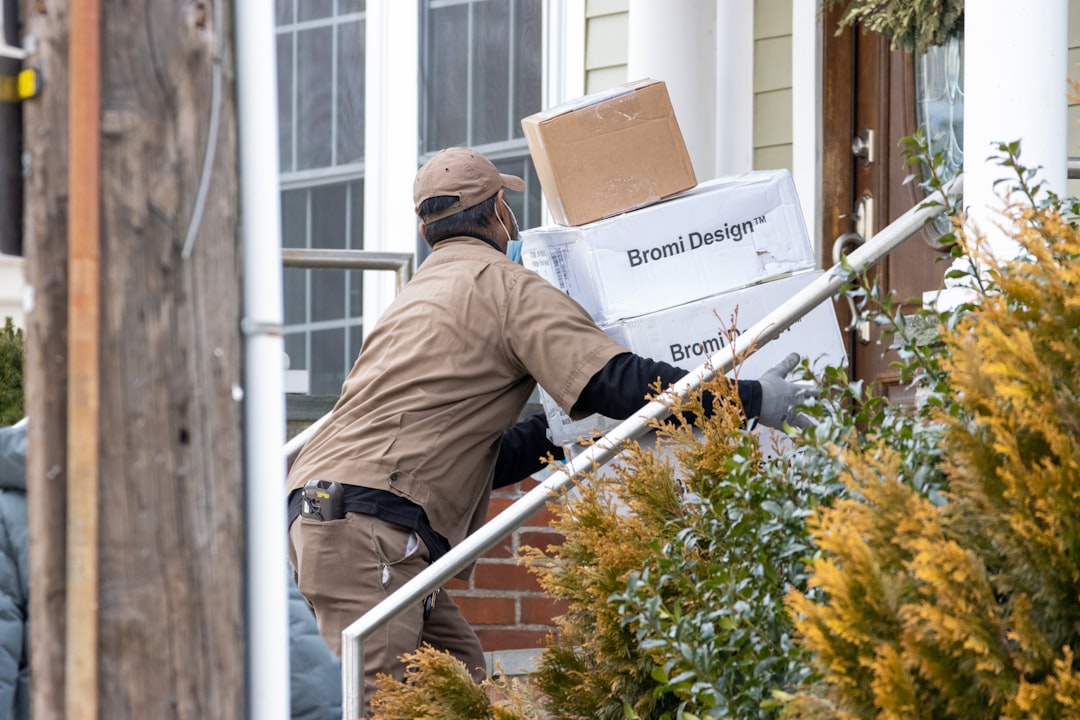
Imagine a camera that doesn’t just “see,” but also “thinks.” That’s what Camera AI is all about. And it’s not some futuristic tech dream — it’s happening right now. From letting you know when a package arrives to improving security in a shop, AI-powered cameras are becoming everyday heroes.
They can detect motion, recognize faces, and even understand behavior. This makes them incredibly useful in both homes and businesses. Let’s explore how this smart technology is changing lives in ways that are exciting, practical, and even a little bit fun.
How Do AI Cameras Work?
Traditional cameras just record. AI cameras go a step further. They process what they see in real-time. With the help of machine learning and computer vision, they learn patterns, identify objects, and make decisions.
They’re like the Sherlock Holmes of cameras — always observing and always learning.
Smart Homes: Where Everyday Life Gets Easier and Safer
Let’s start at home. Because who doesn’t want a home that feels safe and smart?
1. Face Recognition for Family and Friends
Modern doorbell cameras can recognize faces. They can tell if it’s your kid coming back from school or your neighbor dropping off donuts. If it’s someone unknown, it can send you a notification instantly.
This means fewer false alarms and more peace of mind.
2. Package Theft Prevention
Worried about porch pirates? AI cameras can detect the delivery of a package and even track if someone tries to snatch it.
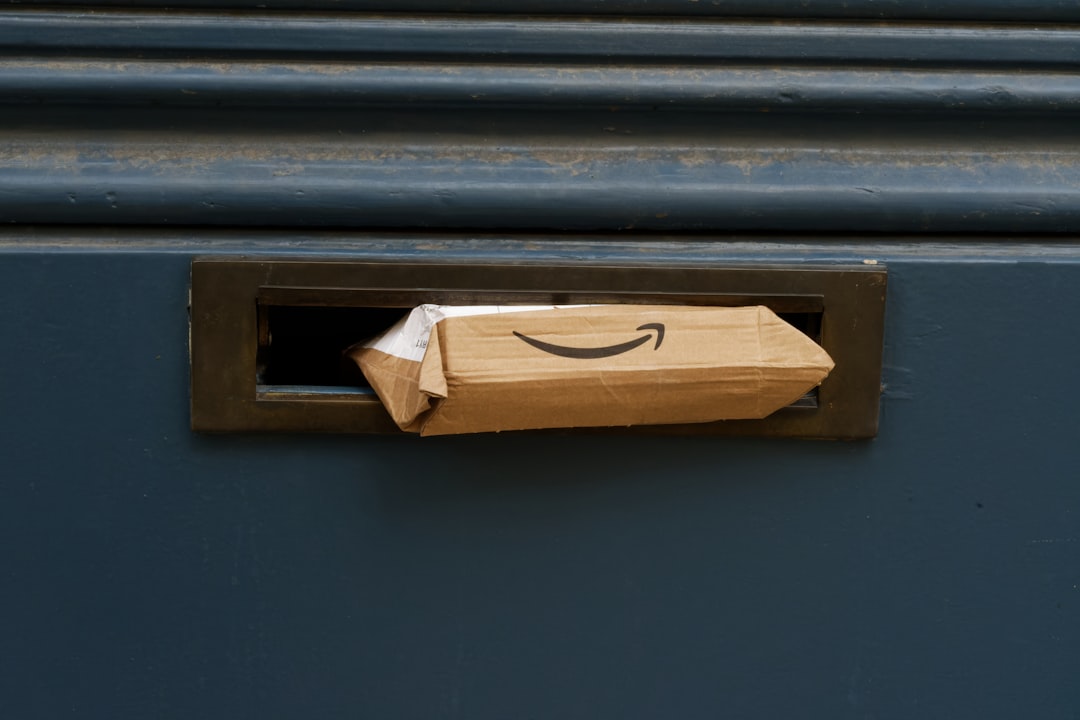
Some cameras go further by communicating with smart locks to let delivery drivers place packages safely inside a secure location.
3. Pet Monitoring
Pet lovers, rejoice. AI cameras can recognize and track pets around the house. They can even notify you if your dog looks anxious or your cat jumps on the kitchen counter (again).
Some smart cameras also connect with treat dispensers — so you can toss a snack to your furry friend while you’re away!
4. Smarter Baby Monitors
Forget static baby cameras. AI smart cams can monitor your baby’s breathing, sleep patterns, and movement. They alert parents only when something is genuinely unusual.
Less false crying alerts, and more restful sleep for everyone.
Business Use Cases: Security, Efficiency, and Customer Happiness
In businesses, AI cameras are doing much more than spotting suspicious behavior. They’re improving everything — from service to operations.
1. Smart Surveillance Equals Better Security
AI cameras can spot suspicious actions instead of just recording hours of boring footage. They can detect loitering, aggressive movements, or if someone enters an off-limits area.
Unlike humans, they never blink or take lunch breaks.
2. Queue Management and Customer Insights
In stores and cafes, AI cameras can track how busy it gets. They measure foot traffic, wait times, and customer flow.

That data helps managers open a new counter at the right moment or rearrange displays to boost sales. It’s like giving your store a brain.
3. Workplace Safety Monitoring
In warehouses and industrial spaces, AI cameras can spot unsafe behavior like workers failing to wear helmets or entering restricted zones.
They can also detect leaks, smoke, or signs of a fire before a human does, potentially preventing major disasters.
4. Fraud and Theft Detection
AI cameras can detect when someone is trying to steal or act dishonestly. They use behavior analysis to flag suspicious activity.
For example:
- Recognizing repeated patterns from known shoplifters
- Spotting cash register fraud in real-time
It’s like having a digital detective on the premises.
Unique and Surprising Use Cases
Some uses of Camera AI might surprise you! Let’s look at a few creative examples.
1. Smart Recycling
In buildings and cities, smart AI cameras are helping people sort their trash. Point your waste at the camera, and it tells you which bin to use. Cool, right?
It’s good for the planet and easy for users.
2. Smart Fridges and Inventory
Restaurants and modern homes use AI cameras inside fridges to track food levels. A camera can suggest when to reorder milk or tell you if anything’s going bad.
It’s not just smart — it’s deliciously convenient.
3. Classroom Monitoring
Some schools use AI cameras to help teachers understand student attention and engagement. They track who’s distracted or sleeping during class.
It’s not for replacing teachers — just supporting them.
Privacy and Ethics Matter
Of course, with smart cameras comes responsibility. People are concerned about privacy, and rightly so. Businesses and homeowners must use Camera AI ethically.
Here are some best practices:
- Always disclose recording — no hidden cameras!
- Limit access to recordings
- Use encryption to keep data safe
- Give users control over when and where they’re recorded
When used right, Camera AI can offer safety without sacrificing privacy.
The Future Is Watching — But In a Good Way
As the tech keeps improving, expect even cooler features. Cameras that recognize emotions. Systems that adjust home lighting based on who walks in. Cameras that act more like helpful assistants than silent watchers.
From small apartments to big corporations, interest in AI cameras is only growing. More than security, they bring smarter living, better business, and fewer worries.
So next time you wave at your video doorbell — it might just wave back (sort of).
Key Takeaways
- Camera AI turns regular cameras into smart assistants
- In homes: They help with security, pet care, and family monitoring
- In business: They improve operations, customer service, and safety
- It’s important to respect privacy and use the tech thoughtfully
The eyes may be mechanical, but the intelligence? That’s the real magic!