If you’ve recently made the jump to a mirrorless camera system, congratulations! You’re opening the door to a world where high-quality imaging meets portability. But buying the camera body is only the first step—lenses are where the magic truly happens. Choosing the right starter lenses can dramatically improve your photography experience and capabilities.
TLDR: Choosing lenses for your mirrorless camera doesn’t have to be complicated. Start with a versatile kit that includes a standard zoom for everyday shots, a prime lens for portraits and low-light performance, and optionally, a telephoto lens if you’re into wildlife or sports. Look for lenses that match your brand-mount system and prioritize quality over quantity. Investing in the right starter lenses sets the foundation for your photographic growth.
Why Mirrorless Camera Lenses Matter
While mirrorless cameras offer advantages like compact size, fast autofocus, and in-body stabilization, it’s the lenses that dictate your image quality, creative capabilities, and shooting flexibility. A high-end body with a poor-quality lens will still deliver subpar results. So the lens kit you choose as a beginner can make or break your love for photography.
Understanding Lens Terminology
Before diving into which lenses to get, here’s a brief overview of relevant terms:
- Focal Length: Measured in millimeters (mm), it indicates how wide or zoomed-in your lens is. Lower numbers = wider shots. Higher = closer zoom.
- Aperture: Often listed like f/1.8 or f/2.8. Lower numbers mean more light enters the lens, ideal for low light and bokeh (blurry background) effects.
- Prime vs. Zoom: Prime lenses have a fixed focal length and are often sharper and better in low light. Zoom lenses are more versatile since you can adjust the focal length.
Starter Kit Essentials
As a beginner mirrorless photographer, you don’t need a huge lens collection. Starting with 2 or 3 carefully chosen lenses will give you broad creative flexibility without overwhelming your budget or backpack.
1. Standard Zoom Lens (The All-Rounder)
This is often the kit lens that comes packaged with your camera, and for good reason. A standard zoom—usually around 18-55mm or 24-70mm equivalent—provides a good range that covers wide-angle to short telephoto.
Recommended lenses:
- Sony 18-135mm f/3.5-5.6 OSS (for Sony E-mount)
- Fujinon XF 18-55mm f/2.8-4 R LM OIS (for Fuji X-mount)
- Canon RF 24-105mm f/4-7.1 IS STM (for Canon RF-mount)
These lenses are ideal for travel, street, and general photography. Their flexibility makes them good learning tools for figuring out your preferred photography style.
2. Prime Lens (For Low Light & Portraits)
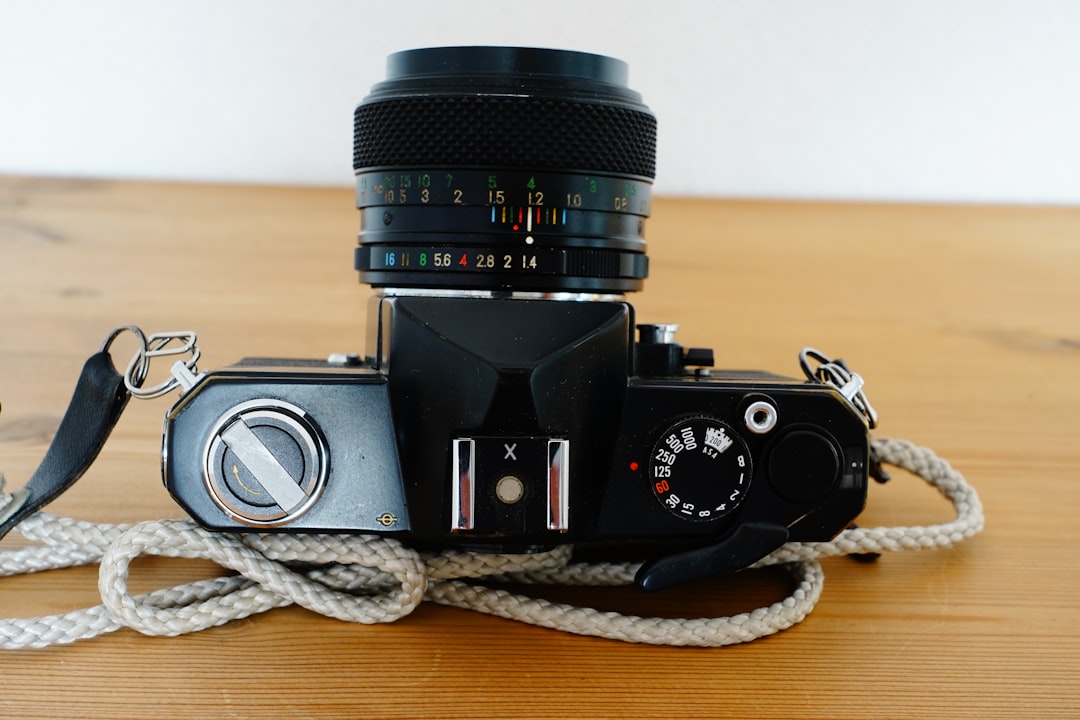
Once you’ve gotten the hang of your standard zoom, the next best addition is a prime lens with a wide aperture—something around f/1.8 or wider. These lenses are excellent for portraits, indoor settings, and artistic shots with shallow depth of field.
Recommended options:
- Sony 50mm f/1.8 (affordable and great for portraits)
- Fujifilm XF 35mm f/1.4 R (great bokeh and sharpness)
- Canon RF 50mm f/1.8 STM (compact, affordable, and sharp)
Prime lenses often force you to “zoom with your feet,” encouraging more thoughtful composition and technique. They’re also generally smaller and lighter than zoom lenses.
3. Telephoto Lens (Optional, But Useful)
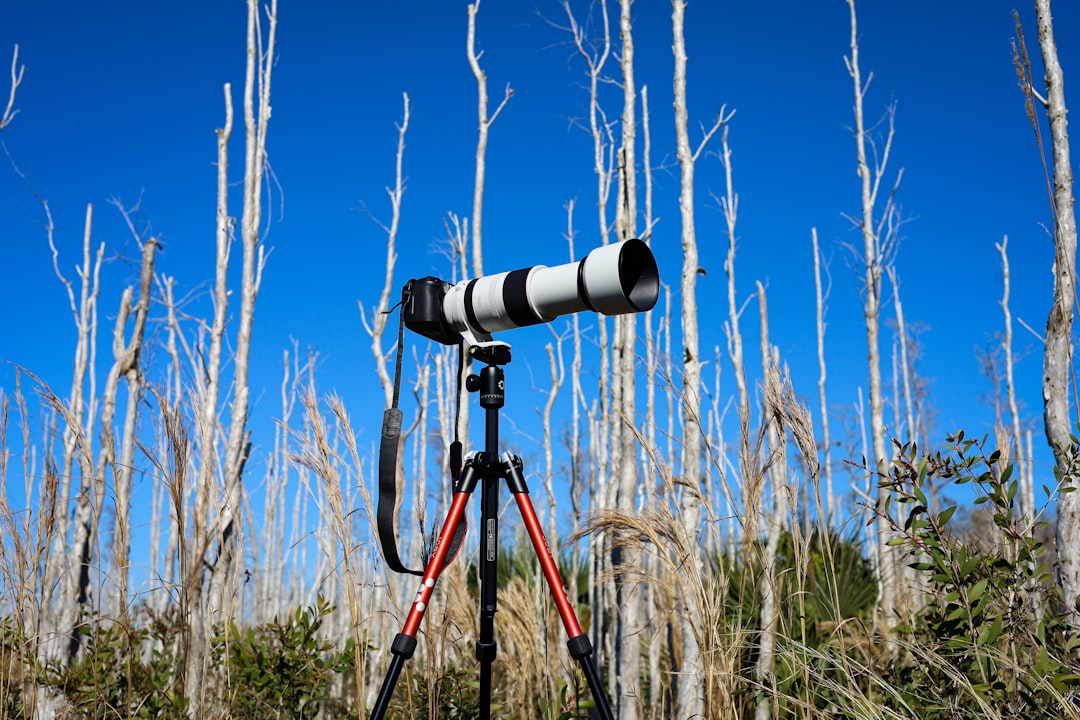
If you’re interested in wildlife, sports, or capturing far-off scenes, a basic telephoto zoom lens can be very rewarding. These lenses offer longer focal lengths—typically ranging from 55-200mm or more—allowing you to isolate subjects and compress backgrounds.
Top picks for telephoto lenses:
- Sony 55-210mm f/4.5-6.3 OSS
- Fujifilm XC 50-230mm f/4.5-6.7
- Canon RF 70-200mm f/4L IS USM (premium but compact)
Keep in mind, these tend to be larger and heavier, but they expand your creative options significantly, especially when complementing your standard zoom and prime.
Third-Party Lens Options
Don’t overlook third-party manufacturers. Brands like Sigma, Tamron, Samyang, and TTArtisan are producing excellent, budget-friendly mirrorless lenses. For example, the Sigma 30mm f/1.4 DC DN is a beloved choice among APS-C camera users for its sharpness and bright aperture, available in Sony E and Micro Four Thirds mounts.
Matching Lenses to Sensor Size
Mirrorless cameras can come in different sensor formats: Full Frame, APS-C, and Micro Four Thirds. The sensor size affects your lens’s effective focal length and depth of field. For example:
- APS-C sensor cameras have a crop factor (~1.5x), so a 35mm lens behaves like ~52mm in full-frame terms.
- Micro Four Thirds sensors double the focal length, making a 25mm lens act like a 50mm.
Always make sure you’re buying lenses designed for your camera’s sensor and mount. Mismatches may cause performance issues or not work at all.
Other Helpful Lens Features
As you browse lens options, consider the following features tailored for beginners:
- Optical Stabilization: Reduces camera shake, especially helpful on zoom lenses.
- Weather Sealing: If you shoot outdoors frequently, this can protect your gear.
- Autofocus Motor Type: Stepping motors (STM) or Linear motors (LM) provide faster and quieter autofocus, useful in both stills and video.
Tips for Building Your Kit Gradually
Lens acquisition doesn’t have to happen all at once. Here’s a sensible approach:
- Start with your kit lens: Master the basics and get a feel for your interests.
- Add a fast prime for portraits: Focus on composition and depth of field.
- Include a telephoto if you find the need: Explore new genres like bird or sports photography.
Focus on quality rather than quantity; a few good lenses can cover most use cases very effectively.
Budget Considerations
Camera gear can get expensive fast, but there are smart ways to save:
- Buy used: Platforms like KEH, B&H Used, and local camera shops offer quality checked used lenses with warranties.
- Look out for bundles: Some retailers offer kits that include lenses at a discount.
- Third-party lenses: As mentioned, brands like Sigma and Tamron offer high performance for less.
Conclusion
Your mirrorless camera is only as capable as the lenses you pair it with. Building the right lens starter kit doesn’t just open doors creatively—it also makes your shooting experience more enjoyable and professional. Start with a versatile zoom, add a prime, consider a telephoto, and you’ll be well-equipped to tackle just about any scenario.
Whether you’re exploring city streets, capturing candid portraits, or chasing light in a forest, a good lens set is your toolkit for storytelling. Focus on learning, experimenting, and most of all, having fun with your new gear!