
When you think about legislative systems, most people are familiar with the idea of a two-chamber legislature — think of the U.S. Congress with its House of Representatives and Senate. But not all governments follow this model. In fact, some opt for a simpler setup known as a unicameral legislature. This can have significant effects on how laws are made, decisions are debated, and how efficient a government ultimately becomes.
TL;DR
A unicameral legislature is a government system with just one legislative chamber. Proponents argue it’s faster, more cost-effective, and easier to hold lawmakers accountable. Countries and regions like Sweden, New Zealand, and Nebraska choose this model because it reduces bureaucracy and gridlock. While it lacks the traditional checks of a bicameral system, many see unicameralism as a streamlined path to govern with greater clarity and purpose.
What Does “Unicameral” Mean?
The word unicameral comes from Latin roots: “uni” meaning one, and “camera” meaning chamber or room. In political systems, it refers to having a single legislative or parliamentary body that creates, amends, and passes laws. This is in contrast to a bicameral system, which features two separate chambers, often with different constituencies or legislative powers.
In short, a unicameral legislature is a more streamlined form of governance that avoids the complexity of reconciling two legislative bodies. The concept may sound overly simplistic to those used to bicameral systems, but it has repeatedly proven to be a viable option in many efficient democracies.
Why Do Some Countries and Regions Choose Unicameralism?
To understand the appeal, we have to dive into the practical benefits of a single-chamber legislature. Here are several compelling reasons why regions skip the extra house — and sometimes save their sanity in the process:
- Efficiency: With just one body deliberating, laws can be passed more quickly without the delays caused by disagreements between two chambers.
- Cost Savings: Operating a second chamber means more salaries, staff, buildings, and resources — many of which are saved in a unicameral setup.
- Transparency: Fewer layers in the lawmaking process make legislation easier for the public to follow and scrutinize.
- Minority Representation: In some cases, regions find a unicameral system better supports proportional representation for minority groups.
- Reduced Gridlock: One chamber means fewer chances for bills to be stalled or killed due to partisan turf wars between houses.

Who’s Doing It? Real Examples of Unicameral Legislatures
If you’re wondering whether unicameral systems are obscure anomalies, you’d be surprised. Many nations — and even a U.S. state — have adopted this legislative model.
1. Nebraska (United States)
Nebraska is the only U.S. state to adopt a unicameral legislature, choosing the model in 1937. The decision was largely driven by a desire to eliminate inefficiencies and partisanship. Nebraska’s legislature is also officially nonpartisan, a rarity in American politics. In practice, the system has proven to be cost-effective and relatively swift in processing legislation. Citizens are also more directly connected with their representatives thanks to the simplified structure.
2. New Zealand
In 1951, New Zealand abolished its upper chamber, making its Parliament unicameral. Critics originally feared that removing the check-and-balance mechanism would lead to power abuses. However, with strong democratic institutions and an effective proportional representation voting system, New Zealand continues to be a model of stability and resilience. Their unicameral Parliament is widely viewed as efficient and responsive to public needs.
3. Sweden
Sweden operated under a bicameral legislature until 1970, when reforms led to a unicameral Riksdag. The motivation was to modernize the legislative process and enhance accountability. Since then, Sweden has consistently ranked among the world’s most effective democratic countries, proving that a unicameral system can work brilliantly with the right support structures and civic understanding.
4. Other Nations
Besides these well-known examples, countries like Denmark, Slovakia, Hungary, and Sri Lanka also operate unicamerally. These nations generally cite improved agility, cost-effectiveness, and public clarity as reasons for adopting a single-house system.
Where Bicameralism Falls Short
Bicameral legislatures are often seen as offering a valuable system of checks and balances. However, critics argue that the model can also introduce inefficiencies, duplication, and even obstructionism. Here’s where bicameralism tends to struggle:
- Legislative Gridlock: Laws have to pass not one, but two houses, which can slow progress and even halt legislation altogether.
- Redundancy: Both chambers may perform similar roles, leading to overlap and confusion rather than enhanced oversight.
- Political Turf Wars: Especially in polarized environments, bicameral setups can foster inter-house rivalries that put politics before policy.
- Voter Disconnect: With two layers of representative bodies, it’s not always clear to voters who is responsible for what.
This growing frustration with bureaucracy and inefficiency is partly why some governments choose to skip the “extra house” altogether.
Arguments Against Unicameral Legislatures
Of course, no system is perfect. Critics of unicameralism warn that concentrating power in one house can be dangerous without other checks in place. Here are some common concerns:
- Lack of Oversight: With no second chamber to review legislation, bad or hasty laws may go unchallenged.
- Majority Domination: A strong majority party can pass controversial laws more easily without the moderating influence of a second chamber.
- Fewer Expert Reviews: Bicameral systems can assign different functions to each chamber, with one focusing more on details or specific constituencies.
That said, these issues can be offset through other institutional checks — including strong judicial review, independent committees, and citizen participation.
Who Should Consider Going Unicameral?
Not every region or country is suited to a unicameral system. But the following types of governments might benefit:
- Small to Medium Populations: Fewer people to represent often means simpler legislative needs.
- New Democracies: Starting fresh can allow new governments to avoid the historical baggage of two-house systems.
- Low Budget Governments: Operating a single chamber saves significant taxpayer money.
- Regions Seeking Reform: Those tired of legislative stagnation may find unicameralism a bold and refreshing choice.
Conclusion: Simpler Doesn’t Mean Weaker
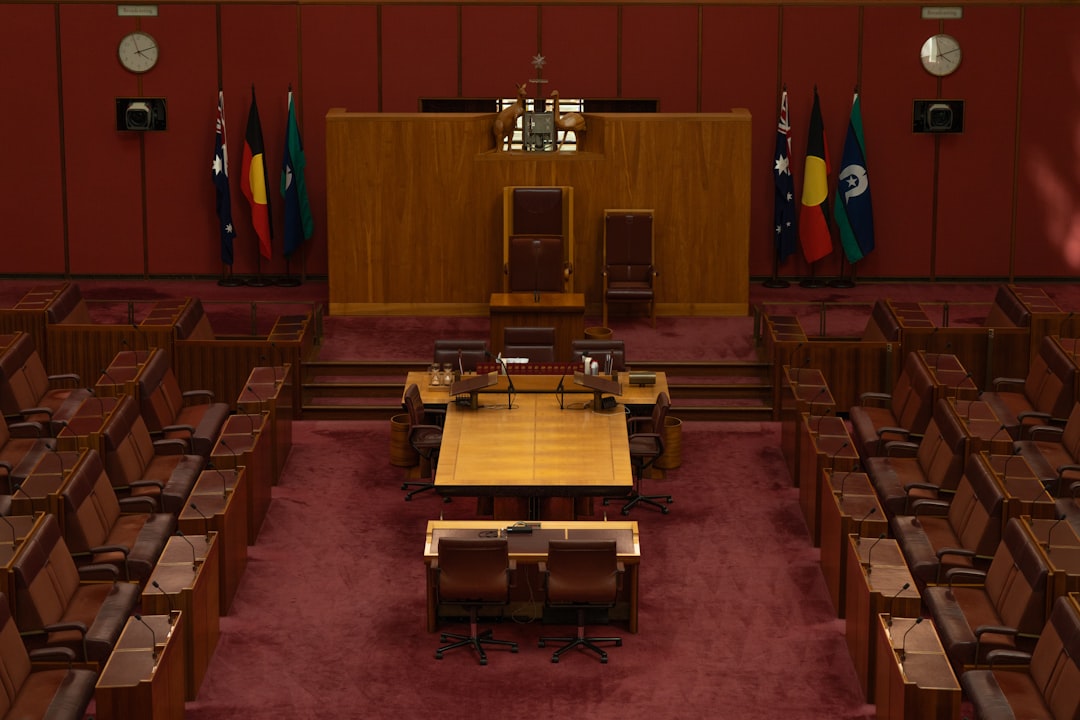
The beauty of a unicameral legislature lies in its simplicity — but that simplicity doesn’t make it any less capable. In fact, as shown in countries like Sweden, New Zealand, and Slovakia, it can enhance democratic transparency, agility, and accountability. At a time when many systems are bogged down by indecision and political posturing, the idea of a single, focused legislative body is beginning to look less like a radical exception and more like a smart alternative.
While it’s not a one-size-fits-all solution, skipping the extra house may just be the breath of sanity some governments are looking for. The next time you see a government struggling to pass basic legislation, you might just wonder: Do they really need that second chamber?