
The iPhone has long been a symbol of technological advancement and sleek design. When Apple launched the iPhone 4 and the iPhone 6, they were not only milestones in terms of hardware and software but also exemplars of how design philosophies can shift dramatically over a few generations. This article explores how the design of the iPhone evolved between the iconic iPhone 4 and the larger, smoother iPhone 6.
TL;DR – iPhone 4 vs iPhone 6: What’s Changed?
The iPhone 4 introduced a boxy, elegant glass-and-steel aesthetic considered revolutionary in 2010, while the iPhone 6 marked a transition to a sleeker, more ergonomic aluminum design with a larger display. Apple moved from sharp edges and compact screens to rounded edges and expansive displays. Internally, the devices also differ vastly in performance and functionality, but this article primarily focuses on their physical differences. The shift reflects Apple’s evolving interpretation of both style and user comfort.
Design Philosophy: Then and Now
The iPhone 4, released in 2010, was described by Apple’s former CEO Steve Jobs as “beautiful, old Leica camera meets the future.” Its solid feel, sharp edges, and stainless steel band made it stand apart from the plasticky smartphones of its era. On the other hand, the iPhone 6, released in 2014, represented a dramatic overhaul — favoring curvature and thinness over the sturdy, industrial look of its predecessor.
Visual and Material Differences
The most striking contrast between the iPhone 4 and iPhone 6 lies in their build materials and structure.
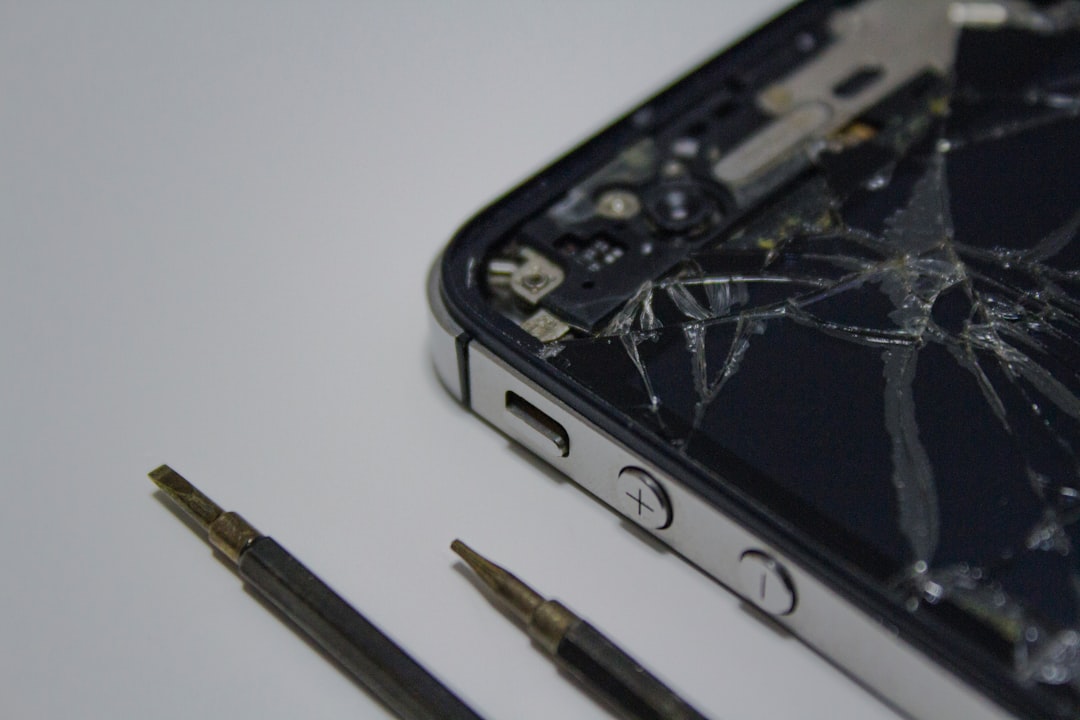
- iPhone 4: Featured flat glass panels on both front and back, encased in a stainless steel frame. The materials gave it a premium but fragile finish.
- iPhone 6: Adopted an all-aluminum unibody with curved edges and corners that were smoother to the touch, making the phone easier to grip.
The shift from glass to aluminum helped Apple resolve durability complaints and allowed for a more lightweight structure without compromising on aesthetics.
Size and Screen Evolution
Another fundamental design shift came in the form of display size:
- iPhone 4: Had a 3.5-inch screen with a resolution of 960 x 640 pixels. It introduced Retina Display, offering unprecedented clarity and sharpness for its size.
- iPhone 6: Increased the screen size to a generous 4.7 inches with a 1334 x 750 pixel resolution, making media consumption more immersive.
This change wasn’t just about bigger displays — it marked Apple’s recognition of the growing demand for phones that could serve as entertainment and productivity devices.
The Ergonomics Debate
One area where users often divided their opinions was over comfort and ergonomics. With the iPhone 4, the straight edges could dig into the palm, though many found it easier to grip. Its compact size meant easier one-handed use, a selling point for those not keen on the “phablet” trend that was taking shape.
Conversely, the iPhone 6’s curved edges made it more comfortable in hand, but also more slippery. The phone’s thinness (6.9 mm vs. the iPhone 4’s 9.3 mm) contributed to its aesthetic appeal, even if it occasionally came at the expense of practicality. It was around this time that “bendgate” entered the tech lexicon, referring to reports of the iPhone 6 bending under pressure due to its slim aluminum body.

Button Placement and Functionality
Button placement evolved along with the form factor. The iPhone 4 had its power button on the top, and the volume buttons were circular, separated by a mute switch. By the time of the iPhone 6, the power button had been moved to the side — a necessary adjustment due to the taller device profile — and the volume buttons became oblong, sitting flush with the frame.
These subtle changes speak to how ergonomics and usability became increasingly important in Apple’s design decisions.
Aesthetic Identity and Brand Language
The design language of the iPhone 4 has been praised for its precision and symmetry. It looked like a piece of high-end machinery, with symmetrical bezels and a distinct visual weight. The iPhone 6, meanwhile, looked more futuristic and was part of a wave of minimalist devices with subdued lines and integrated antennas.
Antennas, in fact, had been a heated design element in the iPhone 4 era. The stainless steel frame doubled as an antenna system — a decision that led to the infamous “antennagate” controversy, where holding the phone in certain ways degraded signal reception. Apple learned from this mishap, redesigning the antenna layout entirely in the iPhone 6 and disguising the lines with antenna bands.
Technological Design Side Notes
Design evolution wasn’t just skin-deep. Consider features like:
- Camera Design: The iPhone 4’s camera sat flush with the back, whereas the iPhone 6’s camera protruded slightly, a change Apple made to accommodate a more advanced lens system while keeping the device thin.
- Speakers and Ports: The iPhone 4 had a 30-pin dock connector and circular speaker grilles. The iPhone 6 switched to the smaller Lightning connector and had a redesigned speaker setup that delivered louder, clearer audio.

Consumer Response and Legacy
At launch, both devices received critical acclaim, but the design transformation did polarize some users. Diehard fans of the iPhone 4 cited its solid build and iconic appearance. The iPhone 6, though, was better received by the masses, especially in an era where larger screens were becoming the norm.
The iPhone 4’s aesthetic still holds a nostalgic place in many hearts, and some fans even applauded the iPhone 12’s return to flat edges as a spiritual successor. Meanwhile, the iPhone 6’s smooth form set the groundwork for future generations, including the iPhone 7 and 8, which retained a similar silhouette.
Conclusion: From Rigid to Refined
In summary, the design evolution from the iPhone 4 to the iPhone 6 reflects a broader shift in Apple’s philosophy — from emphasizing sharp, minimalist design toward prioritizing user comfort, larger screens, and smoother profiles. Both designs serve as timestamped milestones in the iPhone’s rich history, each catering to the aesthetics and functional preferences of their respective eras.
Whether you appreciate the industrial precision of the iPhone 4 or the ergonomic elegance of the iPhone 6, one thing is clear: Apple’s design language, while ever-evolving, continues to be rooted in simplicity, usability, and visual appeal.