In today’s rapidly evolving artificial intelligence (AI) landscape, large language models (LLMs) have become pivotal in processing and generating human-like text. However, training and optimizing these models for real-world use isn’t just about scaling bigger—it’s about making them smarter, faster, and more resource-efficient. As organizations strive to improve the transparency and performance of AI systems, a new niche has emerged: visibility into LLM optimization. This visibility sector empowers developers and enterprises with clearer insights into how their models operate, where inefficiencies lie, and how to improve them for ethical and effective deployment.
TLDR
The AI visibility sector is increasingly vital in enhancing the performance, transparency, and fairness of large language models (LLMs). This article explores top optimizers such as MosaicML, Weights & Biases, and DeepSpeed that specialize in tuning and monitoring LLM performance. With rising concerns over AI’s social impact and cost efficiency, these optimizers help strike a balance between power and control. The article also includes a helpful FAQ for quick guidance on choosing and understanding LLM optimizers.
Understanding the LLM Visibility Sector
Before diving into the leading tools and platforms, it’s important to define what AI visibility in the context of LLMs actually means. AI visibility refers to the ability to monitor, interpret, and optimize the behavior and resource usage of large language models. It encompasses:
- Training performance analysis
- Inference latency and throughput tracking
- Model interpretability and fairness assessment
- Resource utilization and cost optimization
With these goals in sight, LLM optimizers help bring transparency and efficacy into model development pipelines—especially for enterprises and advanced AI research teams.
Top LLM Optimizers Empowering the AI Visibility Sector
1. MosaicML
MosaicML has rapidly gained recognition as a powerful platform focused on training efficiency. With its own MPT (MosaicML Pretrained Transformers) series of models, MosaicML delivers both pretrained models and tools to train custom LLMs in cost-effective ways.
MosaicML’s optimizer suite includes features like:
- Composability of model training: mix and match building blocks for optimization pipelines
- Memory and compute error monitoring for large-scale LLM training
- Built-in insights for model convergence, overfitting, and resource waste
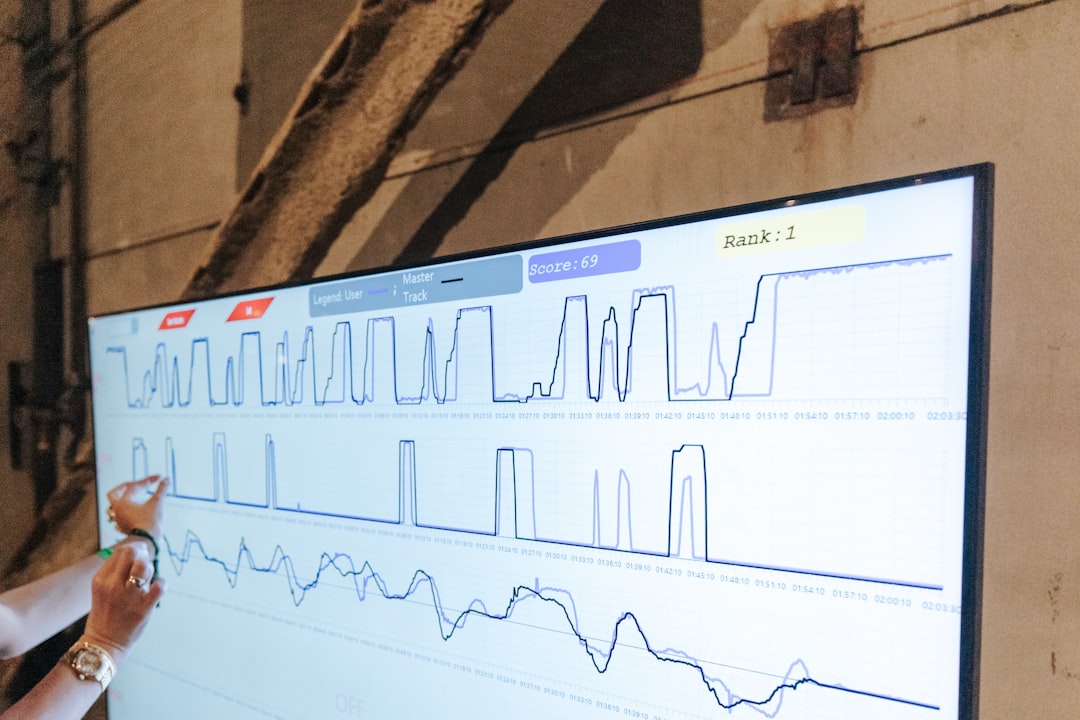
Another standout feature: MosaicML provides a training dashboard that delivers real-time metrics on GPU utilization, loss curves, and bandwidth usage—giving developers granular control during training cycles.
2. Weights & Biases (W&B)
Widely used by AI researchers, Weights & Biases is a model management platform that emphasizes experiment tracking and collaborative visualization tools. It’s a go-to platform when it comes to visibility into training progress, performance benchmarking, and reproducibility across model runs.
Features that position W&B as a leader in LLM optimization include:
- Training, validation, and testing metric visualization across time and model checkpoints
- Scalable solutions for enterprise workflows and permissioned team dashboards
- Integration with top AI frameworks like PyTorch, HuggingFace Transformers, and TensorFlow
Perhaps most importantly, W&B works well in multi-experiment conditions. This makes it invaluable for teams comparing the efficacy of multiple fine-tuning strategies on the same LLM architecture.
3. DeepSpeed (by Microsoft)
Developed by Microsoft, DeepSpeed is a deep learning optimization library that enables efficient training and inference of LLMs using techniques like ZeRO (Zero Redundancy Optimizer). It caters primarily to large-scale model applications where minimizing memory usage without sacrificing speed or accuracy is essential.
DeepSpeed’s contributions to LLM visibility are profound:
- System-level optimization insights via profiling tools for FLOPs, memory, and CPU bottlenecks
- Support for mixed-precision training and pipeline parallelism
- Clear reporting on distributed training inefficiencies and resource contention
Because DeepSpeed can support models with hundreds of billions of parameters, it is often used in frontier-scale LLM developments where visibility into performance and cost trade-offs becomes mission-critical.
4. Hugging Face Accelerate and Optimum
Hugging Face offers tools such as Accelerate and Optimum designed to improve LLM efficiency and visibility during development.
- Accelerate: abstracts the complexity of multi-GPU and mixed-precision training to help developers monitor model behavior across hardware.
- Optimum: focuses on inference optimization, supporting quantization and runtime acceleration with frameworks like ONNX Runtime and TensorRT.
Hugging Face’s visibility features include easy deployment tracking, an experiment comparison utility, and integration into an active open-source ecosystem. It helps democratize LLM optimization tools for smaller labs and individual researchers.

Why AI Visibility Will Remain Crucial
As AI regulations increase, and ethical expectations tighten, model transparency is no longer optional—it’s essential. With LLMs being applied in legal-tech, education, journalism, and healthcare, companies must prove not only accuracy but fairness and accountability in AI behavior.
LLM visibility tools help to:
- Detect and reduce unwanted model biases
- Prevent hallucinations and misleading outputs
- Enhance explainability for non-technical stakeholders
- Maintain model reliability over time
From an economic perspective, the ability to monitor and auto-tune costly GPU workloads can translate into millions saved annually, particularly in enterprises deploying models at scale.
Looking Ahead: The Future of LLM Optimization
Going forward, we’re likely to see tighter integrations between LLM visibility tools and MLOps environments. Expect intelligent recommendation systems based on model telemetry data, dynamic real-time routing of model queries for speed optimization, and integration into AI safety check frameworks.
Startups and cloud vendors are already racing to offer visibility-driven training solutions that bundle optimization, compliance, and cost reporting—offering not just better models, but smarter and safer AI infrastructure.
FAQ: LLM Optimizers & AI Visibility
-
What is an LLM optimizer?
An LLM optimizer is a tool or platform designed to improve the performance, efficiency, and transparency of large language models during training or inference. -
Why is visibility important in LLMs?
Visibility allows developers and researchers to analyze how models behave internally, improve resource allocation, reduce bias, and ensure alignment with real-world tasks. -
Which optimizer is best for training speed?
DeepSpeed is renowned for accelerating training speed and reducing memory consumption, making it ideal for large-scale models. -
Do I need coding skills to use these tools?
Most platforms require some level of programming experience, especially with Python and LLM frameworks like PyTorch or TensorFlow. However, tools like Weights & Biases offer user-friendly dashboards. -
Can small teams benefit from LLM visibility tools?
Absolutely. Platforms like Hugging Face make advanced optimization and monitoring accessible to small research labs and solo AI developers.