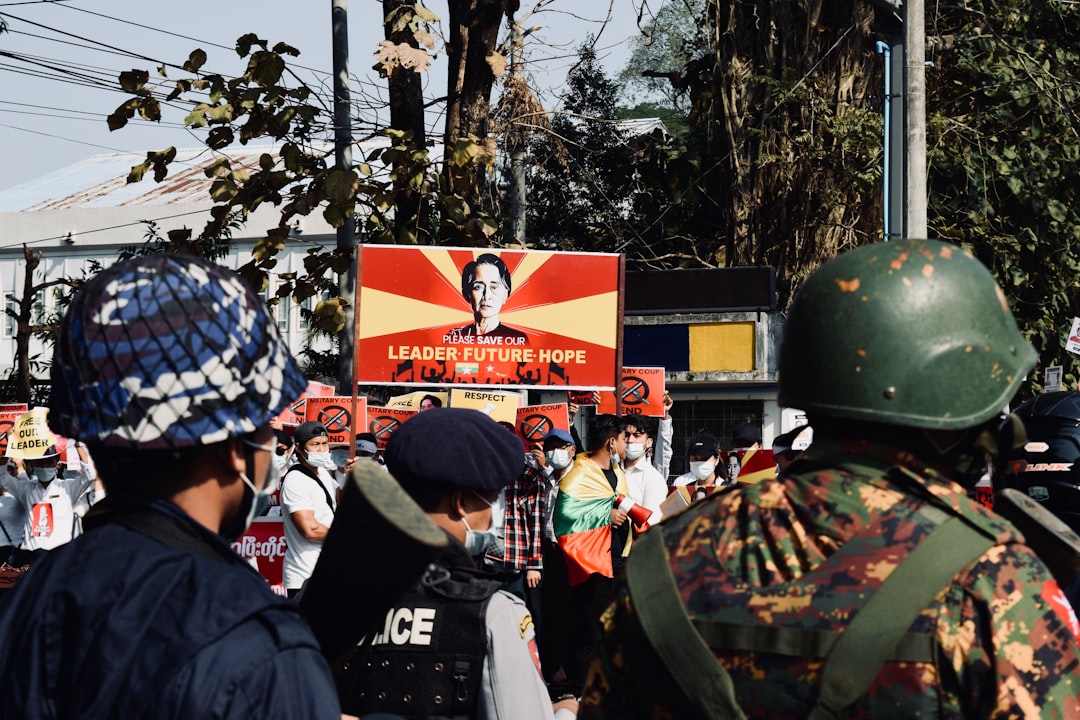
Throughout history, political ideologies have shaped societies and influenced global dynamics. Among the most controversial and devastating has been fascism—a radical authoritarian ideology that emerged in the early 20th century. The term fascisterne, derived from the original Italian “fascismo,” refers both to the adherents and the movements that embody fascist principles. Unpacking this complex ideology is essential to understand its historical origins, influence, and the threats it continues to pose to democratic institutions today.
TL;DR: Fascism is a far-right authoritarian ideology characterized by ultranationalism, a centralized autocratic government, and suppression of dissent. The term fascisterne refers to those who advocate or support these principles. Historically, fascism has led to war, genocide, and systemic oppression, notably during the regimes of Mussolini and Hitler. Understanding fascism’s core tenets and impact on society is crucial to recognizing and preventing its resurgence.
Origins and Definition of Fascism
The fascist ideology first gained prominence in post-World War I Italy through the leadership of Benito Mussolini. Disillusioned by liberal democracy and fearful of socialist movements, fascism offered an alternative rooted in intense nationalism, the glorification of the state, and the subordination of individual liberty to the will of a centralized power.
Fascism defies easy categorization but is generally recognized through several core principles:
- Authoritarianism: Concentration of power in the hands of a dictatorial leader.
- Ultranationalism: An aggressive emphasis on national pride and identity, often tied to race or ethnicity.
- Militarism: The belief in a strong military as a tool of national rejuvenation and control.
- Suppression of dissent: Censorship, propaganda, violence, and imprisonment used to silence opposition.
- Anti-Democracy: Opposition to democratic governance and pluralism.
The Rise of Fascisterne in Europe
Following the devastation of World War I, many European nations found themselves mired in political instability and economic despair. Fascist movements—led by charismatic and often ruthless figures—offered the promise of order, renewal, and national greatness. Fascism’s ascendancy in Europe during the 1920s and 1930s was marked most notably by:
- Italy under Mussolini: The first successful fascist government, established in 1922. Mussolini’s regime established a corporatist state that heavily controlled public and private life.
- Germany under Hitler: Adapting fascist principles to racial ideology, Hitler and the Nazi Party rose to power in 1933, leading to a genocidal regime responsible for the Holocaust and World War II.
- Spain under Franco: Francisco Franco led Spanish fascist forces in a civil war, subsequently establishing a military dictatorship lasting nearly four decades.
These regimes shared a common formula: elevate the leader as a savior, target scapegoats for national problems, dismantle democratic structures, and enforce conformity through fear and violence.

Key Characteristics and Techniques
Understanding fascisterne requires a close analysis of their methods of control and persuasion. Common tactics employed by fascist regimes to enforce ideological dominance include:
- Propaganda: Heavy use of state-controlled media to promote a unified narrative and exaggerate threats to the nation’s well-being.
- Surveillance and policing: Developing extensive informant networks and policing bodies to root out dissidents and dissenting thought.
- Myth-making: Constructing heroic national myths and glorifying a ‘pure’ ancestral heritage to rally support.
- Scapegoating: Blaming minorities or foreigners for economic and social problems to foster hostility and unity within the majority population.
These elements, combined with a rigid party structure, enable fascist regimes to cultivate an illusion of patriotic duty while dismantling civil liberties.
Impact on Society and Culture
The societal impact of fascism is catastrophic. From economic upheaval to cultural homogenization, fascisterne reshape societies around loyalty to the state and its leader. Some of the most damaging effects observed historically include:
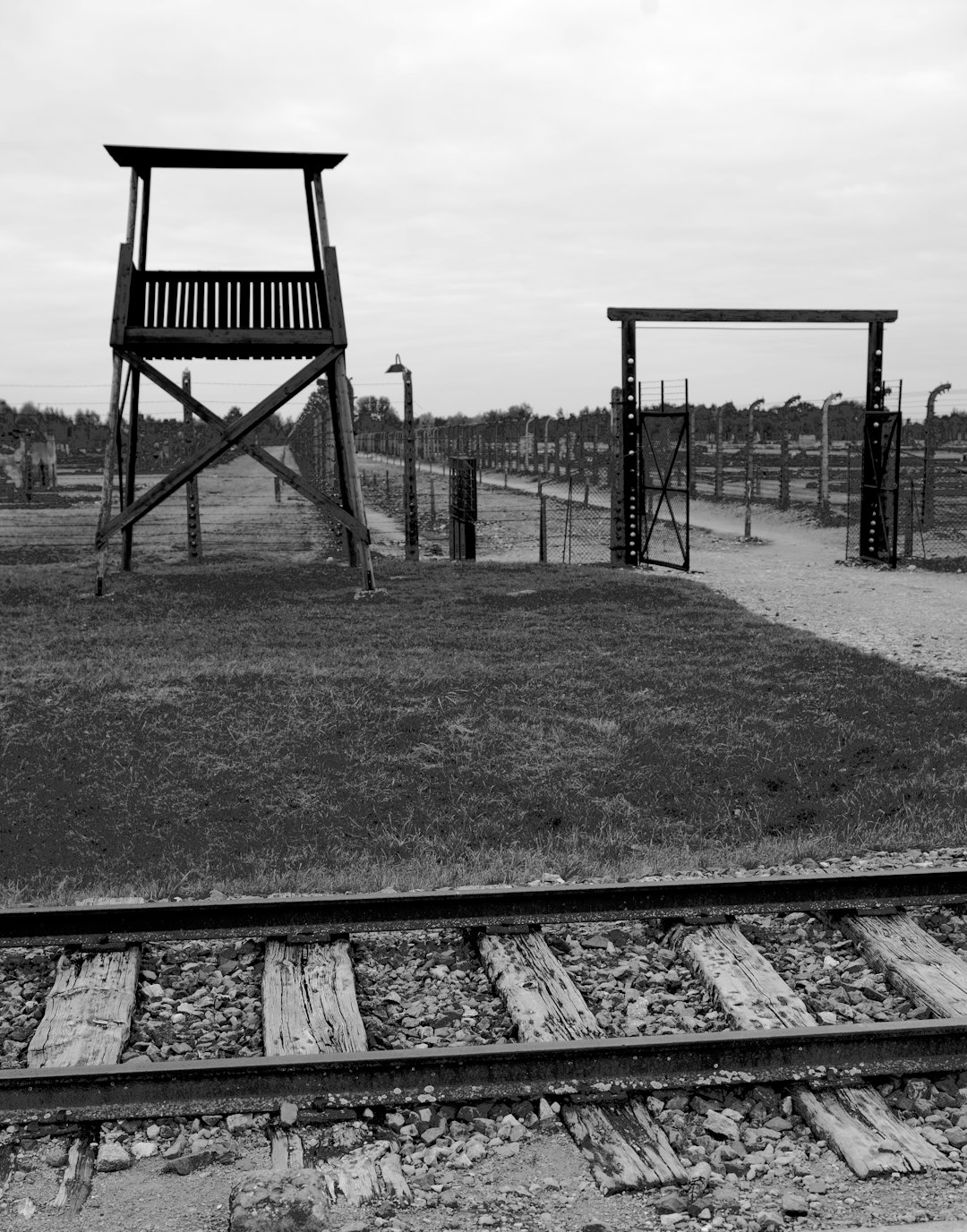
- Human Rights Violations: Mass incarcerations, torture, forced sterilizations, genocide (e.g., the Holocaust), and suppression of minorities.
- Economic Militarization: Shifting resources from civilian to military production, often stymieing innovation and creating unsustainable economies.
- Cultural Repression: Destruction of artistic freedom, persecution of writers and intellectuals, and imposition of state-sanctioned culture.
- Psychological Trauma: Generations raised in oppression experience collective trauma, fear of speaking out, and erosion of personal identity.
The world wars, and particularly World War II, were largely shaped by the aggressive expansionist aims of fascist regimes. The staggering loss of life and societal disruption that they caused continues to influence international relations and domestic policies to this day.
Fascism in the Contemporary World
Although traditional fascist states have largely disappeared, the ideology has not. Instead, modern variants have emerged, often rebranded with names like “alt-right,” “neo-fascism,” or “populist nationalism.” Such movements tend to preserve many classical fascist characteristics while adapting to contemporary social, media, and political environments.
Indicators of modern fascist ideology include:
- Exaggerated nationalistic rhetoric and identity politics.
- Attacks on the legitimacy of democratic institutions such as the judiciary and press.
- Demonization of immigrant and minority populations.
- Attempts to delegitimize and silence critics.
The resurgence of fascist rhetoric in political discourse has heightened concerns among scholars, journalists, and human rights organizations. They warn against the normalization of intolerant, anti-democratic practices that mirror those seen in pre-World War II Europe.
Responses and Resistance
Resisting fascism requires vigilance, education, and democratic resilience. Historically, fascist regimes have only been defeated through a combination of domestic resistance and international intervention. Today’s context demands more proactive and preventive measures, including:
- Education for Civic Understanding: Teaching the history and dangers of fascism in schools and universities.
- Robust Legal Institutions: Ensuring judiciary independence and rule of law to check authoritarian impulses.
- Free Press and Media Literacy: Supporting an independent media while educating citizens to critically evaluate information.
- Community Solidarity: Fostering inclusive societies that resist division and dehumanization.
Several global movements—from student activism to intergovernmental alliances—have formed around these principles, aiming to uphold democratic norms and prevent backsliding into authoritarian rule.
Conclusion: A Call for Awareness
Unpacking the ideology of fascisterne is more than an academic exercise. It is a moral and civic imperative. As history demonstrates, fascism thrives in conditions of fear, division, and disillusionment. Its legacy is etched in the ruins of cities, the testimonies of survivors, and the shattered institutions it sought to destroy.
To preserve the progress made by modern democratic societies, we must be equipped to recognize the signs of fascism—old and new—and collectively commit to the values of freedom, equality, and justice. The shadows of fascisterne remind us of what is at stake, and why our vigilance must never falter.