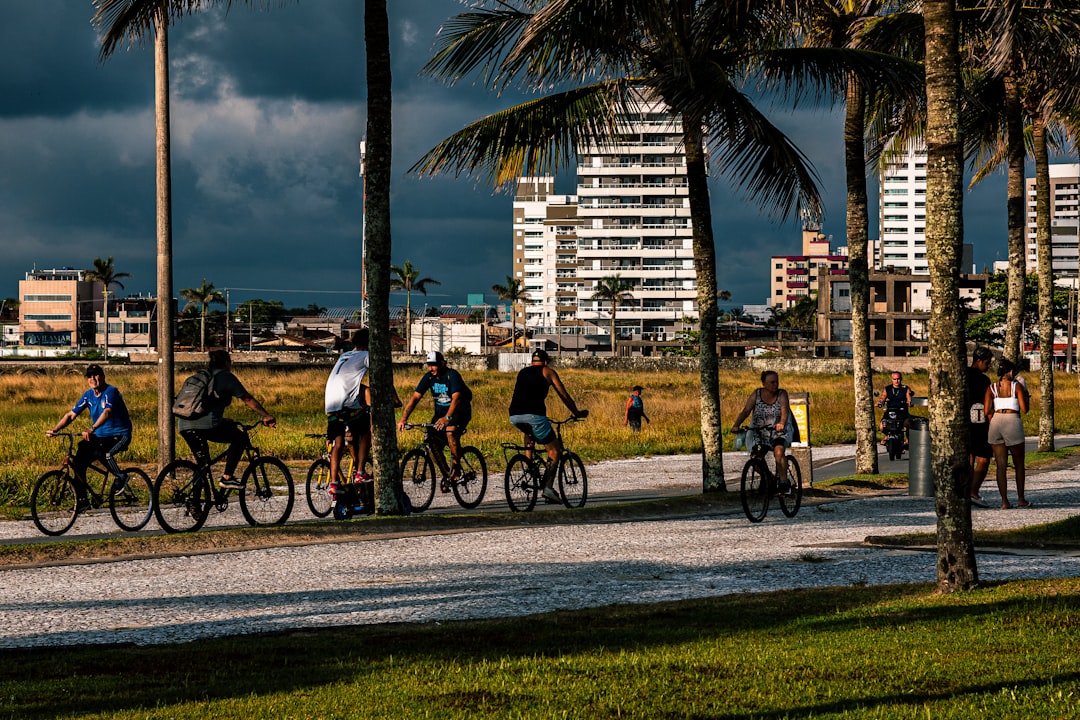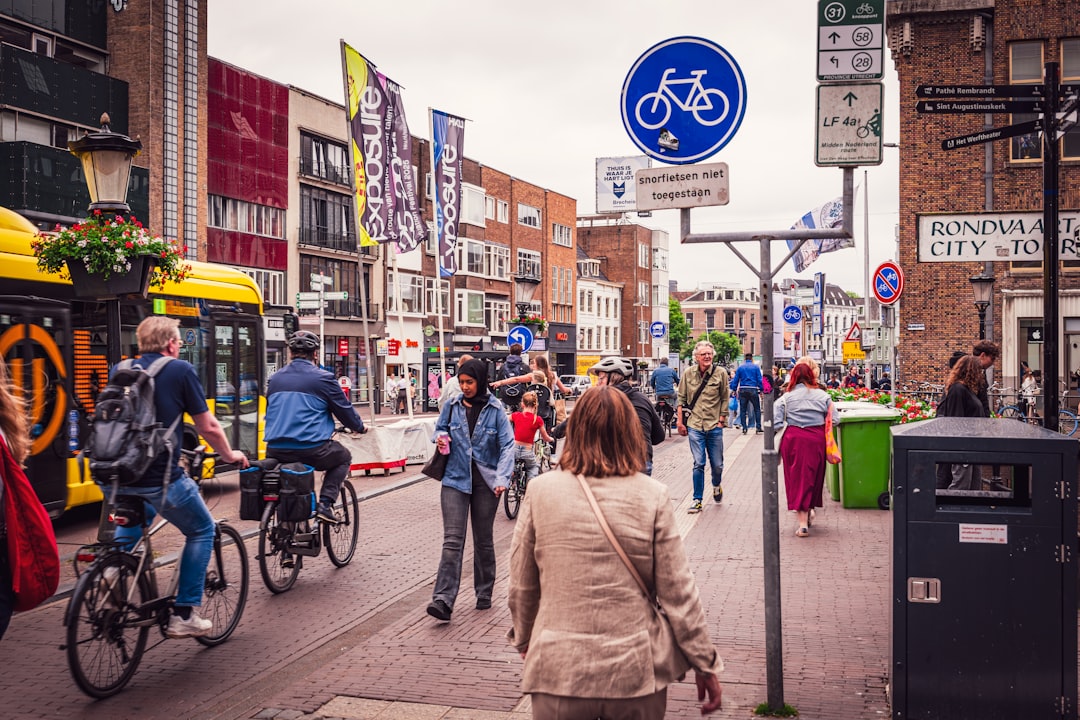
Imagine stepping outside your home and being greeted by tree-lined streets, bike paths, parks, and people happily walking their dogs. Doesn’t that sound like the kind of place you’d want to live? That’s the magic of urban design focused on public health and active lifestyles. It’s not just about buildings and roads — it’s about making cities healthier, happier places to live.
TLDR: Cities have a big impact on our health. By planning urban spaces that support walking, biking, green spaces, and clean air, we can promote physical and mental wellness. Designers should focus on things like sidewalks, public transport, and inviting outdoor areas. Healthy cities = healthier people.
Why Does Urban Design Matter for Health?
We spend most of our lives in cities. Where we live affects how much we move, what we eat, and even if we feel safe. Badly designed cities can lead to problems — like obesity, stress, and heart disease.
But a well-planned city can change all of that. It can help people stay active without even trying. How? By making healthy choices the easy choices.
Designing for Movement: The Power of Walkability
Walking is one of the easiest ways to stay healthy. You don’t need a gym membership — just a safe, pleasant place to stroll. That’s where walkability comes into play.
Great walkable cities usually have:
- Wide sidewalks with trees and lights
- Safe crossings at intersections
- Interesting things to look at (art, shops, parks)
- Public benches for resting
When people feel comfortable walking, they do it more. And it’s not just good for health — it also boosts local businesses and adds life to city streets.
Making Space for Bikers
Bike lanes may seem simple, but they’re life-changers. Biking is good for your heart, your mood, and even your wallet. But many people avoid it because of safety concerns.
Design projects can help by adding:
- Protected bike lanes that are separated from traffic
- Bike racks near shops and offices
- Bike-sharing programs to get more riders started
The more bike-friendly a city becomes, the more cyclists you’ll see. It’s like a healthy chain reaction.
Green Spaces Are Gold for Health
Have you ever taken a deep breath in a park and felt instantly calmer? That’s no coincidence. Green spaces are nature’s medicine for busy cities.
Public parks, gardens, and tree-filled boulevards do so much more than look good. They:
- Reduce stress and anxiety
- Provide space for walking, jogging, and yoga
- Cool down cities during hot months
Even small parks or rooftop gardens can give people the chance to connect with nature and their community.
Encouraging Active Transportation
Public health in cities doesn’t just depend on movement — it’s also linked to how people get around.
Urban design should make it easy to choose walking, biking, or public transport over driving. This helps reduce air pollution and traffic stress.
Key planning ideas include:
- Transit-oriented development — homes and businesses near bus or train lines
- Car-free streets in busy areas
- Pedestrian bridges or tunnels for safety and access
Less time sitting in traffic = more time being active and less air pollution.
Healthy Design = Safe Design
Feeling safe is key to going outside and being active. If streets are dark or poorly maintained, people will stay indoors — and inactive.
Smart planning means:
- Good lighting at night
- Visible signs and clear paths
- Community watch features like neighborhood kiosks or cameras
When people feel secure, they’re more likely to walk, bike, or play in public spaces. That’s a big win for public health.
Designing for All Ages and Abilities
A healthy city works for everyone — not just young athletes. That means thinking about:
- Ramps and smooth pathways for wheelchairs and strollers
- Playgrounds for kids
- Benches and handrails for older adults
Designs that consider all ages and bodies make cities more inclusive and healthier for all.
Putting Community In the Driver’s Seat
Healthy urban design isn’t just made in a planner’s office. The best ideas come from the people who actually live in the neighborhood.
Community involvement is key. This means:
- Hosting local workshops to gather opinions
- Surveys or pop-up events to get feedback
- Listening to the voices of children, seniors, and underrepresented groups
When people help shape their environment, they take pride in it — and use it more often.
Let’s Talk About Food
Urban design can also help people eat better. Sounds surprising? Here’s how it works.
Design can promote healthy diets by:
- Adding community gardens where people grow vegetables
- Creating space for farmers’ markets
- Making grocery stores accessible by walking or transit
No more food deserts. It’s all about bringing healthy choices closer to where people live.
Real-Life Examples
Some cities are already rocking this health-first design model:
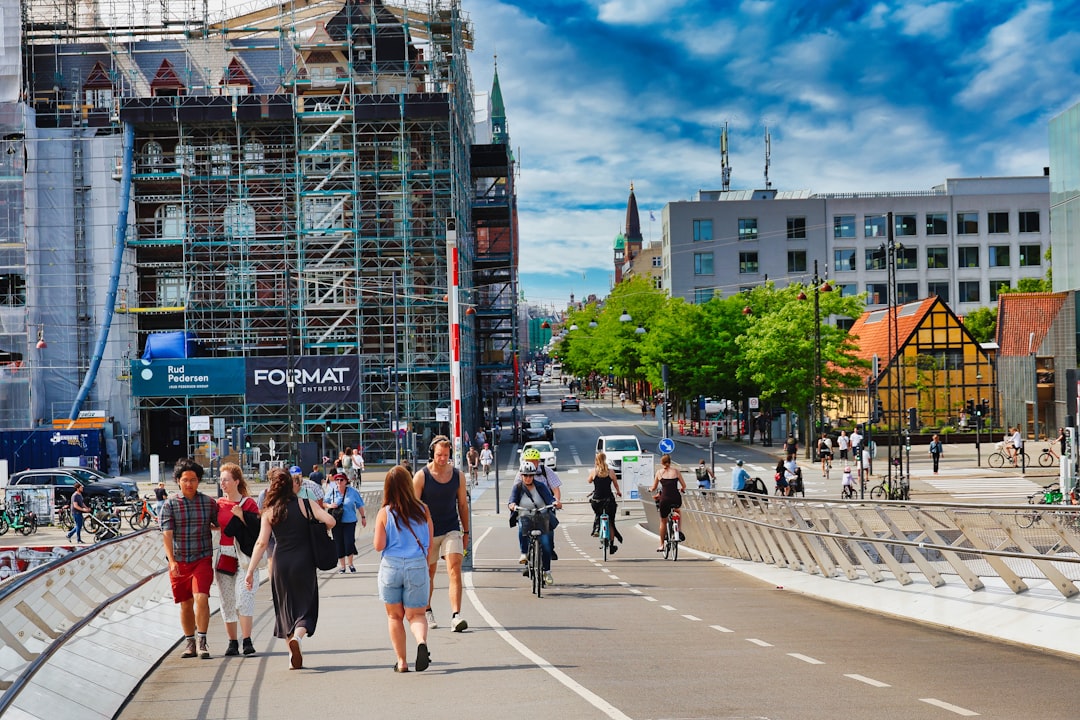
- Copenhagen — over half the city bikes to work!
- Melbourne — tons of green space and pedestrian lanes downtown
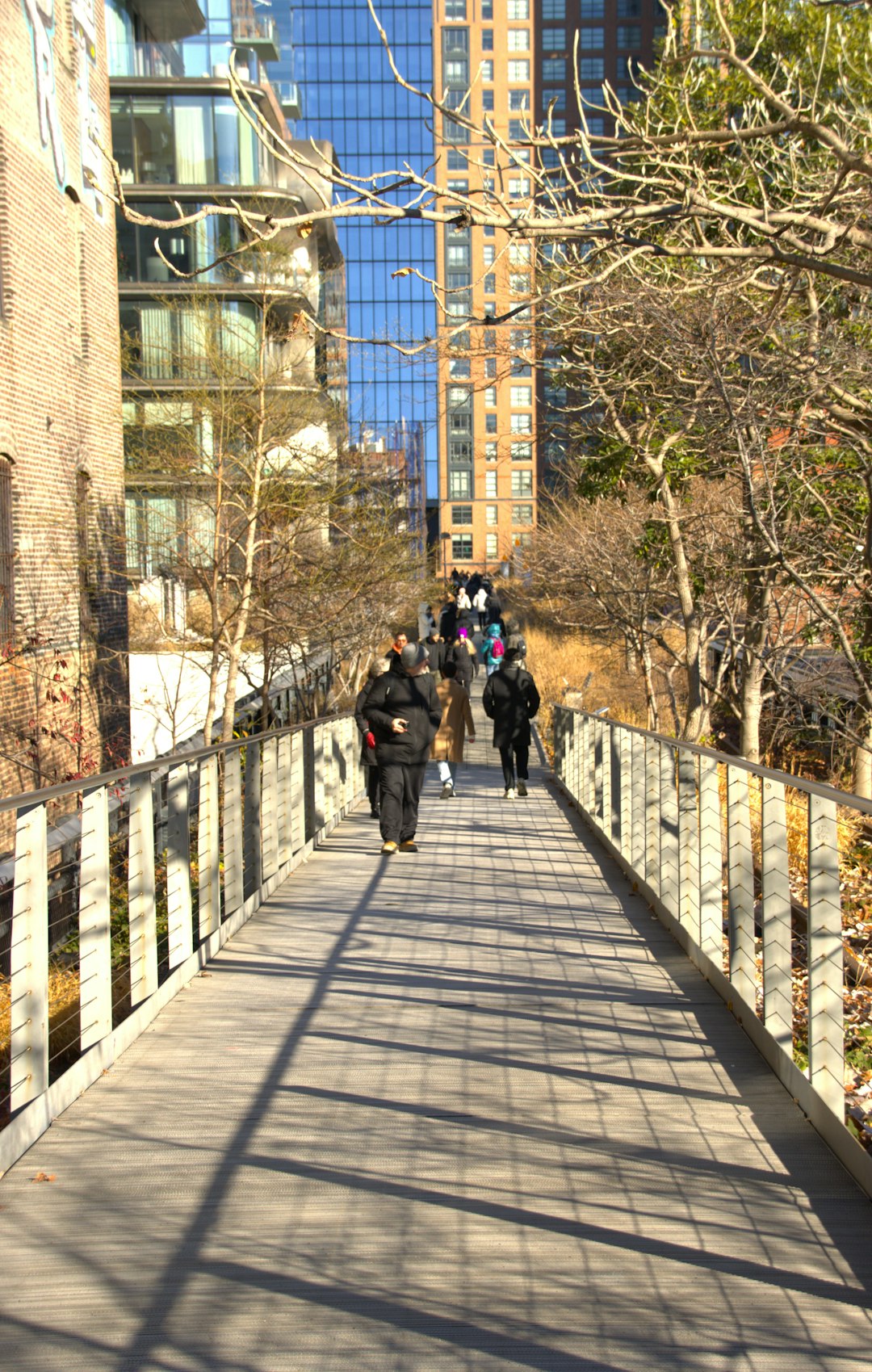
- New York City’s High Line — an old rail line turned into a walking park
These cities are proof that a healthier lifestyle can be built — one block at a time.
Why This Matters Now
Today’s cities are facing challenges: pollution, poor health, rising stress. We can’t just build more cars and screens. We have to build better places to live.
Urban design is a powerful tool. With the right choices, it can fight disease, support mental health, and build stronger communities.
Quick Checklist: Healthy Urban Design Ideas
- Build wide and safe sidewalks
- Add bike lanes and bike parking
- Plant trees and create parks
- Design public transport access
- Ensure lighting and safety features
- Include everyone — young, old, and in-between
- Involve local voices in planning
- Promote easy access to healthy food
Final Thoughts
Healthy cities don’t happen by accident. They’re created with intention, creativity, and care. Whether you’re a city official, a designer, or just someone who wants a better neighborhood, remember: your voice matters.
Planning cities for health is really planning for people. The more we plan for movement, nature, and connection, the better our cities — and our lives — will be.