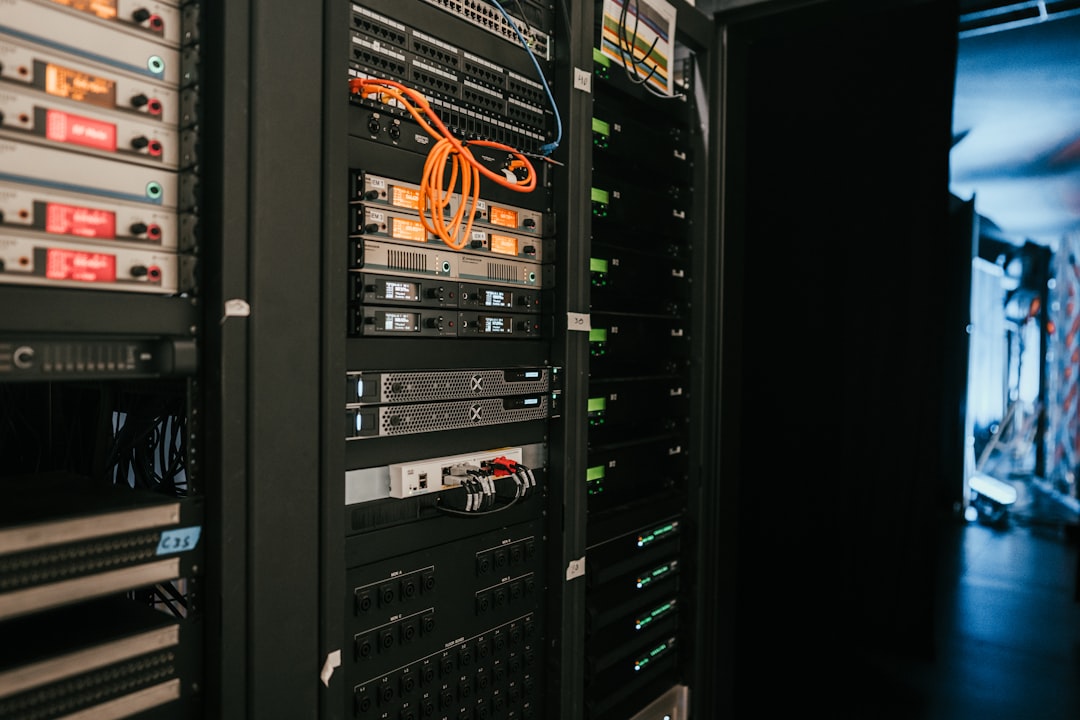
As digital systems become more complex and interconnected, organizations are turning to digital twins to better understand, manage, and optimize their technology infrastructure. A digital twin is a dynamic, virtual representation of a physical system that mirrors its real-time performance, behavior, and conditions. In tech infrastructure, this means creating live models of data centers, networks, servers, and even entire cloud ecosystems. These models allow teams to simulate scenarios, predict failures, and make data-driven decisions before implementing changes in the real world.
TL;DR: Digital twins are virtual replicas of physical tech infrastructure that enable real-time monitoring, simulation, and optimization. They are widely used in data centers, network management, cloud environments, smart buildings, and industrial IoT systems. By modeling real-world systems digitally, organizations can reduce downtime, improve efficiency, and enhance resilience. As infrastructure grows more complex, digital twins are becoming a critical tool for proactive management.
Below are five real-world use cases that demonstrate how digital twins are transforming modern tech infrastructure.
1. Data Center Optimization and Predictive Maintenance
Modern data centers are the backbone of digital services, hosting cloud applications, AI workloads, and enterprise systems. However, they are also highly complex environments where cooling systems, power supplies, networking equipment, and servers must operate in harmony.
A digital twin of a data center creates a real-time virtual representation of all these components. Sensors collect data on temperature, power consumption, humidity, airflow, and hardware performance. This data feeds into the digital model, allowing operators to visualize how the facility is functioning.
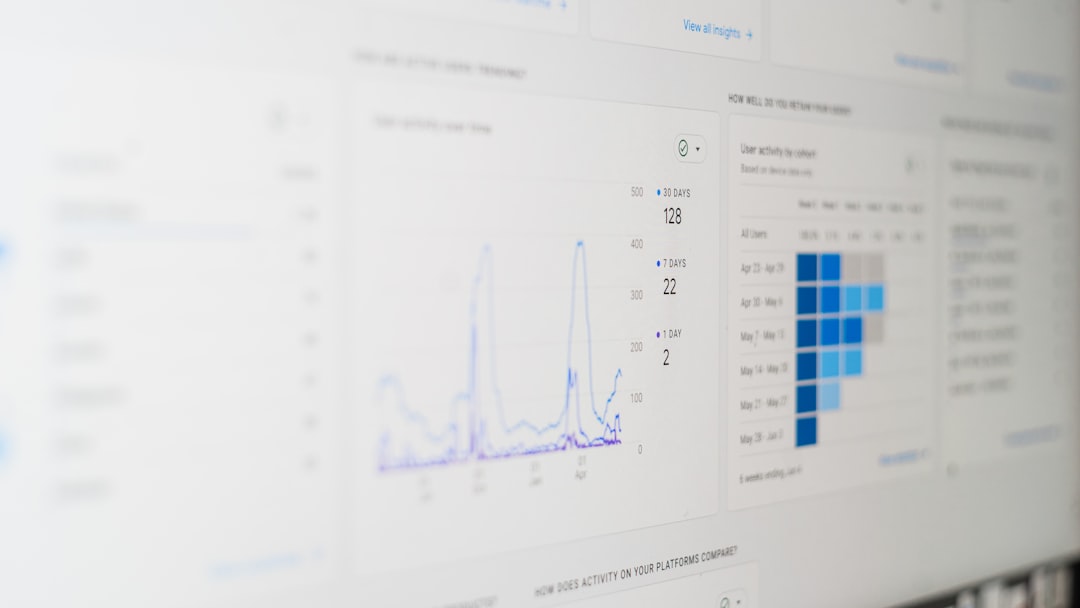
With this virtual environment, teams can:
- Predict hardware failures by analyzing trends in performance data.
- Optimize cooling systems by simulating airflow and thermal patterns.
- Reduce energy consumption through performance modeling and load balancing.
- Test infrastructure upgrades before implementing them physically.
For example, if a cooling system begins to underperform, the digital twin can identify abnormal temperature gradients before they result in server shutdowns. Instead of reacting to outages, operators use predictive maintenance strategies to prevent them entirely. This not only reduces downtime but also significantly lowers operational costs.
2. Network Performance Monitoring and Simulation
Enterprise networks have evolved into intricate systems that include on-premise hardware, cloud services, edge devices, and remote endpoints. Maintaining network reliability in such distributed environments is a constant challenge.
Digital twins of network infrastructure map routers, switches, firewalls, and traffic flows into a living virtual model. This provides visibility into network topology and real-time data transmission patterns.
Key benefits include:
- Traffic flow analysis to detect bottlenecks and latency issues.
- Failure impact simulation to evaluate how outages affect operations.
- Security testing through simulated attack scenarios.
- Capacity planning for scaling network resources.
For instance, before deploying a major software update that increases bandwidth consumption, IT teams can simulate the resulting traffic within the digital twin. If congestion appears likely, they can adjust routing policies or upgrade capacity beforehand.
This proactive approach is particularly valuable in industries like finance, healthcare, and telecommunications, where even milliseconds of latency or short outages can have significant consequences.
3. Cloud Infrastructure and Hybrid Environment Management
As organizations adopt hybrid and multi-cloud strategies, managing infrastructure across various providers becomes more complicated. Public clouds, private data centers, and edge computing nodes must operate cohesively.
A digital twin provides a unified virtual representation of these distributed environments. It aggregates performance metrics, usage patterns, and configuration data from different platforms into a centralized model.
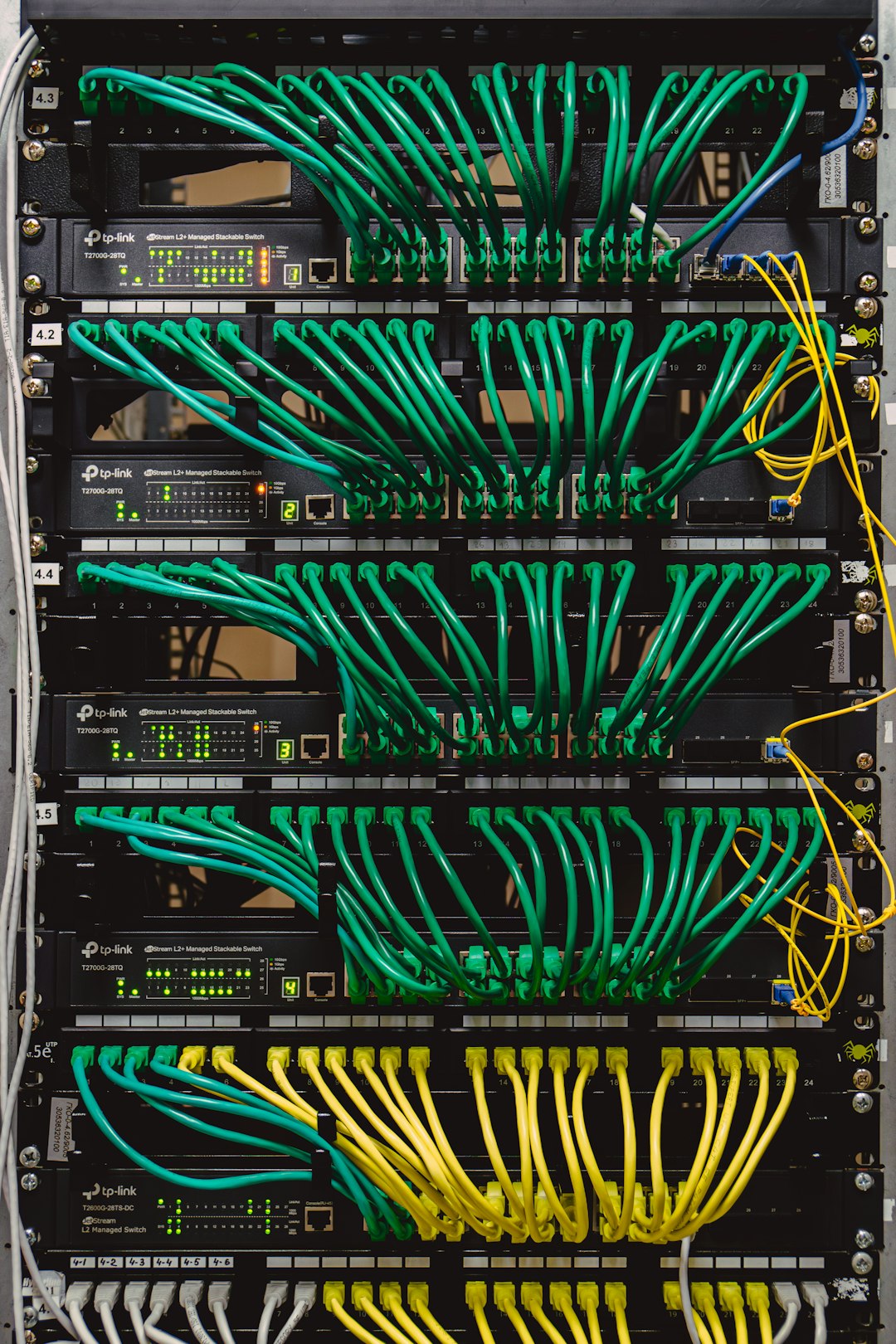
This unified perspective allows teams to:
- Model cost optimization strategies by analyzing workload placement.
- Test disaster recovery scenarios without interrupting production systems.
- Identify inefficient resource allocation across cloud environments.
- Improve compliance by monitoring data residency and security configurations.
For example, a company running workloads across multiple cloud providers can use its digital twin to simulate migrating specific services to a different region. The model can estimate latency changes, cost differences, and performance impacts before the company invests in structural changes.
This level of insight transforms cloud management from reactive troubleshooting into strategic planning.
4. Smart Buildings and Connected Infrastructure
Beyond traditional IT systems, digital twins are increasingly applied to smart building technology. Modern commercial buildings rely on interconnected systems for lighting, HVAC, security, and occupancy management.
A building’s digital twin integrates data from IoT devices, sensors, and management platforms to create a comprehensive representation of physical operations. This approach is especially relevant for technology hubs, campuses, and data center facilities where energy efficiency and uptime are critical.
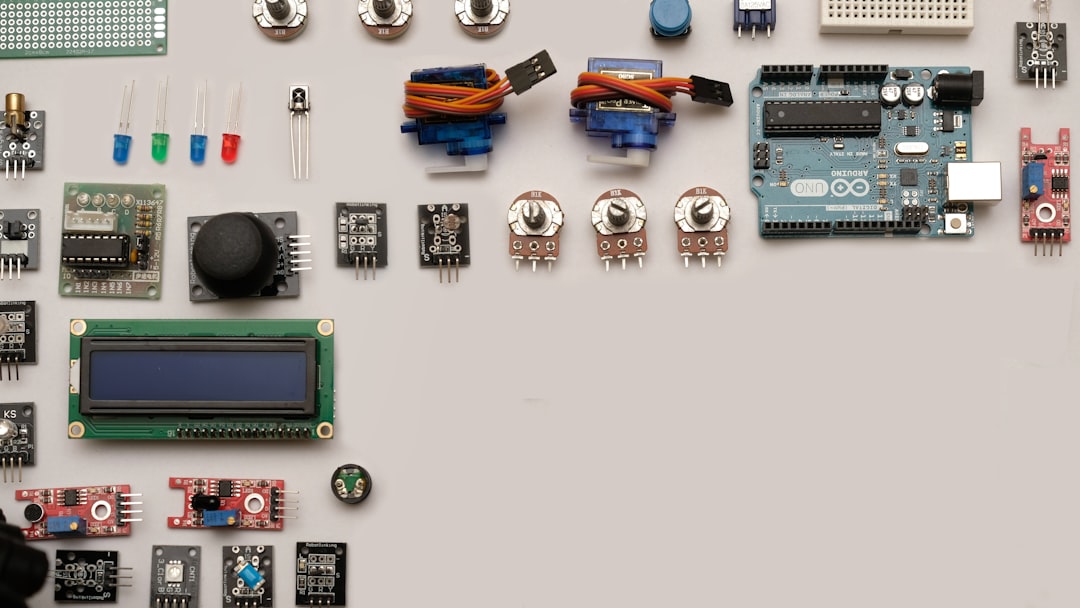
Organizations use building digital twins to:
- Optimize energy usage by balancing lighting and climate control.
- Improve occupant comfort through environmental adjustments.
- Enhance security systems via real-time monitoring simulations.
- Support sustainability goals by tracking emissions and resource consumption.
For example, if a conference area shows irregular occupancy patterns, the digital twin can recommend dynamic climate control adjustments. Over time, these automated optimizations contribute to significant energy savings and reduced carbon footprints.
Technology infrastructure embedded within buildings, such as server rooms and communication hubs, also benefits from integrated monitoring capabilities within the same digital twin framework.
5. Industrial IoT and Edge Computing Integration
In manufacturing plants, logistics hubs, and utilities infrastructure, Industrial IoT devices collect massive volumes of data from equipment and control systems. Edge computing processes this data locally to reduce latency and bandwidth usage.
Digital twins unify data from sensors, programmable logic controllers, and edge nodes into a cohesive virtual system. This model reflects how machines operate in real time and how they interact with broader IT infrastructure.
Practical applications include:
- Predictive maintenance for machinery and edge devices.
- Performance optimization through simulation of production workflows.
- Downtime minimization by detecting anomalies early.
- Remote diagnostics without physical inspections.
For instance, in a smart manufacturing facility, a digital twin can simulate how changes in conveyor belt speed impact downstream processing systems. If the simulation reveals stress on edge computing nodes, adjustments can be made before disruptions occur.
This integration of physical operations with digital infrastructure ensures higher reliability and more resilient production systems.
Why Digital Twins Are Becoming Essential
Across all five use cases, a common theme emerges: proactive infrastructure management. Traditional monitoring tools provide raw data and alerts after thresholds are crossed. Digital twins go further by modeling cause-and-effect relationships and enabling scenario testing.
As infrastructure ecosystems grow in size and complexity, human oversight alone is insufficient. Digital twins integrate artificial intelligence, machine learning, and advanced analytics to detect patterns that would be difficult to identify manually.
Organizations adopting digital twin technology often experience:
- Reduced downtime through predictive insights.
- Improved operational efficiency via optimization modeling.
- Enhanced resilience during failures or cyber incidents.
- Better strategic planning supported by data-driven simulations.
In an increasingly digital-first world, these benefits provide a competitive advantage that extends beyond simple cost savings.
Frequently Asked Questions (FAQ)
1. What is a digital twin in tech infrastructure?
A digital twin in tech infrastructure is a real-time virtual model of physical systems such as servers, networks, data centers, or cloud environments. It uses live data from sensors and monitoring tools to replicate performance, enabling simulation and analysis.
2. How is a digital twin different from traditional monitoring systems?
Traditional monitoring tools provide alerts and performance metrics. A digital twin goes further by creating a dynamic simulation of the system, allowing teams to test scenarios, predict failures, and optimize performance before making changes in the physical environment.
3. Are digital twins only used in large enterprises?
While large enterprises were early adopters, mid-sized companies increasingly use digital twins for cloud management, network optimization, and smart building applications. As technology becomes more accessible, adoption is expanding.
4. What technologies support digital twin implementation?
Key technologies include IoT sensors, cloud computing, artificial intelligence, machine learning analytics, edge computing, and advanced data visualization tools.
5. Can digital twins improve cybersecurity?
Yes. Digital twins can simulate cyberattack scenarios, test response strategies, and identify vulnerabilities in infrastructure. This proactive approach enhances defensive capabilities and incident preparedness.
6. What industries benefit most from digital twins in infrastructure?
Industries such as telecommunications, finance, healthcare, manufacturing, and energy benefit greatly due to their reliance on high-availability, complex digital systems.
As digital transformation continues, digital twins are poised to play an even greater role in shaping how organizations design, maintain, and evolve their technological ecosystems.