Online resale has transformed the way people shop and declutter, and few platforms have become as recognizable in this space as thredUP. Marketed as one of the largest online consignment and thrift stores, thredUP promises shoppers affordable brand-name clothing and offers sellers a way to turn gently used pieces into cash or credit. But how does it actually work—and more importantly, is it really worth it?
TLDR: thredUP is a large online resale platform where you can buy discounted secondhand clothing or sell your gently used items through a consignment model. It’s convenient and environmentally friendly, but payouts for sellers can be lower than expected. Buyers often find great deals on brands, though returns and quality can be hit or miss. Whether it’s worth it depends on whether you prioritize convenience, savings, or maximum profit.
What Is thredUP?
Founded in 2009, thredUP is an online consignment and thrift store that specializes primarily in women’s and kids’ clothing, though it has expanded into shoes, handbags, and accessories. The company operates as a middleman: sellers send their clothing to thredUP, the company processes and lists the items, and buyers browse and purchase through the website or app.
Unlike peer-to-peer resale platforms where you photograph, list, and ship items yourself, thredUP handles most of the heavy lifting. This makes it appealing to people who want to declutter without the hassle of managing listings.
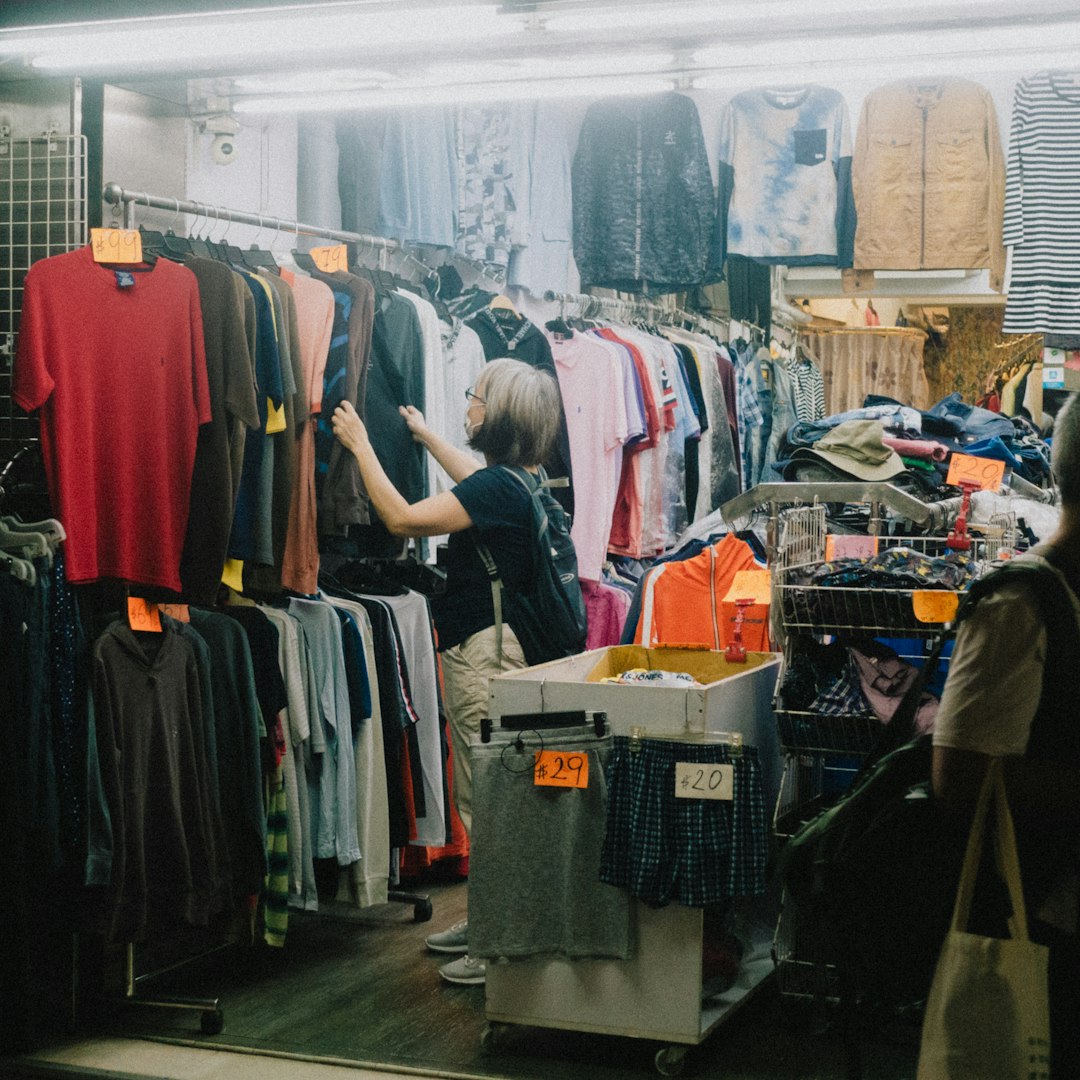
thredUP describes itself as a champion of the “circular fashion economy,” encouraging shoppers to extend the life cycle of clothing and reduce textile waste. With growing awareness about fast fashion’s environmental impact, that message has attracted a wide audience.
How thredUP Works for Buyers
Shopping on thredUP feels much like browsing a traditional e-commerce site. You can filter by:
- Brand (from everyday labels to designer names)
- Size
- Condition (new with tags, like new, gently used)
- Price
- Category (dresses, jeans, handbags, maternity, etc.)
Every item includes photos taken by thredUP, a condition description, and an estimated retail price used to highlight the discount you’re receiving.
Pros for Buyers
- Significant discounts compared to retail prices
- Access to mid-range and premium brands for less
- Frequent sales and coupon codes
- Environmentally friendly shopping option
Cons for Buyers
- Limited stock—items are usually one of a kind
- Inconsistent sizing (since pieces come from many brands)
- Some items may show more wear than expected
- Returns may involve restocking fees depending on the option chosen
For shoppers who enjoy the “treasure hunt” aspect of thrifting, thredUP can feel like a gold mine. However, it requires patience and careful attention to item descriptions and measurements.
How thredUP Works for Sellers
Selling on thredUP is quite different from selling on platforms like eBay or Poshmark. Instead of listing items yourself, you order a Clean Out Kit. You fill the bag with accepted brands and send it back to thredUP using the prepaid shipping label.
Once received, thredUP:
- Inspects the items.
- Selects eligible pieces.
- Prices and lists them for sale.
- Pays you a percentage if and when items sell.

Not all items are accepted. thredUP has brand and condition standards, and many fast-fashion or lower-value brands may not yield meaningful payouts.
Seller Payout Structure
thredUP operates on a tiered commission system. Generally:
- Lower-priced items earn smaller payouts (sometimes only a few dollars).
- Higher-value or designer pieces earn a larger percentage.
- Items that don’t meet resale standards may be recycled or donated.
This structure means that while you might earn decent money on premium brands, everyday mall brands often generate modest returns.
Pros for Sellers
- Extremely convenient
- No need to photograph, list, or ship items individually
- Sustainable alternative to throwing clothes away
Cons for Sellers
- Lower payouts compared to peer-to-peer platforms
- Limited control over pricing
- Processing times can take weeks
How Much Can You Actually Make?
The biggest question most potential sellers ask is: How much will I really earn?
The answer varies widely. For example:
- A basic T-shirt from a common brand might earn you under $5.
- A pair of premium denim could earn $10–$30.
- A sought-after designer handbag might generate significantly more.
However, compared to selling directly to buyers yourself, earnings are typically lower. The trade-off is convenience. If your primary goal is maximizing profit, thredUP may not be your best option. If your priority is clearing closet space with minimal effort, it becomes much more appealing.
Is thredUP Sustainable?
One of thredUP’s biggest selling points is sustainability. The fashion industry is one of the largest polluters globally, with massive textile waste generated each year. By extending the life of clothing, resale platforms help reduce:
- Landfill waste
- Demand for new clothing production
- Environmental strain from manufacturing

Buying secondhand instead of new is often a more sustainable choice, particularly for items like denim and synthetic fabrics that require significant resources to produce. While shipping and processing still generate emissions, resale is widely considered more eco-friendly than buying new fast fashion.
thredUP vs. Doing It Yourself
To determine whether thredUP is worth it, it helps to compare it with self-managed resale:
- Time investment: thredUP wins for convenience.
- Profit potential: DIY selling platforms usually win.
- Effort required: thredUP requires far less.
- Control over pricing: DIY gives full control.
If you enjoy negotiating with buyers, staging photos, and optimizing listings, selling independently may generate more income. If you dread that process, thredUP’s streamlined model removes the friction.
Common Complaints and Praise
No platform is perfect. Customer experiences with thredUP tend to fall into predictable categories.
Positive feedback often mentions:
- Great deals on high-quality brands
- Easy closet clean-outs
- Satisfaction with eco-friendly shopping
Negative feedback commonly highlights:
- Unexpectedly low payouts
- Processing delays
- Strict acceptance standards
As with many resale services, expectations play a big role in satisfaction. Sellers expecting large checks from average clothing may feel disappointed, while those simply happy to earn something (and avoid waste) tend to feel more positive.
Who Should Use thredUP?
thredUP may be worth it if you:
- Have name-brand or designer pieces in good condition
- Value convenience over maximizing every dollar
- Want an easy, eco-friendly way to declutter
- Enjoy browsing discounted brands online
It may not be ideal if you:
- Want top-dollar payouts
- Have mostly low-value fast-fashion brands
- Prefer full control over pricing and negotiation
So, Is thredUP Worth It?
The answer depends entirely on your goals.
For buyers, thredUP is often absolutely worth it. You can score impressive discounts on popular brands while making a more sustainable shopping choice. As long as you review item details carefully and understand the return policies, the platform offers strong value.
For sellers, it’s a trade-off between money and convenience. You likely won’t make as much as you would selling items individually. However, you also won’t spend hours managing listings or dealing with buyer messages. For many people, that convenience alone justifies the lower payout.
Ultimately, thredUP represents a growing shift in how we think about clothing ownership. Instead of clothes being disposable, they become part of a longer cycle—worn, resold, and worn again. If you’re looking for a low-effort way to participate in that cycle, thredUP can be a practical and worthwhile option.
In a world increasingly aware of waste, platforms like thredUP offer something appealing: the chance to save money, recoup some value, and reduce environmental impact all at once. Whether that balance works for you depends on what you value most—profit, convenience, sustainability, or the thrill of finding a great deal.