In today’s hyper-competitive app marketplace, launching a mobile app is only the beginning. The real success comes from understanding how users interact with your product and using that knowledge to make smarter decisions. That’s where mobile app analytics apps come in. These powerful tools transform raw user data into meaningful insights that guide product updates, marketing strategies, monetization efforts, and long-term growth.
TLDR: Mobile app analytics tools help you track user behavior, measure performance, and optimize your app for growth. From user acquisition metrics to churn prediction and in-app engagement tracking, these platforms provide actionable insights. Choosing the right analytics tool depends on your app’s size, goals, and technical requirements. The best solutions combine usability, deep reporting, and integration capabilities.
Instead of guessing what users want, businesses can rely on concrete data. Whether you’re trying to reduce churn, improve onboarding, increase in-app purchases, or refine your marketing campaigns, analytics tools give you the clarity you need to move forward confidently.
Why Mobile App Analytics Matter
Mobile app analytics go far beyond tracking downloads. They allow you to measure every meaningful interaction inside your app. With the right metrics, you can answer questions like:
- Where are users dropping off?
- Which features are most popular?
- Which marketing channels bring the highest-value users?
- What drives conversions and in-app purchases?
Without data-driven insights, decisions become speculative. With them, you can test hypotheses, validate improvements, and prioritize updates based on real impact.

Key Features to Look For in Analytics Apps
Not all analytics platforms are built the same. When choosing a mobile app analytics tool, you should look for the following capabilities:
- Real-Time Data Tracking: Monitor user actions as they happen.
- User Segmentation: Group users based on behavior, demographics, or lifecycle stage.
- Event Tracking: Measure specific in-app actions like button clicks, purchases, or sign-ups.
- Funnel Analysis: Identify where users abandon critical flows like onboarding or checkout.
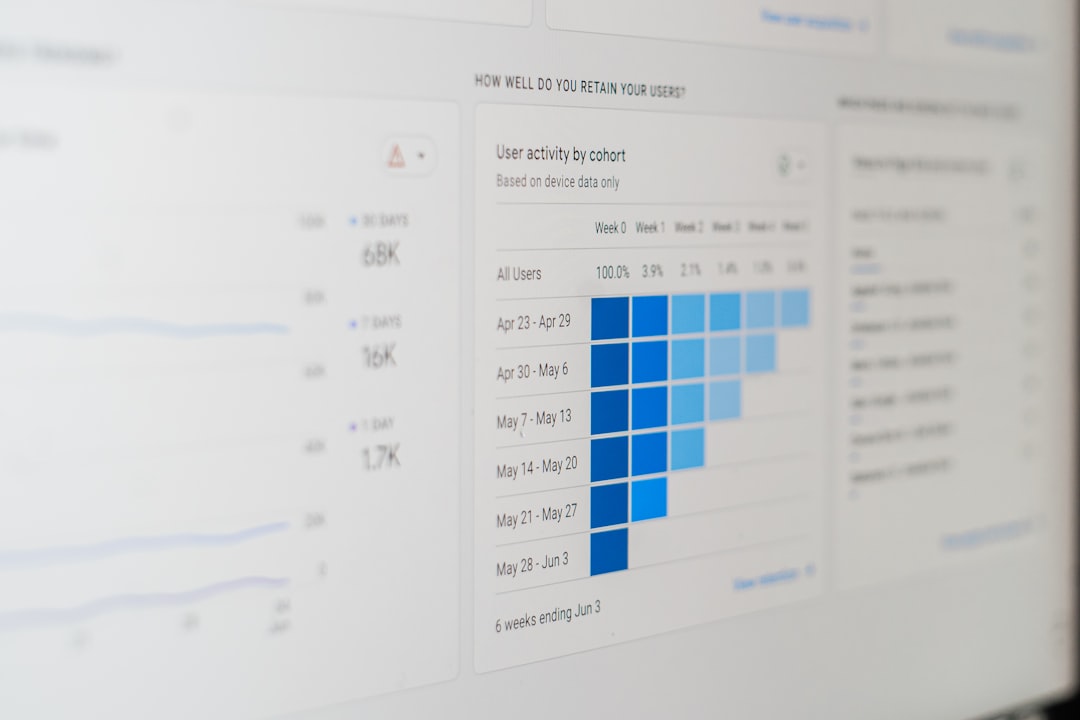
- Retention Analysis: Track user return rates over time.
- A/B Testing Integration: Experiment with design or feature changes to improve performance.
- Custom Reporting: Build dashboards tailored to your KPIs.
Choosing software with these features ensures your analytics go beyond surface-level metrics and truly inform strategic decisions.
Top Mobile App Analytics Tools
Here are some of the most popular and reliable mobile app analytics apps businesses use today:
1. Google Analytics for Firebase
Google Analytics for Firebase is a comprehensive and free solution designed specifically for mobile apps. It integrates seamlessly with other Google services and offers:
- Unlimited event reporting
- Audience segmentation
- Crash reporting
- Predictive analytics powered by machine learning
It’s ideal for startups and small-to-medium businesses looking for a scalable solution without upfront costs.
2. Mixpanel
Mixpanel focuses heavily on product analytics and deep behavioral tracking. It’s particularly strong when it comes to understanding user journeys and engagement.
- Advanced funnel analysis
- Detailed cohort retention tracking
- Powerful segmentation tools
- Custom dashboards and data visualizations
Mixpanel is well-suited for product teams that want granular insights into feature performance.
3. Amplitude
Amplitude provides enterprise-level product analytics with a strong emphasis on user behavior insights.
- Behavioral cohort analysis
- Predictive churn analysis
- End-to-end journey mapping
- Experiment tracking
It’s particularly valuable for scaling apps that need advanced data modeling and experimentation frameworks.
4. Adjust
Adjust specializes in mobile marketing analytics and attribution. It helps marketers understand where users come from and which campaigns deliver ROI.
- Ad campaign attribution
- Fraud prevention tools
- Lifecycle analytics
- Global marketing insights
If paid acquisition is central to your growth, Adjust is a strong contender.
5. Appsflyer
Appsflyer is another attribution-focused tool offering deep marketing insights. It supports cross-platform measurement and detailed campaign tracking.
- Multi-touch attribution
- Advanced fraud protection
- In-app event tracking
- Strong third-party integrations
It is widely used by marketing teams focused on optimizing ad spend.
Comparison Chart of Popular Mobile Analytics Tools
| Tool | Best For | Key Strength | Pricing Level | Advanced Segmentation |
|---|---|---|---|---|
| Google Analytics for Firebase | Startups, SMBs | Free, scalable, predictive insights | Free | Yes |
| Mixpanel | Product Teams | Deep event tracking | Medium | Yes |
| Amplitude | Enterprise Apps | Behavioral analytics | High | Advanced |
| Adjust | Marketing Teams | Attribution tracking | High | Limited |
| Appsflyer | Ad Optimization | Campaign attribution | High | Moderate |
Turning Data Into Actionable Insights
Collecting data is one thing. Acting on it is another. Successful mobile app companies follow a structured approach:
- Define Clear KPIs: Choose measurable goals such as daily active users (DAU), retention rate, or average revenue per user (ARPU).
- Monitor User Behavior Regularly: Identify trends and anomalies.
- Run Experiments: Use A/B testing to validate feature changes.
- Iterate Continuously: Optimize based on data rather than assumptions.
For example, if funnel analysis reveals that many users abandon the sign-up process, you might simplify the registration form. If retention drops after day three, you could introduce push notifications or gamification strategies to encourage engagement.

Common Metrics You Should Be Tracking
To make truly data-driven decisions, focus on these core metrics:
- Daily Active Users (DAU) and Monthly Active Users (MAU)
- Session Length and Frequency
- Retention Rate
- Churn Rate
- Customer Lifetime Value (CLV)
- Cost Per Acquisition (CPA)
- Conversion Rate
When analyzed together, these metrics give a comprehensive picture of your app’s health and growth potential.
How Analytics Improve Marketing Performance
Mobile app analytics are especially powerful for marketing optimization. Attribution tools such as Adjust and Appsflyer allow marketers to:
- Determine which channels deliver the highest-quality users
- Optimize advertising budgets
- Eliminate underperforming campaigns
- Detect fraudulent traffic
Instead of spreading your budget thin across platforms, analytics reveal where to double down. For instance, you may discover that social ads generate more installs, but search ads produce higher lifetime value customers. That knowledge changes your acquisition strategy significantly.
Improving Product Development with Behavioral Data
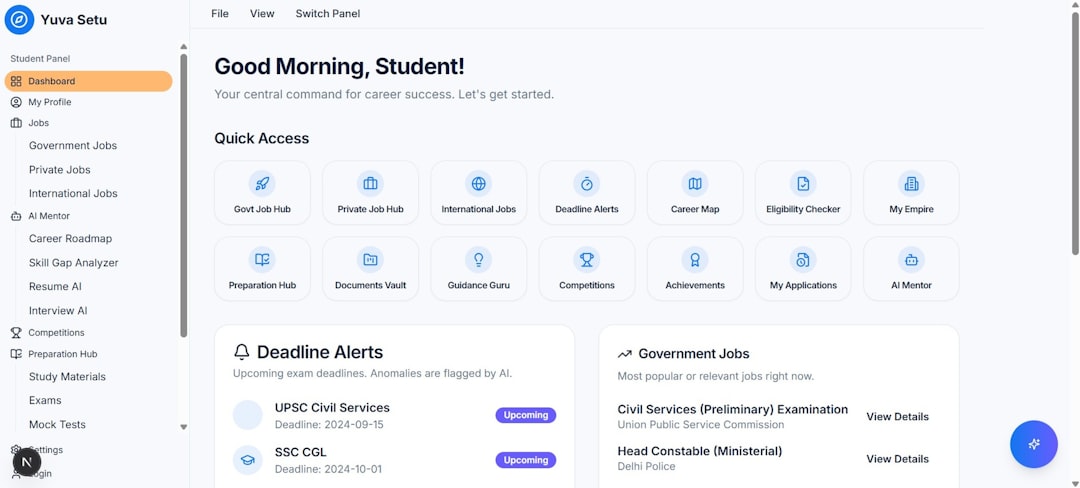
Analytics also empower product teams. Event tracking shows precisely how users navigate your app. Heatmaps and funnel reports identify friction points.
For example:
- If users rarely interact with a certain feature, it may need redesigning or repositioning.
- If a feature drives strong engagement, you might expand it with additional capabilities.
- If churn spikes after a new update, analytics help pinpoint what went wrong.
This approach reduces guesswork and accelerates improvement cycles.
Choosing the Right Analytics Tool for Your App
When selecting an analytics app, consider the following:
- App Size: Smaller apps may not need enterprise-level platforms.
- Budget Constraints: Some tools offer generous free tiers.
- Technical Resources: More advanced tools may require dedicated data teams.
- Primary Focus: Product analytics and marketing attribution tools serve different purposes.
Many growing companies even use a combination of tools—one for behavioral product insights and another for marketing attribution—to build a comprehensive analytics stack.
The Future of Mobile App Analytics
The future of mobile analytics is driven by AI-powered insights and privacy-conscious tracking. Machine learning models now predict churn, identify high-value users, and automate campaign optimization. Meanwhile, evolving data privacy regulations push platforms toward aggregated and consent-driven measurement approaches.
As mobile usage continues to expand globally, businesses that master analytics will have a significant advantage. Acting quickly on data, running experiments efficiently, and continuously adapting to user feedback will separate leading apps from those that fade away.
Final Thoughts
Mobile app analytics apps are no longer optional—they’re essential. They transform user activity into actionable strategies that fuel growth and profitability. Whether you choose a free, startup-friendly solution like Google Analytics for Firebase or a robust enterprise platform like Amplitude, the key lies in using the data consistently and strategically.
In a marketplace where user attention is scarce, data-driven decisions are your competitive edge. With the right tools and disciplined execution, you can refine every aspect of your app experience and build a product users truly value.