Your junk removal website has one big job. It must turn messy problems into easy bookings. People visit when they have old couches, broken fridges, yard waste, or a garage that looks like a raccoon had a party. They want help fast. Great web design makes them feel calm, safe, and ready to click.
TLDR: A strong junk removal website should be simple, fast, and easy to use. Put your phone number, service areas, prices, reviews, and booking button where people can see them. Use clear photos, friendly words, and trust signals. Make the site feel like booking junk removal is as easy as taking out the trash.
Why web design matters for junk removal companies
Junk removal is a local service. People often need it now. Not next month. Not after three phone calls. Now.
Your website is your digital truck. If it looks clean and ready, people trust you. If it looks old or confusing, they may call someone else.
A good site answers simple questions:
- Do you serve my area?
- Can you remove my type of junk?
- How much will it cost?
- Can I book today?
- Are you real and reliable?
If your website answers these fast, you win more jobs. Simple as that.
Start with a clear homepage
Your homepage should not be a puzzle. It should be a welcome mat.
At the top, show three things right away:
- What you do. Example: “Fast Junk Removal in Austin.”
- Where you work. Example: “Serving Austin, Round Rock, and Cedar Park.”
- How to book. Use a bright button like “Get a Free Quote.”
This top area is called the hero section. It is the first thing people see. Do not fill it with tiny text. Do not hide your phone number in a corner like a shy squirrel.
Use a simple headline like:
- “Junk Gone Today. Space Back Tomorrow.”
- “Easy, Fast, Friendly Junk Removal.”
- “We Haul the Stuff You Do Not Want.”
Keep it fun. Keep it clear. Keep it human.
Use bold calls to action
A call to action is what you want visitors to do. For a junk removal company, that usually means:
- Call now
- Book online
- Request a quote
- Text photos for pricing
Your main button should be visible at all times. Use simple words. Do not say “Submit inquiry.” That sounds like a tax form. Say “Get My Free Quote” or “Book Junk Pickup”.
Put buttons in key places:
- At the top of the homepage
- After your service list
- After reviews
- At the bottom of every page
On mobile, add a sticky call button. This means the button stays on the screen as people scroll. It should say “Call Now”. Many customers will tap it with one thumb while standing next to a pile of old chairs.
Make mobile design a top priority
Most people will find you on a phone. They may be in a garage. They may be at work. They may be cleaning a rental unit. Their patience is very small.
Your mobile site should load fast. Buttons should be big. Text should be easy to read. Forms should be short.
A bad mobile site feels like trying to move a piano through a dog door. No one enjoys that.
Follow these mobile rules:
- Use large buttons.
- Use short paragraphs.
- Make the phone number clickable.
- Keep menus simple.
- Avoid giant images that slow the site down.
- Test forms on a real phone.
If booking takes more than one minute, many people will quit. Make it fast.
Show your services clearly
Do not just say “junk removal.” Be specific. People search for exact services. They want to know if you remove their junk.
Create a clear service section. Use cards or simple lists. Each service can have a small icon or photo.
Common services include:
- Furniture removal
- Appliance removal
- Mattress removal
- Garage cleanouts
- Basement cleanouts
- Estate cleanouts
- Yard waste removal
- Construction debris removal
- Hot tub removal
- Office junk removal
For each service, write one or two short lines. Example:
Furniture Removal: “Old couch? Broken table? Mystery chair from 1997? We lift it, load it, and haul it away.”
This is clear. It also has personality. That helps people remember you.
Be honest about pricing
Pricing is a big concern. Many customers fear surprise fees. Your website can fix that.
You do not always need exact prices. Junk removal pricing can depend on volume, weight, stairs, distance, and disposal costs. But you should still explain how it works.
Use words like:
- “Free upfront quotes”
- “No hidden fees”
- “Volume based pricing”
- “You approve the price before we start”
You can also show a simple pricing guide:
- Small pickup: a few bags or boxes
- Quarter truck: small room cleanout
- Half truck: furniture and mixed junk
- Full truck: large cleanout
This helps customers feel safe. Safe customers click faster.
Use real photos when possible
Stock photos can look nice. But real photos build trust. Show your truck. Show your team. Show before and after cleanups. Show smiles. Show clean spaces. Show proof.
People want to know who will show up at their home. A friendly team photo can calm nerves. A clean truck photo can make your company look professional.
Good website photo ideas include:
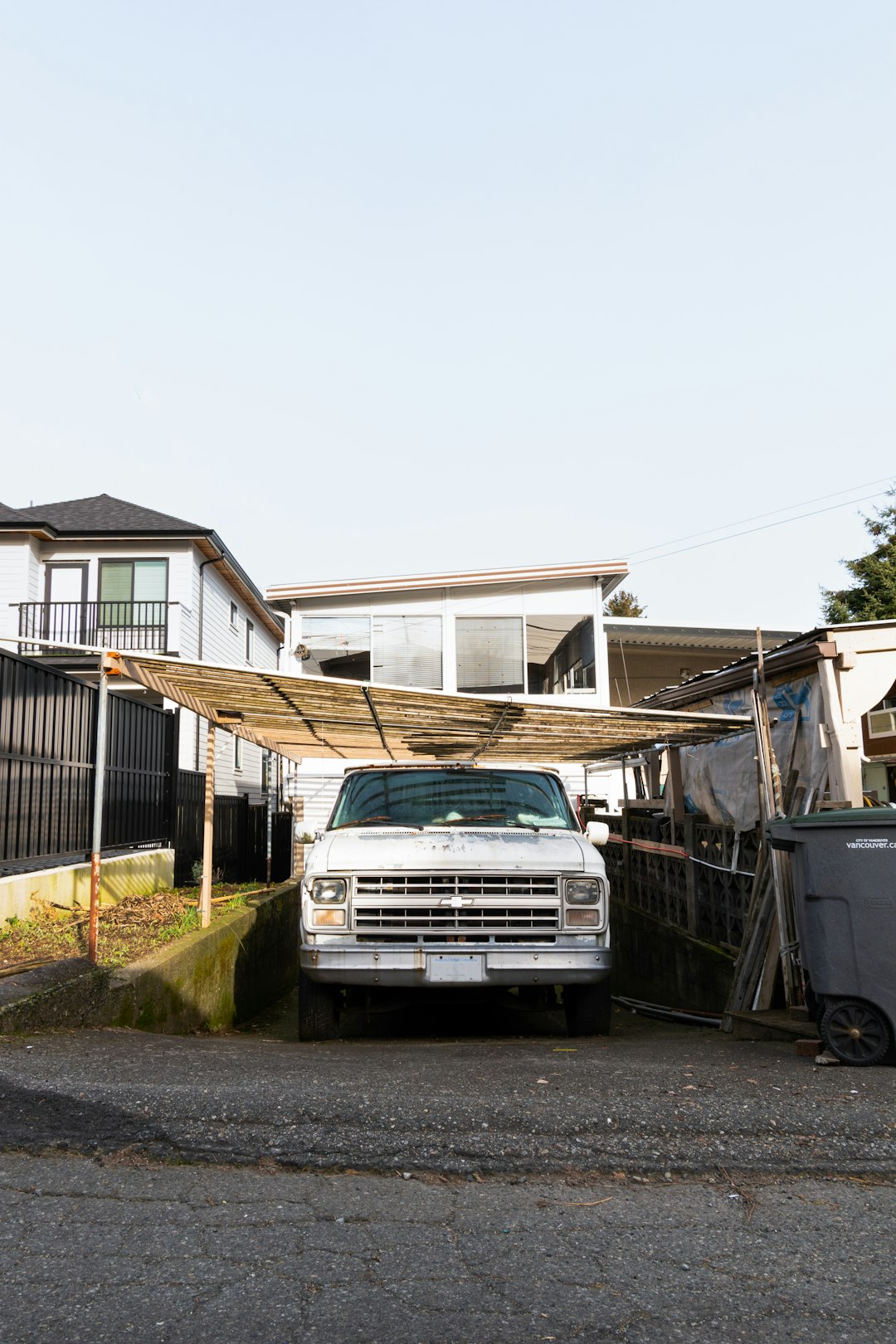
- Your branded truck in a driveway
- Your team wearing uniforms
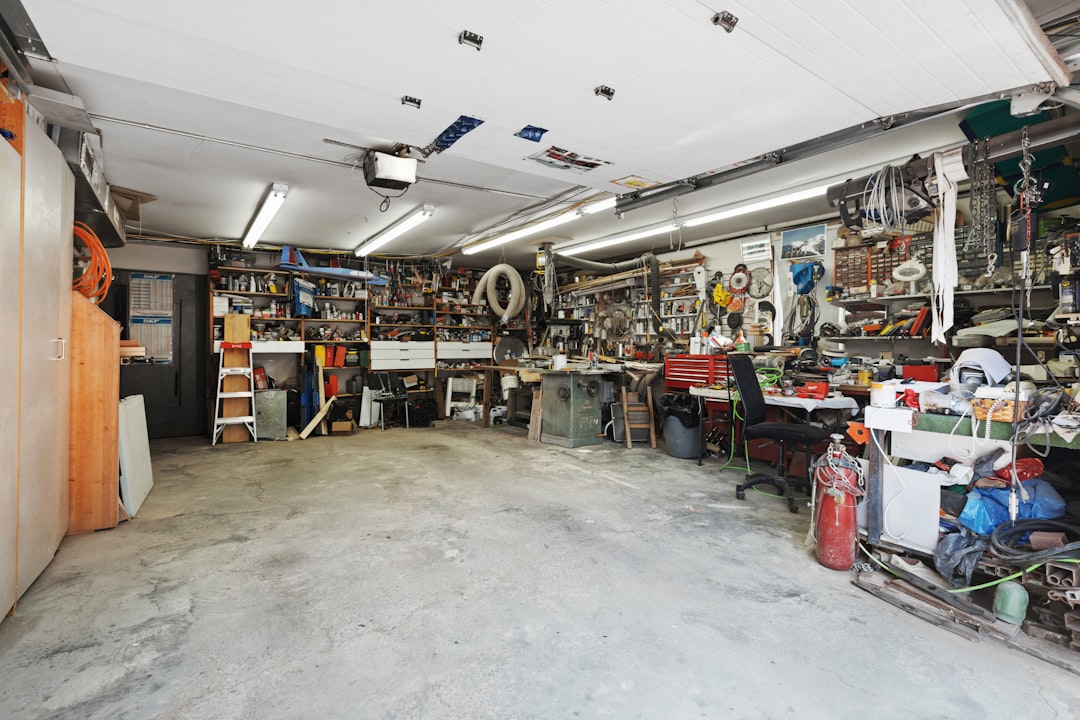
- A garage before and after cleanup
- A loaded truck with junk safely packed
- A happy customer standing in a clean room
Avoid photos that look too messy or gross. Yes, junk is junk. But your website should feel clean. It should promise relief, not chaos.
Add reviews and trust signals
Trust is huge. Customers are letting you into their home, yard, office, or rental property. They need to feel good about that.
Place reviews on the homepage. Use short quotes. Add names and locations if you can.
Example review:
“They arrived on time, gave a fair price, and cleared my garage in 45 minutes. I can park my car again!”
That review is gold. It shows speed, fairness, and a happy result.
Also add trust signals like:
- Licensed and insured
- Locally owned
- Same day service
- Eco friendly disposal
- Donation and recycling options
- Background checked team
- Five star ratings
These small details help customers say, “Okay, these people seem legit.”
Make booking very easy
Your booking form should be short. This is not a college application.
Ask only for what you need:
- Name
- Phone number
- Email address
- Address or ZIP code
- Type of junk
- Preferred pickup date
- Photo upload, if useful
If you offer text quotes, say it clearly. Many people love sending photos. It saves time. It also helps you price better.
Use friendly form labels. Instead of “Describe materials,” say “What do you need gone?” That sounds much better.
Create pages for each service area
Local search matters a lot. If you serve many towns or neighborhoods, create service area pages.
For example:
- Junk Removal in Tampa
- Junk Removal in Clearwater
- Junk Removal in St. Petersburg
Each page should be useful. Do not copy the same words and swap the city name. That feels boring. Search engines notice. People notice too.
Add local details when possible. Mention neighborhoods, landmarks, parking rules, apartment cleanouts, or local donation centers. Keep it natural.
A good local page says, “We know this area.” That builds confidence.
Keep the design clean and bright
Junk removal websites should not look like junk. Funny, right? But true.
Use open space. Use clean colors. Use large headings. Make the site feel fresh.
Good colors for junk removal brands include:
- Green for recycling and eco care
- Blue for trust and reliability
- Orange for energy and action
- Black and yellow for bold service impact
Do not use too many colors. Two or three main colors are enough. Your button color should stand out. If everything is bright, nothing is bright.
Use fonts that are easy to read. Avoid fancy script fonts. Nobody wants to decode curly letters while booking a fridge pickup.
Use simple website navigation
Your menu should be easy. No treasure map needed.
A good junk removal menu may include:
- Home
- Services
- Pricing
- Service Areas
- Reviews
- About
- Contact
Add a button in the menu that says “Book Now”. Make it stand out.
If you offer many services, group them under “Services.” Do not make the menu stretch across the screen like a buffet table.
Write copy that sounds human
Your website words should be clear and friendly. Avoid stiff language. Avoid giant blocks of text. People skim.
Bad copy:
“We provide comprehensive debris mitigation solutions for residential and commercial environments.”
Better copy:
“We remove junk from homes, offices, garages, yards, and job sites.”
See? Simple wins.
Use short sentences. Use active words. Tell people what happens next.
Example:
- Send us a photo.
- Get a clear quote.
- Approve the price.
- We haul it away.
This is easy. It feels safe. It lowers stress.
Highlight eco friendly disposal
Many customers care where their junk goes. They like knowing items may be donated or recycled.
If you recycle metal, donate furniture, or partner with local charities, say so. This can make your company stand out.
Use a section like:
“We try to keep reusable items out of the landfill.”
Then list what you may donate or recycle:
- Gently used furniture
- Working appliances
- Scrap metal
- Cardboard
- Electronics, where accepted
This gives people a warm fuzzy feeling. And warm fuzzy feelings are good for bookings.
Examples of strong junk removal website sections
Here are simple examples you can use as inspiration.
Example hero section
Headline: “Fast Junk Removal Without the Headache.”
Subheadline: “We remove furniture, appliances, yard waste, and cleanout junk across your local area.”
Button: “Get a Free Quote”
Trust note: “Licensed, insured, and locally owned.”
Example service section
“What We Haul”
- Couches, chairs, tables, and dressers
- Washers, dryers, fridges, and stoves
- Boxes, bags, clutter, and random mystery items
- Yard debris, branches, and old fencing
Example process section
“How It Works”
- Book: Call, text, or fill out the form.
- Quote: We give you a clear price.
- Haul: Our team removes the junk.
- Relax: You enjoy your clean space.
Example review section
“Super easy. I sent photos, got a quote, and they removed everything the next morning. Five stars!”
This kind of section works because it is simple. It answers questions. It builds trust.
Do not forget speed and SEO
A slow website can cost you leads. People do not wait. Search engines also prefer fast sites.
Improve speed by:
- Compressing images
- Using clean code
- Reducing extra plugins
- Choosing good hosting
- Testing page speed often
For SEO, use clear page titles, headings, and local keywords. But do not stuff keywords like old clothes in a closet. Keep it natural.
Use phrases customers search for, such as:
- Junk removal near me
- Furniture removal
- Appliance removal
- Garage cleanout
- Same day junk removal
Add these words where they make sense. Write for humans first.
Final thoughts
A great junk removal website is not fancy for the sake of fancy. It is helpful. It is fast. It is friendly. It makes people think, “Yes, this company can handle my mess.”
Focus on clear design, strong calls to action, real photos, honest pricing, local pages, and trust signals. Keep the words simple. Keep the buttons easy. Keep the process smooth.
When your website feels clean and easy, your service feels clean and easy too. That is the magic. You are not just removing junk. You are selling space, relief, and a fresh start.