
In law enforcement, every point of contact matters. A police business card is more than a convenient way to share a name and phone number; it is a compact representation of authority, public service, accountability, and professionalism. Whether used by patrol officers, detectives, chiefs, community outreach personnel, school resource officers, or private security professionals with law enforcement backgrounds, the card should communicate credibility the moment it is received.
TLDR: A professional police business card should be clear, official, and easy to read, with restrained design choices that support trust rather than decoration. Strong layouts, appropriate colors, accurate contact details, and secure branding elements help reinforce authority. The best cards balance formality with approachability, especially for officers working in community-facing roles. Quality materials and consistent department branding make the card more dependable and memorable.
Why Business Cards Still Matter in Law Enforcement
Even in a digital world, business cards remain relevant for police and public safety professionals. They are practical during investigations, traffic incidents, public meetings, neighborhood events, school visits, victim assistance, and interagency coordination. A card can be handed to a citizen who needs a case follow-up, to a business owner reporting repeated concerns, or to a partner agency after a briefing.
For law enforcement, the card is not simply promotional. It often serves as a professional reference point. Recipients may use it to confirm an officer’s identity, locate the correct department, call a non-emergency number, or send documents related to a report. Because of this, the design must prioritize accuracy, legibility, and institutional trust.

Core Principles of Police Business Card Design
A serious law enforcement card should follow several foundational principles. The design should be controlled and intentional, avoiding anything that looks casual, flashy, or overly commercial. A restrained card is usually more effective than one crowded with graphics, slogans, or excessive effects.
- Clarity: The recipient should immediately understand who the officer is, what agency they represent, and how to contact them.
- Authority: Typography, color, and layout should reflect professionalism and official responsibility.
- Consistency: The card should align with department branding, including approved colors, insignia, seals, and naming conventions.
- Accessibility: Text should be readable by people of different ages and vision levels, especially in stressful situations.
- Security: Official identifiers should be used carefully to reduce confusion or misuse.
Choosing the Right Color Palette
Color has a powerful impact on perception. Police cards often use shades associated with authority, order, and dependability. Common choices include navy blue, black, gray, silver, white, and deep charcoal. These colors convey seriousness without appearing aggressive when used correctly.
Navy blue is especially effective because it is widely associated with public safety and institutional confidence. Black can create a formal, commanding presence, but it should be balanced with white space to avoid a harsh or intimidating appearance. Silver or metallic accents may suggest rank, tradition, or official status, yet they should remain subtle.
For community policing roles, a slightly warmer palette may be appropriate. A card for a neighborhood liaison officer might use blue and white with a softer layout, while a detective bureau card may use darker tones and a more formal structure. The goal is to match the design to the professional context without weakening the credibility of the agency.
Typography That Communicates Professionalism
Font selection is one of the most important design decisions. Police business cards should use typefaces that are clean, readable, and stable. Sans serif fonts often work well because they remain legible at small sizes and create a modern institutional appearance. Serif fonts may also be appropriate for command staff, legal divisions, or ceremonial units when a more traditional tone is desired.
Avoid fonts that appear decorative, playful, overly futuristic, or difficult to read. The recipient may need to find an officer’s phone number quickly, sometimes under pressure. For that reason, essential details should be displayed in a clear hierarchy.
- Name: Usually the most prominent personal detail.
- Rank or title: Placed near the name to clarify authority and role.
- Department or unit: Clearly identified to avoid confusion.
- Phone and email: Easy to locate, with enough spacing between lines.
- Address or website: Included when useful and approved by policy.
Information to Include on a Police Business Card
A well-designed card includes only the information that serves a legitimate professional purpose. Too much information can reduce readability and make the card appear cluttered. Before printing, all details should be reviewed for accuracy and compliance with department policy.
Typical information may include:
- Officer’s full name
- Rank, badge number, or identification number if appropriate
- Division, bureau, precinct, or unit
- Department name and official logo or seal
- Office phone, non-emergency line, or direct extension
- Official email address
- Department website
- Physical station address, if relevant
- Emergency reminder, such as “For emergencies, call 911”
It is generally best to avoid including personal phone numbers unless specifically authorized. Law enforcement communication should remain professional, documented, and consistent with agency procedure.
Layout Ideas for Different Law Enforcement Roles
The most effective business card layout depends on the officer’s responsibilities. A patrol officer may need a straightforward card that helps residents follow up after routine incidents. A detective may need a more formal card suitable for interviews, legal contacts, and case communication. A chief or sheriff may require a design that reflects executive leadership and public representation.
Patrol and field officers benefit from simple front-facing layouts with the department name at the top, the officer’s name centered, and contact details below. This format is fast to read and easy to understand.
Detectives and investigators may prefer a card with a subtle badge watermark, a darker color palette, and a clean division label such as Criminal Investigations Division. The design should be discreet and serious.
Command staff cards can use premium paper, embossed seals, and more formal typography. These cards are often exchanged with public officials, administrators, and partner organizations, so they should reflect leadership and institutional stability.
Community outreach officers may use a slightly more approachable design with clear public contact information, event-related details, or a QR code leading to an official department page.
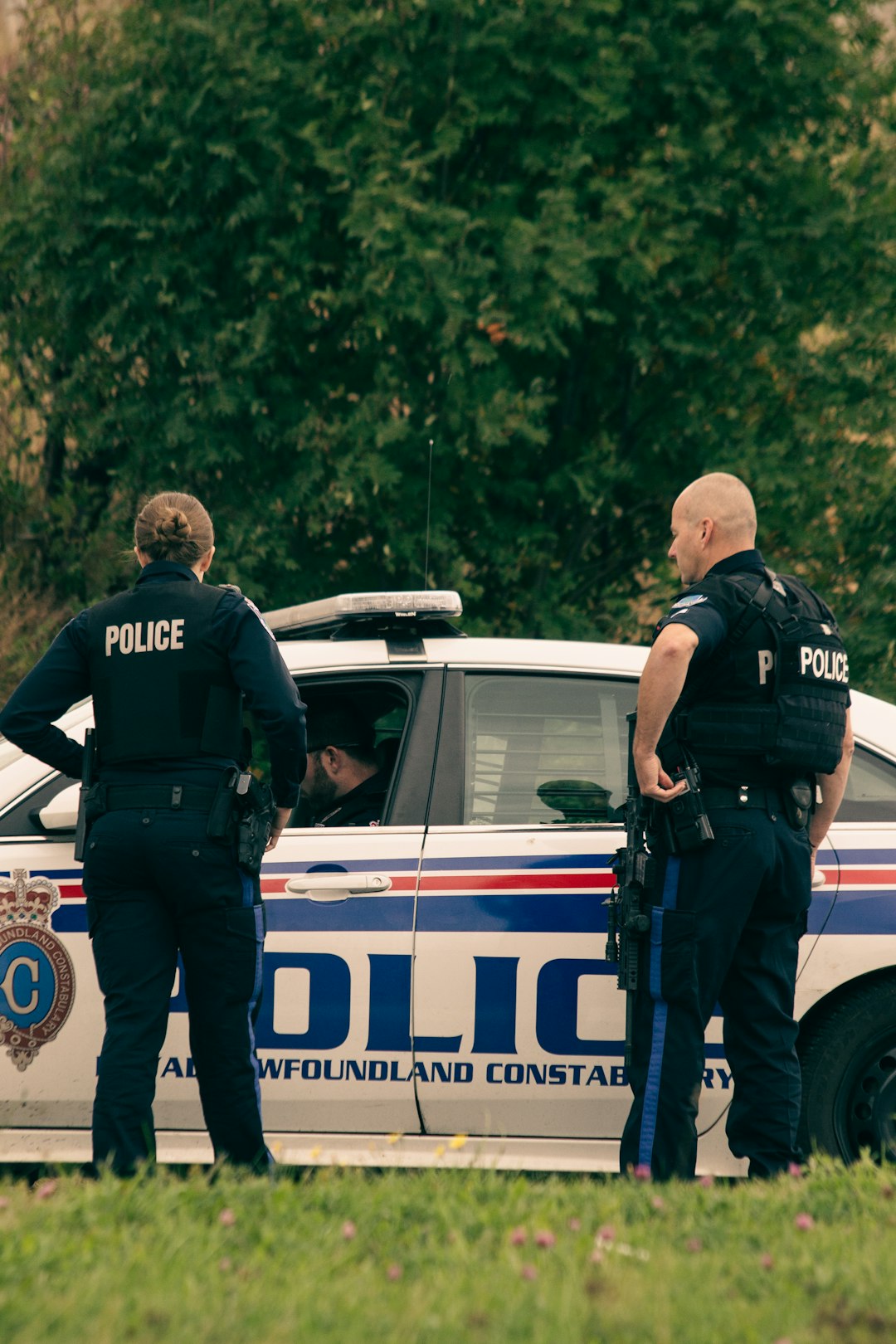
Using Badges, Seals, and Official Insignia
Official symbols carry weight. A badge, shield, seal, or departmental crest should be used respectfully and only in accordance with agency rules. These elements can strengthen authenticity, but they should not overpower the card.
A common professional approach is to place the department seal in the upper corner or use it as a faint background watermark. This supports recognition without compromising readability. If the badge shape is used, it should be sharp, properly scaled, and never distorted. Low-quality or stretched insignia can make the card seem unofficial or careless.
Departments should also consider how cards may be viewed by the public. A card that looks too theatrical may undermine trust. A card that looks too plain may fail to communicate official identity. The best result is a balanced presentation: unmistakably official, but not excessive.
Paper Stock and Finishing Options
The physical quality of a business card affects how it is perceived. Thin or flimsy paper can make even a good design feel less credible. For police and law enforcement cards, a sturdy card stock is recommended. Matte finishes are often preferable because they reduce glare and allow recipients to write notes on the card if needed.
Premium options can be used for leadership or ceremonial roles, but they should remain tasteful. Embossing, raised lettering, foil stamping, and spot gloss can add distinction when used sparingly. For example, an embossed department seal on a matte navy card can look dignified and official. However, excessive shine, unusual textures, or novelty materials may appear inappropriate for public service.
Practical Features That Improve Usefulness
A police business card should be designed for real-world conditions. Officers may hand cards out at night, outdoors, in bad weather, at a scene, or during emotionally difficult conversations. The card must be easy to read and durable enough to survive handling.
- High contrast: Dark text on a light background or white text on a dark background should be easy to distinguish.
- Readable phone numbers: Use spacing or separators so digits are not easily misread.
- Writable back side: Leave space for a case number, report number, appointment time, or short note.
- QR code: If used, link only to an official department page, not a personal profile.
- Emergency instruction: A short line reminding citizens to call emergency services when necessary can be valuable.
The back of the card is often underused. A clean reverse side can include a brief public safety message, office hours, victim assistance contact, or space for handwritten information. For example, a detective may write a case reference number, while a school resource officer may note a scheduled meeting time for a parent.
Design Mistakes to Avoid
Because law enforcement cards carry institutional responsibility, small design mistakes can have large consequences. Errors may create confusion, reduce trust, or make the card difficult to use.
- Overcrowding: Too many lines, icons, or decorative elements weaken professionalism.
- Unofficial imagery: Stock graphics of sirens, weapons, or dramatic scenes may look sensational rather than credible.
- Poor contrast: Gray text on black or blue text on a dark background can be unreadable.
- Unapproved logos: Department symbols should not be altered or used without authorization.
- Personal branding: Law enforcement cards should represent the agency and role, not a personal commercial identity.
- Outdated information: Old phone numbers, former titles, or inactive email addresses can create serious communication problems.
A professional card should be reviewed before printing. This includes checking spelling, rank, badge number, phone extensions, email format, and official naming. A second review by a supervisor or administrative staff member is often wise.
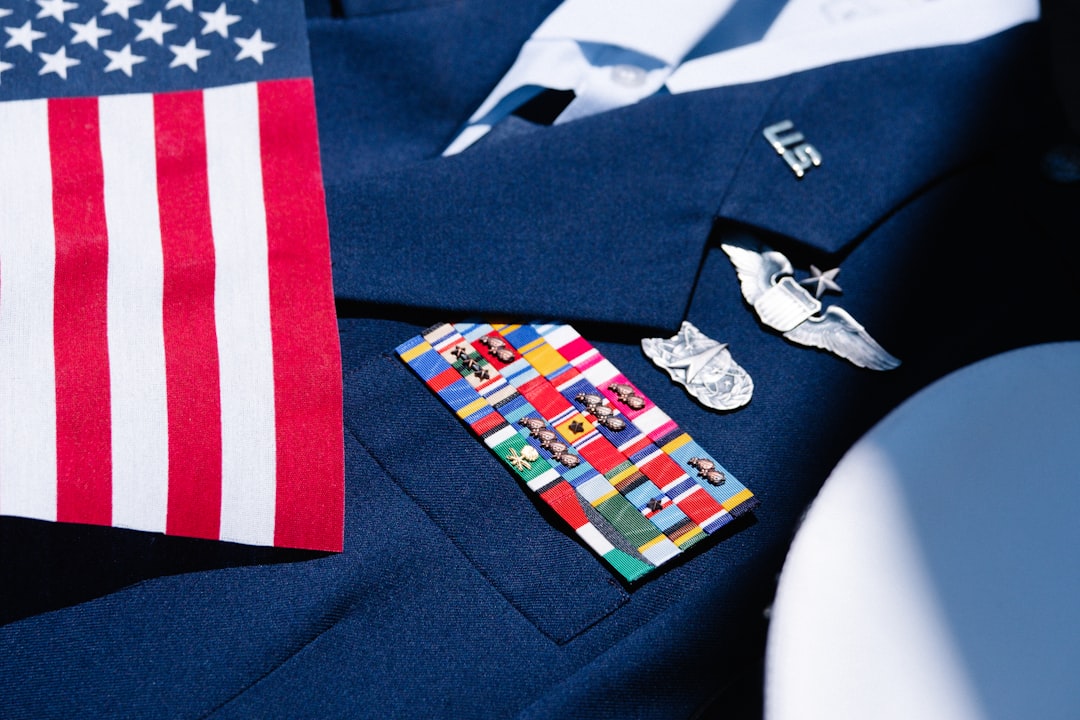
Maintaining Trust Through Consistency
Consistency across a department’s business cards strengthens public recognition. If every unit uses different colors, logos, fonts, and layouts, the public may struggle to identify what is official. A standardized template can help maintain order while still allowing individual roles to be clearly listed.
Departments may create approved versions for patrol, investigations, administration, community relations, and special units. This approach supports professionalism while reducing the risk of unauthorized or inconsistent designs. It also makes reordering easier and helps ensure that departing personnel do not continue using outdated cards.
Final Thoughts
A police business card should be designed with the same care expected in any official public communication. It must be readable, accurate, dignified, and aligned with the values of public service. The strongest designs are not the loudest; they are the ones that communicate competence, accountability, and trust at a glance.
For law enforcement professionals, a business card can help citizens feel informed, supported, and connected to the right point of contact. By using appropriate colors, official symbols, clear typography, quality materials, and practical information, police agencies can create cards that serve both operational needs and public confidence. A serious, well-made card is a small item, but in the right moment, it can make communication clearer and trust stronger.