
Enterprise SEO teams often outgrow desktop crawlers and ad hoc crawl workflows as their websites expand across regions, brands, frameworks, and millions of URLs. While Screaming Frog remains a respected tool for technical audits, large organizations frequently need cloud-based crawling, automated monitoring, collaboration, governance, and scalable reporting that fit complex operational environments.
TLDR: Enterprise teams looking for Screaming Frog cloud alternatives should prioritize platforms that offer scalable crawling, scheduled audits, issue tracking, integrations, and multi-user workflows. Tools such as Lumar, Botify, Oncrawl, Sitebulb Cloud, ContentKing, Ahrefs, Semrush, and Deepcrawl-style enterprise crawlers can support larger SEO operations in different ways. The best choice depends on the organization’s crawl volume, reporting needs, technical depth, and collaboration requirements. A strong alternative should help teams move from one-off audits to continuous SEO governance.
Why Enterprise SEO Teams Look Beyond Traditional Crawling
For smaller websites, a desktop crawler can be more than enough. It can identify broken links, missing metadata, redirect chains, duplicate pages, canonical issues, and indexability problems. However, enterprise SEO teams typically face a different scale of complexity. They may manage millions of URLs, multiple content management systems, international subdomains, JavaScript-heavy templates, and frequent releases from engineering teams.
At that level, SEO auditing becomes less about running a crawl once a month and more about building a repeatable system. Stakeholders need dashboards, historical comparisons, alerts, issue ownership, data exports, API access, and integrations with analytics, data warehouses, and project management tools. A cloud-based platform can reduce dependency on local machines, allow multiple users to collaborate, and make recurring crawls more reliable.

What Makes a Strong Screaming Frog Cloud Alternative?
An effective alternative for enterprise SEO teams should not simply replicate a desktop crawl in the cloud. It should improve the entire technical SEO workflow. The strongest platforms usually include a combination of crawling power, automation, reporting, integrations, and prioritization.
- Scalable crawling: The platform should be able to crawl hundreds of thousands or millions of URLs without relying on a user’s local hardware.
- Scheduled audits: Teams should be able to run recurring crawls across production, staging, regional sites, and key templates.
- Issue prioritization: Enterprise teams need to understand which technical issues affect revenue, traffic, indexation, or crawl budget most significantly.
- Collaboration features: Multi-user access, role permissions, annotations, and shared dashboards help SEO, product, engineering, and content teams work together.
- Historical tracking: Teams should be able to compare crawl results over time and detect whether issues are improving or recurring.
- Integrations: Connections with Google Search Console, analytics platforms, log files, business intelligence tools, and ticketing systems are increasingly important.
- JavaScript rendering: Many enterprise websites rely on modern frameworks, so rendering and rendered HTML analysis can be essential.
Lumar: Enterprise Technical SEO and Website Intelligence
Lumar, formerly associated with Deepcrawl, is one of the better-known enterprise crawling platforms. It is designed for large websites and organizations that need ongoing technical SEO monitoring rather than occasional audits. Its strengths include scalable cloud crawling, dashboards, QA testing, accessibility monitoring, and integrations that support cross-functional workflows.
For enterprise SEO teams, Lumar can be a strong choice when they need to monitor site health across several properties and communicate issues to non-SEO stakeholders. It is especially useful when SEO needs to be embedded into release cycles and governance processes. Instead of simply showing a list of errors, the platform helps teams track trends and evaluate whether technical debt is increasing or decreasing over time.
The main consideration is that Lumar is generally positioned for larger budgets and more mature SEO programs. Teams that only need occasional crawling may find it more platform than necessary, but organizations with dedicated technical SEO resources may benefit from its depth.
Botify: Crawl Data, Log Files, and Organic Search Performance
Botify is another enterprise-level alternative often considered by teams managing very large websites. Its value lies not only in crawling but also in combining crawl data with log file analysis and organic search performance metrics. This can help teams understand how search engines actually interact with their sites, not just how a crawler sees them.
For large ecommerce sites, publishers, marketplaces, and classified platforms, Botify can be valuable for crawl budget analysis, indexation strategy, internal linking improvements, and page quality segmentation. It allows teams to connect technical SEO recommendations with business impact, which can be critical when competing for engineering resources.
Botify tends to suit organizations that need a high level of technical sophistication. Its features may require experienced users who understand crawl behavior, log files, indexation patterns, and large-scale SEO diagnostics. For teams with that expertise, it can provide powerful insight into how technical architecture affects search visibility.
Oncrawl: Data-Driven SEO Crawling and Log Analysis
Oncrawl offers a strong mix of technical crawling, log file analysis, segmentation, and data visualization. It is often attractive to enterprise SEO teams that want to combine crawl data with additional data sources, such as analytics, backlinks, rankings, and search console data.
One of Oncrawl’s strengths is its flexibility. Teams can segment pages by type, template, traffic level, depth, indexability, or custom business rules. This helps large organizations move beyond generic issue lists and focus on patterns. For example, an ecommerce team may discover that a specific product category template creates duplicate title tags, or that valuable pages are buried too deeply in the site architecture.
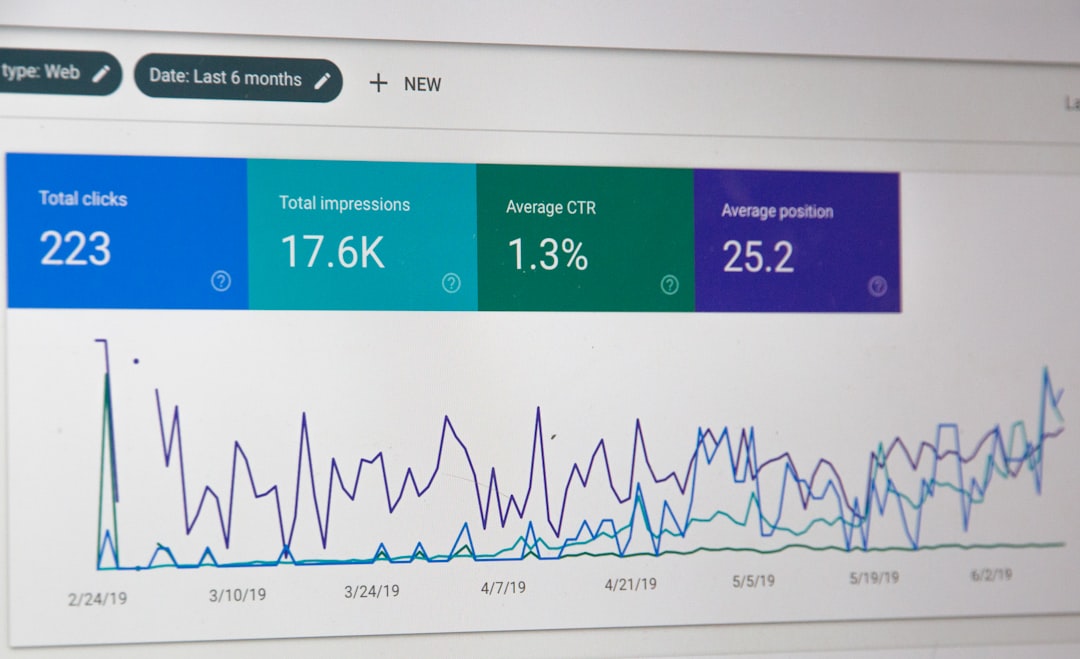
Oncrawl can be a practical alternative for technical SEO teams that want robust analysis without losing control over the way data is organized. It is particularly useful when SEO teams need to present findings to data-oriented stakeholders.
Sitebulb Cloud: Visual Auditing with Team Collaboration
Sitebulb Cloud is a logical option for teams that appreciate the visual and audit-focused nature of traditional crawling tools but want more cloud-based collaboration. Sitebulb is known for its clear visualizations, hints, audit explanations, and user-friendly technical reports. Its cloud offering extends those strengths into a more scalable and team-friendly environment.
For enterprise teams, Sitebulb Cloud may be especially useful when technical SEO findings need to be understood by content teams, developers, and marketing managers. Its reports can make complex issues easier to interpret, which reduces friction when SEO teams need internal buy-in.
While it may not be the deepest enterprise data platform for every use case, it offers a strong balance of usability, crawling capability, and collaborative auditing. Teams that find some enterprise platforms overly complex may appreciate Sitebulb’s approach.
ContentKing: Real-Time SEO Monitoring
ContentKing, now part of Conductor, takes a slightly different approach. Rather than focusing primarily on large scheduled crawls, it emphasizes real-time SEO monitoring. This makes it valuable for teams that need to detect changes quickly, such as accidental noindex tags, broken canonical tags, removed titles, redirect changes, or robots.txt updates.
Enterprise websites change constantly. Product teams ship new templates, developers deploy releases, editors publish content, and localization teams update regional pages. ContentKing helps SEO teams catch problems soon after they occur, instead of waiting for the next scheduled audit.
It may not replace every advanced crawl analysis workflow, especially for teams needing deep log file analysis or highly customized crawl segmentation. However, it can be an excellent complement or alternative for organizations where change detection and alerting are the highest priorities.
Ahrefs Site Audit: Strong Crawling Within a Broader SEO Suite
Ahrefs Site Audit is not always thought of as a pure enterprise crawler, but it can serve many teams well, especially when they already use Ahrefs for backlink analysis, keyword research, and competitive intelligence. Its cloud-based crawler identifies common technical SEO issues and presents them through accessible reports.
The advantage of Ahrefs is convenience. Teams can combine technical audit findings with link data, organic traffic estimates, and competitor research inside one ecosystem. For organizations that need a broad SEO toolkit rather than a dedicated technical SEO platform, this can be efficient.
However, very large enterprises with complex crawling requirements may find Ahrefs less specialized than platforms built exclusively for advanced technical SEO operations. It is best suited for teams that want solid cloud crawling alongside broader SEO research capabilities.
Semrush Site Audit: Accessible Cloud Auditing for Marketing Teams
Semrush Site Audit provides cloud-based technical auditing as part of a wider digital marketing platform. Its reports cover crawlability, HTTPS, performance, internal linking, markup, Core Web Vitals, and many standard SEO checks. For enterprise marketing teams already using Semrush, the site audit tool can be a practical alternative for routine monitoring.
Semrush is especially useful when SEO sits within a broader marketing department and needs access to keyword tracking, competitor research, content tools, and paid search insights. Its interface is accessible, and its audit reports are easy to share with stakeholders.
For highly technical enterprise SEO teams, Semrush may not offer the same depth as specialized crawl platforms. Still, it can be a strong option for organizations that value an all-in-one marketing suite and need recurring cloud audits without heavy technical configuration.
Choosing the Right Alternative by Enterprise Use Case
The best solution depends on the specific needs of the enterprise team. No single platform is ideal for every organization, because technical SEO maturity, site architecture, and internal workflows vary widely.
- For massive websites with log file needs: Botify or Oncrawl may be the strongest candidates.
- For enterprise governance and technical health monitoring: Lumar is often a strong fit.
- For visual audits and stakeholder-friendly reporting: Sitebulb Cloud may be the most approachable option.
- For real-time change detection: ContentKing is well suited to fast-moving websites.
- For broad SEO suites with built-in auditing: Ahrefs or Semrush can be practical choices.

Key Evaluation Criteria for Enterprise Buyers
Before selecting a platform, an enterprise SEO team should define its requirements clearly. A tool that looks impressive in a demo may not fit daily workflows, internal approval processes, or data governance standards.
Teams should ask how many URLs need to be crawled, how often crawls should run, whether JavaScript rendering is required, and how many users need access. They should also evaluate whether the platform supports single sign-on, permissions, APIs, data exports, and integrations with tools such as Jira, Looker Studio, Google Search Console, Adobe Analytics, or internal data warehouses.
Another important consideration is reporting. Enterprise SEO teams rarely work in isolation. They need to translate technical problems into business language. A useful platform should help explain why an issue matters, how many pages are affected, which templates are responsible, and what the likely impact may be.
Should Enterprise Teams Fully Replace Screaming Frog?
In many cases, enterprise teams do not need to fully replace Screaming Frog. Instead, they may use it alongside a cloud platform. Screaming Frog can remain useful for quick checks, custom extractions, staging crawls, local debugging, and one-off investigations. A cloud platform can then handle scheduled monitoring, large-scale reporting, collaboration, and historical tracking.
This hybrid approach is common because different tools serve different purposes. A senior technical SEO specialist may use a desktop crawler for rapid diagnosis, while the broader team relies on cloud dashboards and automated alerts. The goal is not necessarily to abandon familiar tools, but to create a more scalable SEO operations model.
Final Thoughts
Screaming Frog has earned its place in technical SEO, but enterprise teams often need capabilities that go beyond local crawling. Cloud alternatives can help organizations monitor complex websites continuously, collaborate across departments, prioritize issues, and connect technical SEO work to business outcomes.
The right choice depends on whether the team values log file analysis, real-time monitoring, visual reporting, broad SEO suite functionality, or enterprise governance. By evaluating platforms against actual workflows rather than feature lists alone, an organization can choose a solution that supports long-term SEO performance and reduces technical risk.
FAQ
What is the best Screaming Frog cloud alternative for enterprise SEO?
There is no single best option for every enterprise. Lumar, Botify, Oncrawl, Sitebulb Cloud, ContentKing, Ahrefs, and Semrush can all be strong choices depending on crawl scale, integrations, reporting needs, and technical complexity.
Do enterprise SEO teams still need Screaming Frog?
Many enterprise teams still use Screaming Frog for quick investigations, custom extractions, and staging checks. However, they often pair it with a cloud platform for scheduled crawls, collaboration, monitoring, and historical reporting.
Which alternative is best for log file analysis?
Botify and Oncrawl are commonly considered strong options for log file analysis. They help teams understand how search engine bots crawl a site and how crawl behavior relates to indexation and performance.
Which tool is best for real-time SEO alerts?
ContentKing is well suited for real-time monitoring and alerts. It can notify teams when important SEO elements change, such as canonical tags, indexability rules, titles, redirects, or robots.txt directives.
Are Ahrefs and Semrush suitable for enterprise technical SEO?
Ahrefs and Semrush can be suitable for many enterprise teams, especially those that want site auditing within a broader SEO and marketing suite. However, organizations with very large or technically complex websites may prefer more specialized enterprise crawling platforms.
What should an enterprise SEO team consider before choosing a crawler?
The team should consider crawl volume, crawl frequency, JavaScript rendering, user permissions, integrations, reporting requirements, API access, data exports, and support for collaboration across SEO, engineering, product, and content teams.