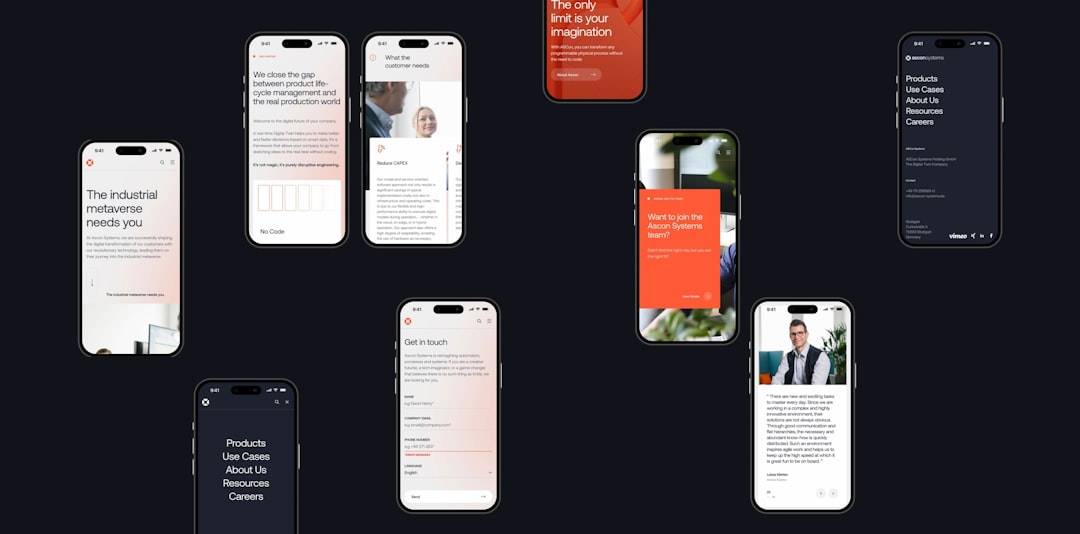
App-utveckling is the process of planning, designing, building, testing, launching, and maintaining software applications for mobile devices, web browsers, desktop computers, and connected systems. The term is Swedish for app development, but the principles are universal: successful applications solve real problems, operate reliably, protect user data, and deliver a smooth experience across devices and platforms.
TLDR: App-utveckling means developing software applications, including mobile apps for iOS and Android, web apps, and business software. A professional development process usually includes research, UX and UI design, programming, testing, deployment, and long-term maintenance. The best apps are not only visually appealing; they are secure, scalable, fast, and built around clear user needs. Choosing the right technology, development team, and project strategy is essential for a successful result.
What Does App-Utveckling Mean?
App-utveckling refers to the complete creation of an application from idea to finished product. An app can be a simple tool, such as a calculator or booking form, or a complex platform involving payments, user accounts, databases, integrations, analytics, and artificial intelligence.
In a business context, app development often supports digital transformation. Companies use apps to improve customer service, automate internal processes, sell products, manage logistics, collect data, or create new revenue streams. For individuals and startups, app-utveckling can turn a market opportunity into a scalable digital product.
Although many people associate app development only with smartphones, the field is broader. It includes mobile app development, web application development, desktop software, cloud platforms, and enterprise systems. Each type has its own technical requirements, user expectations, and business considerations.
The Main Types of App Development
There are several common categories of app-utveckling, and understanding them helps when choosing the right solution for a project.
- Native mobile apps: Built specifically for one platform, such as iOS or Android. Native apps often offer strong performance, reliable access to device features, and a polished user experience.
- Cross-platform mobile apps: Developed with frameworks that allow one codebase to run on multiple platforms. This can reduce development time and cost, especially for early-stage products.
- Web apps: Applications accessed through a browser. They are easier to update and can be used across devices without installation.
- Progressive web apps: Web apps that behave more like mobile apps, with features such as offline access, push notifications, and home screen installation.
- Enterprise software: Internal tools designed for companies, such as CRM systems, inventory platforms, HR portals, and workflow automation applications.
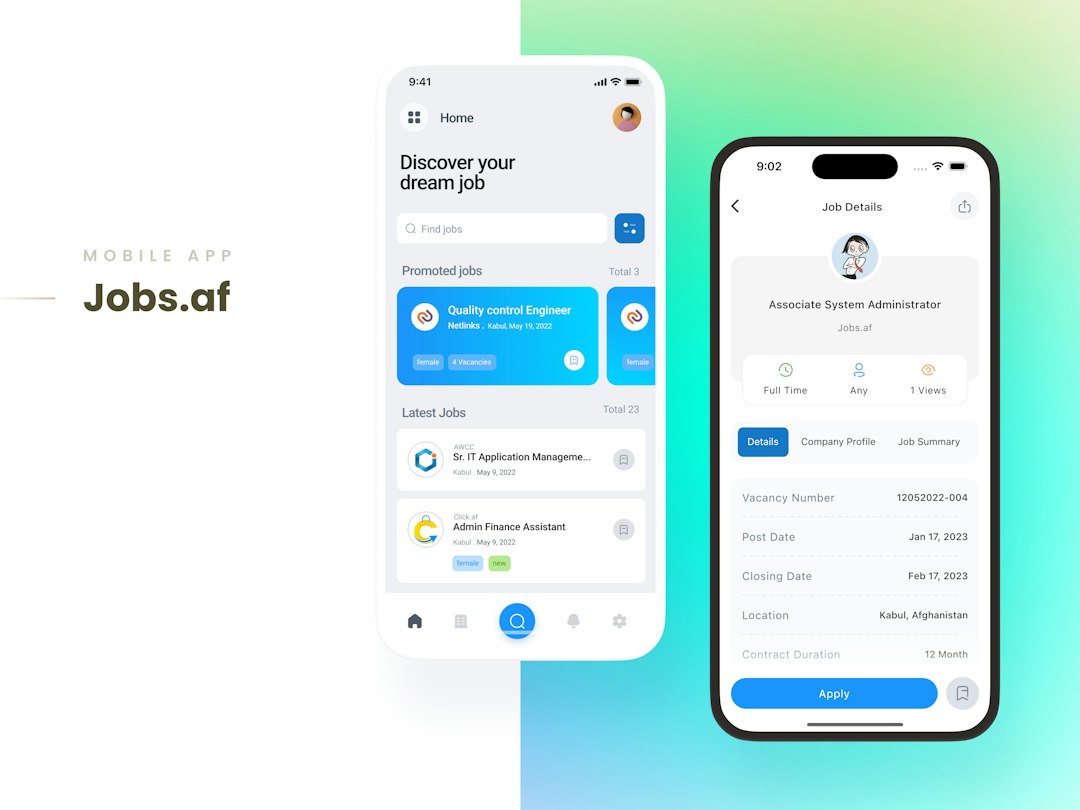
How the App Development Process Works
A serious app development project should follow a structured process. While every team may work slightly differently, most professional projects include the following stages.
1. Discovery and Planning
The first stage is about understanding the purpose of the app. This includes identifying the target audience, defining business goals, studying competitors, clarifying technical requirements, and deciding which features are essential.
At this stage, teams often create a product roadmap, a prioritized feature list, and a rough budget. Good planning prevents unnecessary costs later. It also helps stakeholders agree on what the first version of the app should include.
2. UX and UI Design
UX, or user experience design, focuses on how the app works from the user’s perspective. It considers navigation, structure, accessibility, and how easily a user can complete important tasks.
UI, or user interface design, focuses on visual presentation: colors, typography, buttons, icons, spacing, and screens. A trustworthy app should look professional, but design quality is not only aesthetic. It affects usability, credibility, and conversion rates.
Designers often create wireframes and interactive prototypes before development begins. This allows teams to test the app concept early and make improvements before expensive coding work is completed.
3. Software Architecture and Technology Selection
Technology choices have long-term consequences. A small prototype may not need the same architecture as a banking platform, healthcare system, or large e-commerce app. Professional developers consider performance, security, scalability, integrations, and maintenance before selecting tools.
Common technologies in app-utveckling include programming languages such as Swift, Kotlin, JavaScript, TypeScript, Python, Java, and C#. Popular frameworks include React Native, Flutter, Angular, React, Vue, Node.js, .NET, and Django. The right choice depends on the project’s requirements rather than trends alone.
4. Development and Integration
During development, programmers build the front end and back end of the application. The front end is what users see and interact with. The back end handles data, business logic, authentication, server communication, and integrations with services such as payment providers, maps, messaging platforms, or analytics systems.
Modern development teams often use agile methods, working in short cycles called sprints. This allows stakeholders to review progress regularly and adjust priorities as needed. Agile development is especially useful when the product may evolve based on user feedback.
5. Testing and Quality Assurance
Testing is a critical part of professional app development. An app that crashes, loads slowly, or exposes sensitive data can damage a brand quickly. Quality assurance should not be treated as an afterthought.
Common types of testing include:
- Functional testing: Confirms that features work as expected.
- Usability testing: Evaluates whether real users can navigate the app easily.
- Performance testing: Checks speed, stability, and behavior under heavy traffic.
- Security testing: Identifies vulnerabilities and protects user data.
- Compatibility testing: Ensures the app works across devices, browsers, screen sizes, and operating systems.

Mobile App Development: iOS, Android, and Cross-Platform
Mobile app development is one of the most visible areas of app-utveckling. Businesses often need apps for both iOS and Android, since users may expect availability on both platforms.
Native iOS development usually involves Swift and Apple’s development ecosystem. It is often preferred when the app requires high performance, advanced device features, or strict alignment with Apple’s design standards.
Native Android development commonly uses Kotlin or Java. Android development must account for a wider variety of devices, screen sizes, and system versions, which makes testing especially important.
Cross-platform development allows teams to build apps for both iOS and Android with a shared codebase. This approach can be efficient, but it is not always the best choice for every project. Apps with highly complex animations, intensive graphics, or advanced hardware requirements may benefit from native development.
Security and Privacy in App-Utveckling
Security should be built into an app from the beginning. This is especially important for applications that handle personal information, payments, healthcare data, financial records, or confidential business information.
A responsible development process may include secure authentication, encrypted communication, careful access control, safe data storage, regular updates, dependency monitoring, and compliance with relevant regulations. In Europe, many applications must consider GDPR requirements, including lawful data processing, user consent, data minimization, and the right to delete personal information.
Trustworthy apps also communicate clearly with users. Privacy policies, permission requests, and account settings should be understandable. Users are more likely to trust software that explains why data is collected and how it is protected.
Cost Factors in App Development
The cost of app-utveckling varies widely. A simple app with a few screens and limited functionality may be relatively affordable, while a complex platform with real-time communication, payments, integrations, custom administration tools, and advanced security can require a significant investment.
Key cost factors include:
- Project scope: The number and complexity of features.
- Design requirements: Custom interfaces, branding, animations, and accessibility needs.
- Platform choice: iOS, Android, web, or several platforms at once.
- Backend complexity: Databases, APIs, user roles, dashboards, and integrations.
- Security and compliance: Requirements for regulated industries or sensitive data.
- Maintenance: Updates, bug fixes, server costs, monitoring, and future improvements.
It is usually wise to begin with a minimum viable product, often called an MVP. An MVP includes the core features needed to test the idea with real users. This approach reduces risk, provides early feedback, and helps determine whether further investment is justified.
The Importance of Maintenance After Launch
Launching an app is not the end of the development process. Operating systems change, security threats evolve, user expectations increase, and business needs shift over time. Without maintenance, even a well-built app can become outdated or unreliable.
Post-launch work may include performance monitoring, bug fixes, feature improvements, security patches, user support, analytics review, and compatibility updates. A strong maintenance plan protects the original investment and helps the app remain useful for years.
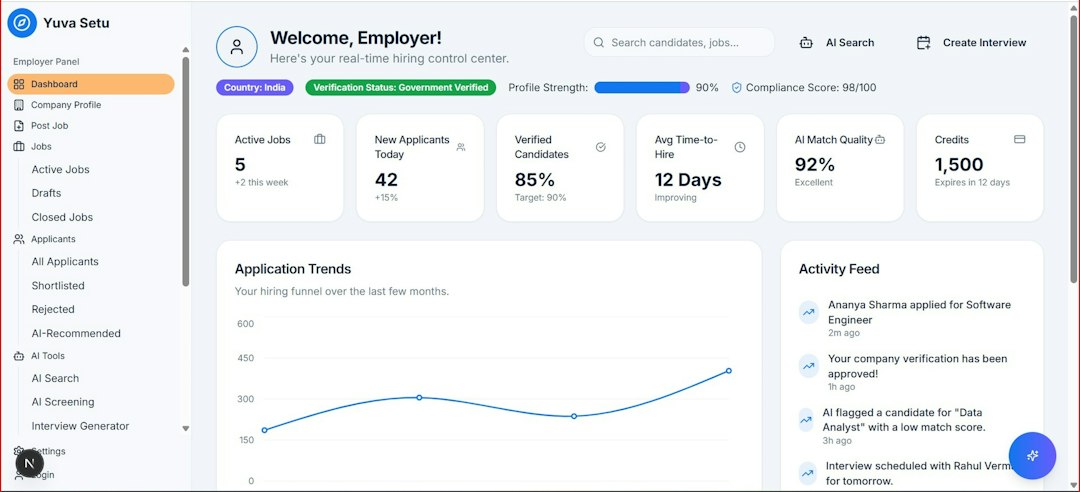
How to Choose an App Development Partner
Selecting the right development partner is one of the most important decisions in an app project. A reliable team should be able to explain technical choices clearly, ask relevant business questions, and provide realistic timelines. Serious developers do not simply write code; they help reduce risk and improve the final product.
When evaluating a development team, consider the following:
- Experience: Have they built similar applications or worked in your industry?
- Process: Do they follow a structured method for planning, design, development, testing, and launch?
- Communication: Are expectations, responsibilities, and progress updates clear?
- Technical competence: Can they justify their technology recommendations?
- Security awareness: Do they understand data protection and secure development practices?
- Long-term support: Can they maintain and improve the app after launch?
Common Mistakes to Avoid
Many app projects fail not because the idea is bad, but because the execution is weak. One common mistake is building too many features too early. This increases cost and delays launch before real users can provide feedback.
Another mistake is underestimating design and testing. A technically functional app may still fail if users find it confusing, slow, or untrustworthy. Security can also be overlooked, especially in early versions, but fixing security issues later can be more difficult and expensive.
Finally, some organizations treat app development as a one-time purchase rather than an ongoing product lifecycle. A sustainable app needs continuous attention, measurement, and improvement.
Conclusion
App-utveckling is a disciplined process that combines strategy, design, engineering, security, testing, and ongoing maintenance. Whether the goal is a mobile app, web platform, or internal business tool, success depends on understanding users, choosing suitable technology, and building with long-term reliability in mind.
A well-developed app can strengthen customer relationships, improve operational efficiency, and create new business opportunities. However, the best results come from careful planning and professional execution. By treating app development as a strategic investment rather than a simple technical task, organizations can create software that is useful, secure, and capable of growing with future needs.