Equipment rental companies operate in a demanding environment where availability, utilization, billing accuracy, maintenance, dispatching, and customer service all have to work together. RentalMan is an equipment rental software platform designed to support these operational needs, particularly for businesses managing complex rental fleets, multiple branches, high transaction volumes, and detailed accounting requirements.
TLDR: RentalMan is a serious, enterprise-grade equipment rental software solution built for companies that need strong control over fleet management, contracts, billing, maintenance, and financial reporting. Its feature set is especially relevant for construction equipment rental, industrial rental, specialty equipment, and multi-location operations. While it may require careful implementation and training, it can provide significant operational visibility for rental businesses that have outgrown basic systems. Overall, RentalMan is best suited for established rental companies looking for depth, reliability, and process discipline.
Overview of RentalMan
RentalMan is widely recognized as a comprehensive rental management system focused on the equipment rental industry. Rather than functioning as a simple booking tool, it is structured to manage the full lifecycle of rental operations: quotation, reservation, dispatch, contract management, billing, returns, service, and reporting.
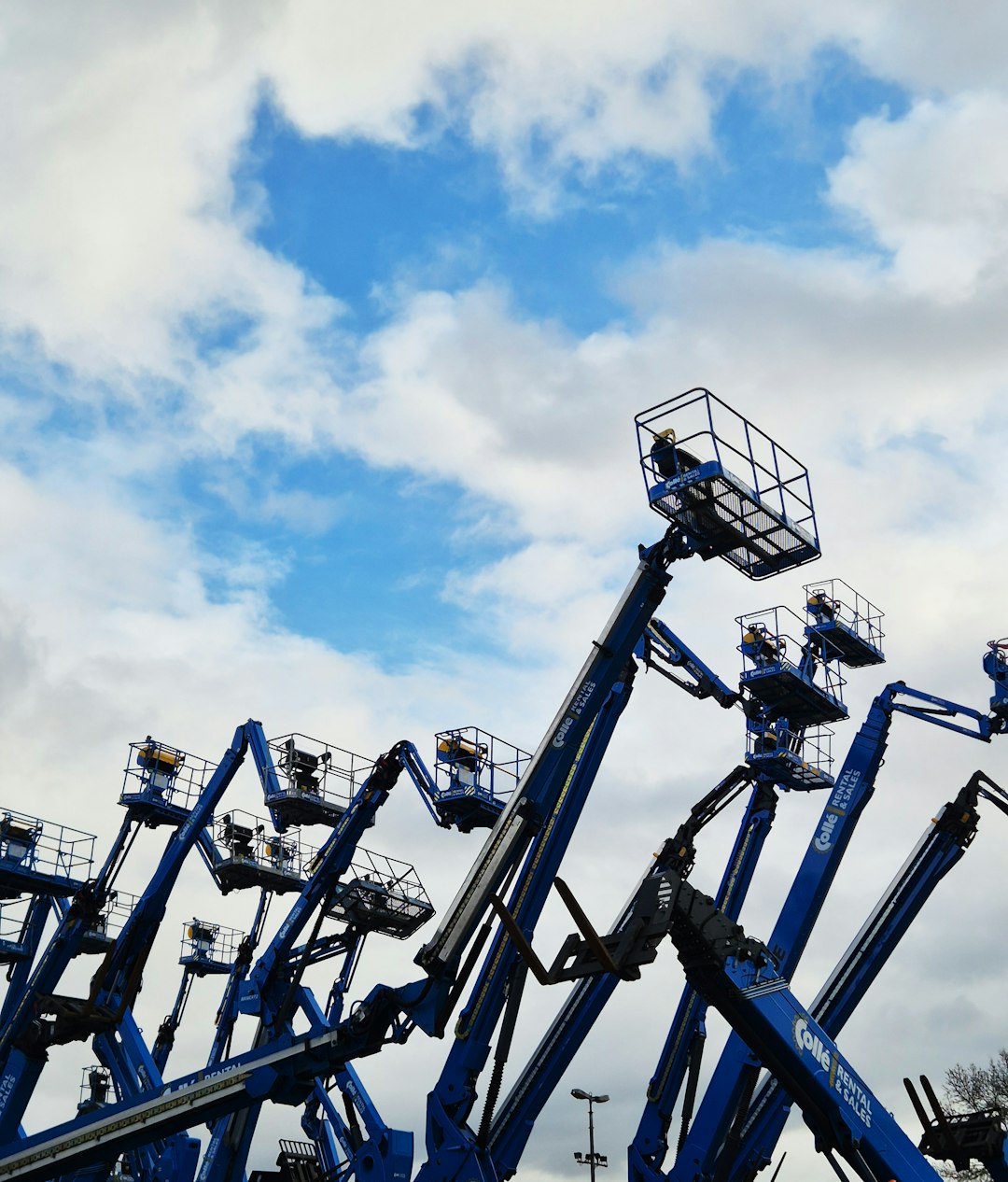
The software is commonly associated with businesses that rent heavy equipment, aerial lifts, earthmoving machinery, power generation units, tools, pumps, compressors, and other asset-intensive inventory. These organizations often require more than a calendar-based reservation system. They need a platform that can track equipment location, status, revenue, depreciation-related data, service needs, customer accounts, and branch performance.
In practical terms, RentalMan is built for rental companies where every asset must be accounted for and every transaction has financial consequences.
Core Equipment Rental Features
The central strength of RentalMan is its focus on rental workflows. Equipment rental is different from ordinary sales because assets return, move between locations, require maintenance, and generate revenue over time. RentalMan addresses these realities with tools designed specifically for rental operations.
- Rental contracts: Users can create and manage rental agreements with customer details, equipment information, rates, terms, delivery charges, and billing rules.
- Reservations: The system helps confirm future equipment availability, reducing the risk of double booking and improving planning accuracy.
- Quotes: Sales or counter staff can prepare rental quotes and convert them into active contracts when the customer approves.
- Returns: RentalMan supports return processing, including equipment condition, off-rent dates, fuel charges, damage notes, and final invoicing.
- Asset status tracking: Equipment can be marked as available, on rent, down for maintenance, in transit, reserved, or otherwise unavailable.
These features support day-to-day rental activity and help staff make decisions based on current equipment status rather than assumptions. For companies with a large fleet, this visibility is essential.
Fleet and Asset Management
Fleet management is one of the most important functions in any equipment rental platform. RentalMan provides tools to track individual assets, including their location, availability, service history, utilization, and rental performance.
A strong rental business does not simply own equipment; it measures how effectively that equipment earns revenue. RentalMan can support analysis of utilization, rental frequency, downtime, and asset profitability. This helps managers identify which machines are performing well and which may be underused, over-maintained, or ready for disposal.
Typical fleet data may include:
- Equipment number and description
- Make, model, serial number, and category
- Branch or physical location
- Current rental status
- Meter readings or usage hours
- Maintenance records
- Revenue history
- Replacement or resale considerations
This level of asset detail is particularly useful for rental businesses operating across multiple locations. Managers can see where assets are positioned, whether they need to be transferred, and how each branch is using the fleet.
Inventory and Availability Control
Availability is a critical factor in rental profitability. If staff cannot quickly determine whether equipment is available, ready to rent, or already promised to another customer, customer service suffers and revenue opportunities may be lost.
RentalMan provides availability controls that help staff check inventory status before committing to a rental. This can include owned equipment, serialized assets, bulk rental items, attachments, accessories, and related parts. For businesses that rent both large machines and smaller tools, this structure can help standardize inventory handling.
Accurate availability control also reduces internal friction. Dispatch, sales, service, and branch teams can work from the same information, which improves coordination and reduces manual calls or spreadsheet checks.
Rate Management and Billing
Rental billing can become complex quickly. Companies may charge by the day, week, month, meter usage, mileage, shift, or customized customer agreement. RentalMan is designed to handle rental-specific billing scenarios and pricing rules.
Core billing and rate capabilities may include standard rental rates, negotiated customer rates, minimum charges, environmental fees, damage waivers, delivery and pickup fees, fuel charges, and late return charges. The system can help ensure that charges are applied consistently, which is important for both profitability and customer trust.
For many rental companies, billing accuracy is not only an accounting issue; it is a customer relationship issue. Invoices that are incomplete, delayed, or inconsistent can create disputes and slow payment. RentalMan’s structured contract and billing process can help reduce these problems.
Maintenance and Service Management
Rental equipment must be safe, reliable, and ready for use. Maintenance is therefore a central part of rental operations, not a separate back-office concern. RentalMan includes service management capabilities that allow companies to track repairs, preventive maintenance, inspections, work orders, parts usage, and equipment downtime.
Maintenance workflows can help rental businesses answer important questions:
- Which machines are due for inspection?
- Which assets are unavailable because of repairs?
- How much downtime is affecting rental revenue?
- Which units have recurring service problems?
- Are maintenance costs reducing asset profitability?
By connecting service activity with rental availability, RentalMan can help prevent equipment from being rented before it is ready. This is important for customer satisfaction, employee accountability, and safety compliance.

Dispatch, Delivery, and Pickup Support
Many equipment rental companies provide delivery and pickup services. Coordinating drivers, trucks, equipment movement, and customer job sites can be difficult without a structured system. RentalMan supports operational planning by connecting rental contracts with equipment movement and logistics information.
Dispatch teams can benefit from visibility into what needs to be delivered, what needs to be picked up, and which assets are moving between branches or customer locations. This reduces confusion and helps improve on-time performance.
In a rental environment, logistics directly affects utilization. A machine sitting in the yard because pickup was delayed or a delivery was missed is not producing revenue efficiently. RentalMan’s dispatch-related features can help companies reduce these gaps and keep the fleet moving.
Customer Account Management
RentalMan also supports customer account management, which is important for companies with repeat customers, commercial accounts, negotiated pricing, or credit terms. Customer records may include billing information, job site details, contacts, tax status, purchase order requirements, credit limits, and historical rental activity.
This information helps rental staff provide more professional service. Instead of starting from zero with each transaction, employees can view the customer’s prior activity, preferred terms, outstanding balances, and active contracts.
For business-to-business rental operations, this customer history is especially valuable. Contractors, industrial clients, municipalities, and maintenance teams often rent repeatedly and expect accurate documentation.
Reporting and Business Intelligence
A major advantage of a mature rental software platform is reporting. RentalMan can provide managers with operational and financial visibility across the business. Reports may address rental revenue, fleet utilization, open contracts, aging receivables, maintenance costs, branch performance, equipment profitability, and inventory status.
Useful reporting can support decisions such as:
- Whether to purchase more units in a high-demand category
- Whether to sell underperforming assets
- Which branches are meeting revenue targets
- Which customers represent the greatest rental volume
- Where maintenance costs are increasing
For ownership and senior management, these insights can be essential. Rental companies often invest heavily in fleet, facilities, people, and transportation. Without reliable reporting, it is difficult to know whether those investments are producing the expected return.
Accounting and Financial Controls
RentalMan’s value is not limited to front-counter operations. The platform is also intended to support the financial side of rental management. Depending on configuration and integrations, it may assist with invoicing, accounts receivable, payment tracking, customer credit, taxation, revenue recognition, and general ledger-related processes.
Financial control matters because rental contracts can change frequently. Equipment may be extended, swapped, returned early, damaged, or billed with additional charges. A rental system needs to keep these changes organized so that accounting teams can invoice accurately and reconcile activity.
For growing companies, moving away from disconnected spreadsheets and manual billing can be a major improvement. The more complex the business becomes, the more important it is to have a disciplined system of record.
Multi-Location Rental Operations
Companies with several branches often face additional challenges. They must know which assets are located where, which location owns or controls certain equipment, and when transferring assets makes sense. RentalMan is suited to businesses that need multi-location visibility and standardized processes.
Branch-level controls can help local teams manage their daily work while still giving corporate leadership a broader view of the entire organization. This balance is important. Local employees need speed and flexibility, while leadership needs consistency and accountability.
A multi-location rental company can use RentalMan to compare performance across branches, monitor fleet movement, and identify opportunities to improve asset deployment.
Ease of Use and Implementation Considerations
RentalMan is a robust system, and that depth can bring a learning curve. Companies looking for a very simple, lightweight rental application may find it more powerful than they need. However, for established organizations with complex needs, the structure can be beneficial.
Implementation should be approached carefully. Important considerations include data migration, chart of accounts alignment, fleet data cleanup, customer record accuracy, user permissions, billing rules, branch settings, and employee training. A successful rollout typically requires involvement from operations, accounting, service, dispatch, and management.
RentalMan should be viewed as an operational platform, not just a software purchase. The companies that benefit most are usually those prepared to standardize processes and maintain accurate data.
Potential Strengths
- Deep rental-specific functionality: RentalMan is built around real rental workflows rather than generic inventory management.
- Strong fleet visibility: Asset status, location, utilization, and service information can be managed in one system.
- Support for complex billing: The platform can help handle varied rental rates, fees, extensions, and contract changes.
- Useful for larger operations: Multi-branch and higher-volume rental companies may benefit from its structure.
- Operational discipline: The system encourages consistent processes across sales, service, dispatch, and accounting.
Potential Limitations
- Learning curve: New users may need training, especially if they are moving from manual methods or simpler tools.
- Implementation effort: Setup can require careful planning, clean data, and process alignment.
- May be more than small businesses need: Very small rental shops with basic needs may prefer a simpler solution.
- Process dependence: The system is most effective when employees consistently enter accurate and timely information.
Who Should Consider RentalMan?
RentalMan is most appropriate for equipment rental businesses that require comprehensive control over fleet, contracts, maintenance, billing, and reporting. It is especially relevant for companies with large asset bases, multiple branches, commercial customers, frequent deliveries, and detailed accounting requirements.
Businesses that are struggling with disconnected systems, unreliable availability information, billing disputes, poor maintenance visibility, or limited reporting may find RentalMan worth serious consideration. It can provide the structure needed to professionalize operations and support growth.
Final Verdict
RentalMan is a capable and serious equipment rental software platform designed for operational depth. Its strongest value lies in bringing together core rental functions such as contract management, fleet tracking, availability control, billing, maintenance, dispatch, customer management, and reporting.
It is not necessarily the simplest option on the market, and companies should expect to invest time in implementation and training. However, for rental organizations that need a dependable system to manage complex operations, RentalMan offers a strong feature set and a practical framework for improving control, accuracy, and visibility.
For established equipment rental companies, the decision should come down to business complexity, growth plans, and internal readiness. If the organization needs enterprise-level rental management and is prepared to maintain disciplined processes, RentalMan can be a valuable foundation for long-term operational performance.