
In the increasingly competitive world of organic search, businesses need more than technical SEO knowledge to grow. They need someone who can connect strategy, execution, reporting, and client communication into one smooth process. That is where an SEO Account Manager comes in: a hybrid professional who understands search engines, manages expectations, and helps turn SEO activity into measurable business outcomes.
TLDR: An SEO Account Manager oversees client SEO campaigns, coordinates specialists, reports on performance, and ensures strategies align with business goals. The role combines technical SEO understanding with project management, communication, and analytical skills. A great SEO Account Manager does not simply “manage SEO”; they translate complex search data into clear actions that clients and teams can understand.
What Is an SEO Account Manager?
An SEO Account Manager is responsible for managing relationships between an agency or SEO team and its clients. While SEO specialists may focus deeply on keyword research, audits, content optimization, or link building, the account manager ensures all those efforts fit into a larger plan. They act as the main point of contact, keeping clients informed, teams aligned, and campaigns moving in the right direction.
This role is especially common in digital marketing agencies, but it can also exist within in-house marketing departments, SaaS companies, ecommerce businesses, and consulting firms. In many organizations, the SEO Account Manager sits at the intersection of strategy, service delivery, and client success.

Core Responsibilities of an SEO Account Manager
The responsibilities of an SEO Account Manager can vary depending on company size, client type, and team structure. However, most roles include a mix of the following duties:
- Managing client relationships: Serving as the primary contact for clients, answering questions, explaining SEO progress, and building trust over time.
- Developing SEO strategies: Working with SEO specialists to plan campaigns based on business goals, competition, search intent, and technical opportunities.
- Coordinating internal teams: Briefing content writers, technical SEO experts, designers, developers, and outreach teams to ensure deliverables are completed on time.
- Monitoring performance: Tracking rankings, organic traffic, conversions, backlink growth, crawl issues, and other key SEO metrics.
- Preparing reports: Creating monthly or weekly reports that translate data into understandable insights and next steps.
- Running client meetings: Leading calls, presenting campaign updates, discussing priorities, and managing expectations.
- Identifying growth opportunities: Spotting new keyword targets, content gaps, technical improvements, or competitor weaknesses.
- Handling issues and priorities: Responding to algorithm updates, traffic drops, implementation delays, or shifting client goals.
Day-to-Day Tasks
A typical day for an SEO Account Manager may begin with checking campaign performance dashboards and reviewing urgent client messages. They might then meet with an internal SEO analyst to discuss keyword movement, approve a content brief, or follow up with a developer about a technical fix. Later in the day, they may prepare a report, join a client strategy call, and update project management tasks.
Unlike a purely technical SEO role, the account manager’s day is often fast-moving and people-focused. They need to switch comfortably between data analysis, client communication, team coordination, and strategic thinking. One hour may involve explaining canonical tags to a non-technical client; the next may involve prioritizing blog topics based on search volume and conversion potential.
Key Skills Required
To succeed in this role, an SEO Account Manager needs a balanced skill set. Strong SEO knowledge matters, but soft skills are just as important. The best account managers are both strategic thinkers and clear communicators.
1. SEO Knowledge
An SEO Account Manager does not always need to be the person implementing every technical task, but they must understand the fundamentals. This includes keyword research, on-page SEO, content strategy, technical SEO, link building, local SEO, and analytics. They should be able to recognize what matters, ask the right questions, and explain recommendations clearly.
2. Communication Skills
Clients often do not speak in rankings, crawl budgets, or schema markup. They speak in leads, sales, visibility, and revenue. A skilled SEO Account Manager bridges that gap by turning technical details into business-focused explanations. They also know how to deliver good news, manage concerns, and explain why SEO takes time.
3. Analytical Thinking
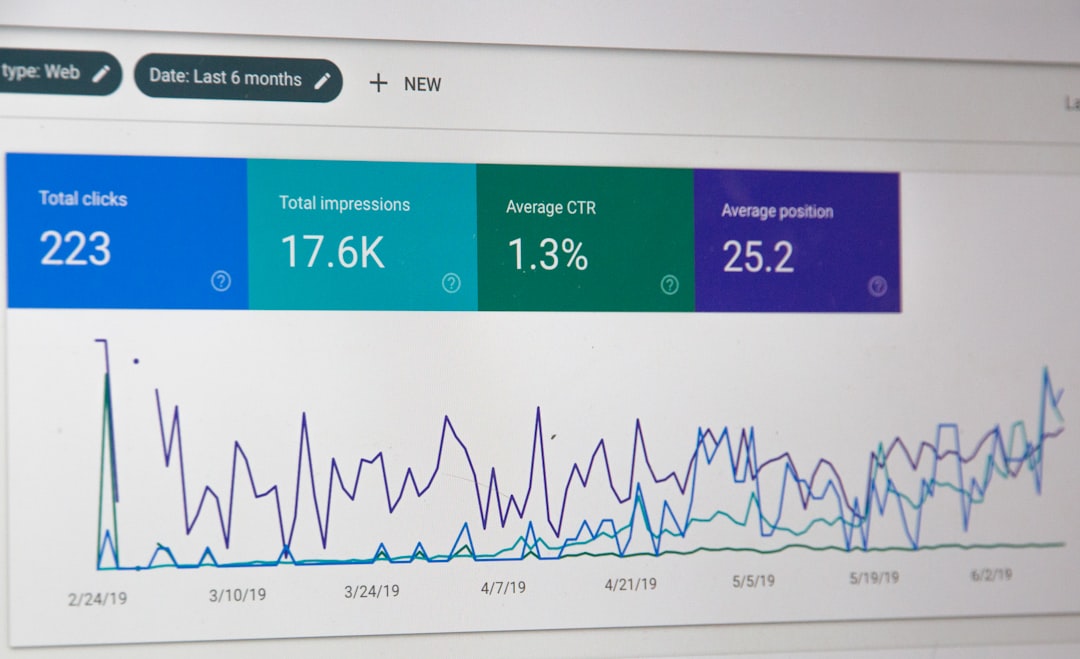
SEO involves large amounts of data, but data alone does not create strategy. Account managers must interpret performance trends, identify patterns, and separate meaningful insights from noise. For example, a ranking drop may be caused by seasonality, a site migration, a competitor push, or a search engine update. Knowing how to investigate is essential.
4. Project Management
SEO campaigns involve many moving parts: audits, content production, metadata updates, development tickets, outreach, reporting, and approvals. A strong SEO Account Manager keeps everything organized. They set timelines, follow up on tasks, remove blockers, and make sure deadlines do not quietly disappear.
5. Client Management
Managing accounts is not just about being friendly. It requires expectation-setting, prioritization, honesty, and confidence. Clients may want immediate results, but SEO is a long-term channel. The account manager must help them understand realistic timelines while still showing steady progress and value.
Important Tools SEO Account Managers Use
While tools vary by company, SEO Account Managers typically work with platforms that support analytics, tracking, research, and communication. Common tool categories include:
- Analytics platforms: Used to measure traffic, engagement, conversions, and user behavior.
- SEO research tools: Helpful for keyword analysis, competitor research, backlink monitoring, and site audits.
- Rank tracking tools: Used to monitor keyword visibility across locations and devices.
- Project management software: Essential for assigning tasks, tracking deadlines, and coordinating teams.
- Reporting dashboards: Used to present performance data in a clear and professional way.
The tool itself is less important than the manager’s ability to use it well. A dashboard full of charts is not valuable unless someone can explain what the numbers mean and what should happen next.
SEO Account Manager vs. SEO Specialist
Although the two roles often work closely together, they are not the same. An SEO Specialist usually focuses on execution and technical expertise. They may conduct audits, optimize pages, research keywords, fix issues, or build content strategies. An SEO Account Manager, on the other hand, focuses on strategy alignment, communication, campaign oversight, and client satisfaction.
In smaller teams, one person may handle both roles. However, in larger agencies, the separation helps improve efficiency. Specialists can focus on deep SEO work, while account managers ensure priorities, communication, and results stay connected.
Qualifications and Experience
Most SEO Account Manager job descriptions ask for experience in digital marketing, SEO, account management, or client services. A degree in marketing, communications, business, or a related field can help, but practical experience is often more valuable. Employers usually look for candidates who have managed campaigns, worked with analytics tools, and communicated directly with clients or stakeholders.
Typical requirements may include:
- Two or more years of experience in SEO or digital marketing
- Understanding of technical, on-page, and off-page SEO
- Experience with SEO and analytics platforms
- Strong written and verbal communication skills
- Ability to manage multiple accounts or projects at once
- Comfort presenting reports and recommendations to clients
What Makes a Great SEO Account Manager?
A great SEO Account Manager is proactive rather than reactive. They do not wait for clients to ask what is happening; they provide updates, flag risks, and suggest improvements before problems grow. They also know how to balance ambition with realism. SEO can produce powerful results, but it requires patience, consistency, and adaptation.
The best professionals in this role are curious. They follow search engine updates, test new approaches, learn from campaign data, and stay aware of changing user behavior. They also have emotional intelligence, because managing accounts means managing people, priorities, and sometimes pressure.

Sample SEO Account Manager Job Description
Job Summary: We are looking for an experienced SEO Account Manager to oversee client SEO campaigns, manage communication, coordinate internal teams, and deliver measurable organic growth. The ideal candidate understands SEO strategy, enjoys working with clients, and can translate performance data into clear recommendations.
Responsibilities:
- Manage SEO accounts and maintain strong client relationships
- Develop and support SEO strategies based on client goals
- Coordinate content, technical SEO, and outreach deliverables
- Analyze campaign performance and prepare regular reports
- Lead client calls and present insights, progress, and next steps
- Monitor SEO trends, competitor activity, and algorithm changes
Required Skills:
- Solid understanding of SEO best practices
- Excellent communication and presentation abilities
- Strong organizational and project management skills
- Ability to analyze data and recommend actions
- Experience managing multiple campaigns or client accounts
Final Thoughts
An SEO Account Manager plays a critical role in turning SEO expertise into business value. They keep campaigns organized, clients informed, and teams focused on the right priorities. For companies hiring this role, the ideal candidate is not just someone who understands search engines, but someone who understands people, goals, and growth. For professionals considering this career path, it offers a rewarding mix of strategy, communication, data, and problem-solving in one of the most important areas of digital marketing.