
Curated social content helps you publish consistently without forcing your team to create every post from scratch. Instead of staring at a blank content calendar every Monday, you collect useful posts, reports, expert opinions, customer questions, news, and community conversations, then share them with your own point of view. That mix keeps your channels active, useful, and human.
TLDR: Content curation supports consistent publishing by filling gaps between original posts while still giving your audience value. For example, a small B2B team that publishes three original posts per week could add two curated posts and increase its weekly output by 66% without doubling production time. If curated posts earn even 70% of the engagement of original posts, they still help maintain reach, trust, and visibility. The key is to add context, not just repost links.
Why consistent publishing is so hard
Most brands do not struggle because they have nothing to say. They struggle because content production is slow. A good original post may need research, writing, design, review, approval, and scheduling. That is a lot for one LinkedIn update, one Instagram carousel, or one short thread.
Then reality gets in the way. A campaign slips. A designer is busy. A founder forgets to approve the copy. Suddenly the brand page goes quiet for nine days. It drives me crazy that one missing asset can stall an entire week of publishing, but it happens all the time.
Curated content reduces that pressure. It gives your team a lighter way to show up. You are not replacing original thought. You are adding signals, references, and outside voices that support your message.
What curated social content actually means
Curated content is not random sharing. It is the careful selection of useful material from other sources, paired with your own comment, angle, or explanation.
Good curated social content can include:
- Industry reports with one key takeaway your audience should notice.
- Expert posts that support or challenge your brand’s view.
- Customer questions turned into short educational posts.
- News updates explained in plain language.
- Podcast clips or webinar moments that fit your audience’s interests.
- Community discussions that reveal common problems or fresh ideas.
The difference between curation and lazy reposting is context. A repost says, “Here is a link.” A curated post says, “Here is why this matters, who should care, and what to do with it.”
How curation supports a steady publishing rhythm
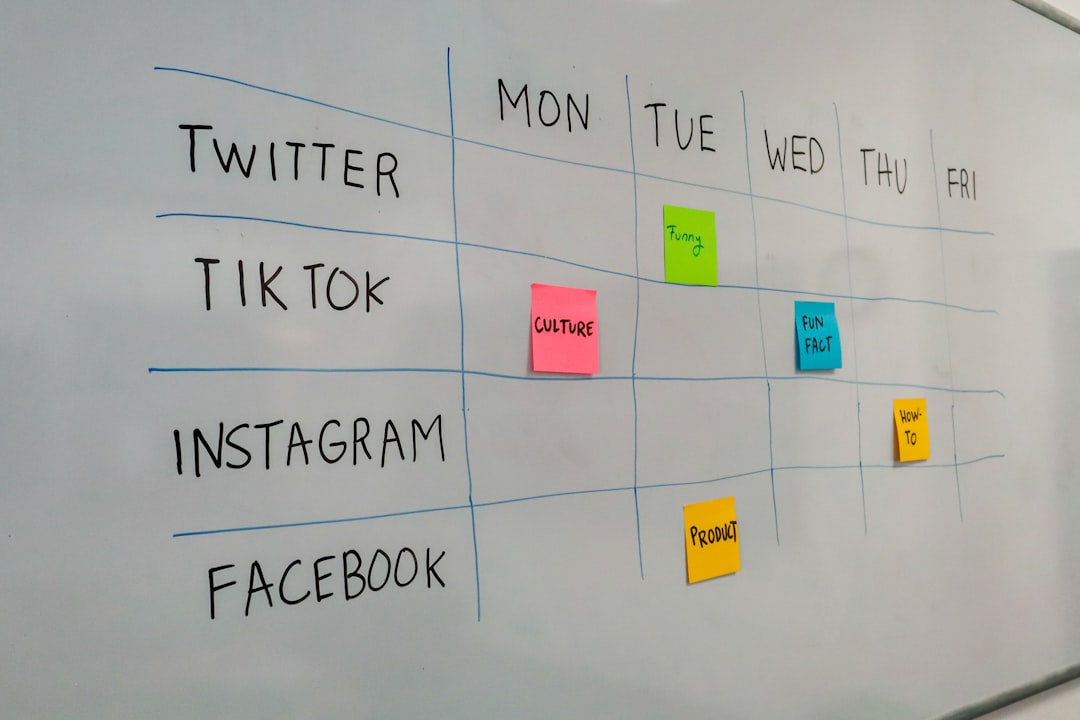
A strong social plan usually needs more than one type of post. If every update is a product announcement, people tune out. If every post is a deep original essay, your team burns out. Curation creates balance.
Think of your weekly content mix like this:
- 2 original posts: Thought leadership, case studies, product lessons, or educational content.
- 2 curated posts: Industry insights, expert commentary, useful resources, or trend reactions.
- 1 community post: Polls, questions, customer quotes, or comments from your audience.
This gives you five publishing moments without requiring five full production cycles. It also makes your feed feel less self-centered. You are not only talking about your own brand. You are helping people understand the bigger conversation around their work.
The value is in the point of view
Curated content works best when your brand adds a clear opinion. That does not mean being loud for attention. It means being useful.
For example, instead of posting:
“Interesting report on remote work trends.”
Try:
“This report says 58% of managers still measure productivity by hours online. That is a problem. For remote teams, output metrics are cleaner than presence checks. Start with response time, project completion, and customer impact.”
The second version gives readers something to think about. It also tells them what your brand values. That is how curation builds authority.

How to find strong content worth curating
Expect to waste time on weak sources if you do not build a simple system. Random browsing is not a strategy. It turns into 40 open tabs and no scheduled posts.
Start with a source list. Keep it small. You can always expand it later.
- 5 to 10 industry newsletters that publish useful data or commentary.
- 10 credible experts who post regularly on LinkedIn, X, YouTube, or niche forums.
- 3 research sources such as analyst reports, surveys, or trade publications.
- Customer-facing channels such as support tickets, reviews, sales calls, and community threads.
- Competitor feeds for awareness, not copying.
Review these sources once or twice a week. Save anything that fits your audience’s needs. Then sort each item into simple buckets: educational, news reaction, opinion, resource, or community insight.
A simple curation workflow
You do not need a huge process. You need a repeatable one. A lean workflow might look like this:
- Collect: Save links, screenshots, quotes, questions, and data points during the week.
- Filter: Remove anything outdated, thin, biased, or irrelevant to your audience.
- Add context: Write two to five sentences explaining why it matters.
- Credit clearly: Tag the source when appropriate and link to the original material.
- Schedule: Place curated posts between larger original posts to keep the feed active.
- Measure: Track saves, comments, clicks, shares, and follower growth.
This process can take less than two hours per week once the source list is set. For a small team, that is a practical trade. Two hours of curation can produce three to five solid posts.
What to measure beyond likes
Likes are easy to count, but they do not tell the whole story. Curated content often shines in saves, shares, and comments because it helps people understand a subject without doing the research themselves.
Track these metrics:
- Save rate: Are people keeping the post for later?
- Share rate: Is the post useful enough to send to a colleague?
- Comment quality: Are people adding real thoughts, not just emojis?
- Click through rate: Are people visiting the source or your related content?
- Follower growth: Are curated posts attracting the right audience?
Here is a practical benchmark. If your original posts average 100 engagements, a curated post that earns 60 to 80 engagements can still be a win. It took less time to create, kept the publishing rhythm intact, and added value to your audience.

Common curation mistakes to avoid
Bad curation can make a brand look careless. The most common mistake is sharing content without reading it fully. A headline may sound smart while the article says something your brand would never support.
Watch out for these problems:
- No original comment: A bare link feels empty and forgettable.
- Too many outside voices: Your feed should still sound like your brand.
- Poor source quality: Weak sources can damage trust fast.
- Late reactions: Old news posted too late feels stale.
- No clear audience fit: Interesting to you does not always mean useful to them.
A helpful rule: if you cannot explain why the post matters in one sentence, do not share it yet.
How curated content strengthens original content
Curation is not just a filler. It can feed your larger content plan. If a curated post about pricing strategy gets strong comments, turn that into a full article. If a shared report sparks questions, create a carousel answering them. If an expert opinion causes debate, host a short video response.
This is how social listening becomes content planning. Your curated posts act like small tests. They show you what your audience cares about before you spend days building a bigger piece.
Over time, your team can build a smarter publishing engine. Curated posts keep the feed alive. Original posts build your owned ideas. Community responses reveal what to create next. Together, they make consistency realistic instead of exhausting.
Build a practical curation habit
Start small. Pick two days per week for curated posts. Choose reliable sources. Add a strong point of view. Credit the original creator. Then watch the data.
The goal is not to publish more noise. The goal is to become a useful filter for your audience. When people trust your feed to save them time, they come back. That is the real power of curated social content: it helps you show up often, without lowering the quality of what you share.