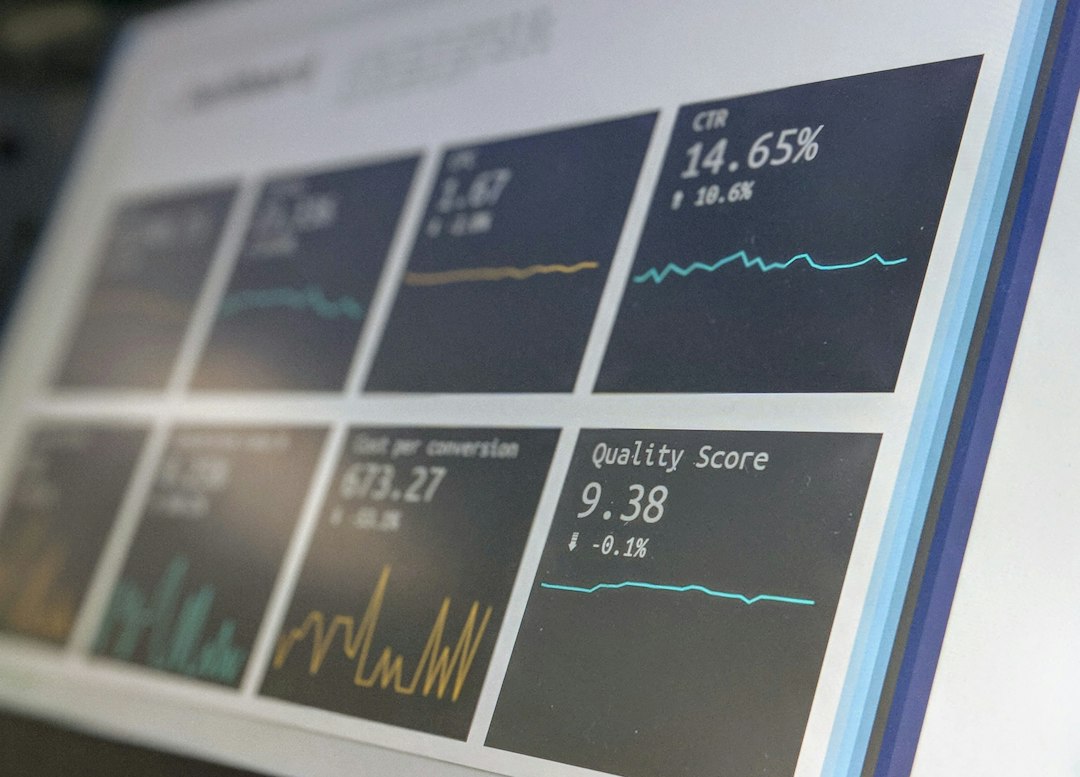
Use Earned Media Value as a direction signal, not a trophy number. The cleanest way to calculate it is simple: estimate reach, apply a fair CPM, then adjust for quality. Cision is often stronger for PR teams focused on media relations and traditional press. Meltwater is often better for teams that care about web, social, and quick reporting.
TLDR: Earned Media Value, or EMV, turns press coverage into a money-style estimate. A simple formula is: estimated impressions ÷ 1,000 × CPM × quality score. For example, if a campaign gets 500,000 estimated impressions, uses a $20 CPM, and has a 1.2 quality score, the EMV is $12,000. If Meltwater finds 18% more social mentions than Cision, but Cision finds 12 more trade articles, your best tool depends on what counts most for your team.
What Earned Media Value actually means
Earned Media Value is a way to estimate the dollar value of publicity you did not directly buy.
Think of it like this. If your brand gets mentioned in a magazine, blog, news site, podcast, or social post, that attention has value. EMV tries to price that attention.
But here is the tiny headache. EMV is not a bank balance. It is an estimate. Two tools can look at the same campaign and produce different numbers. Annoying? Yes. Useless? No.
EMV works best when you use it to compare campaigns, outlets, regions, and time periods.
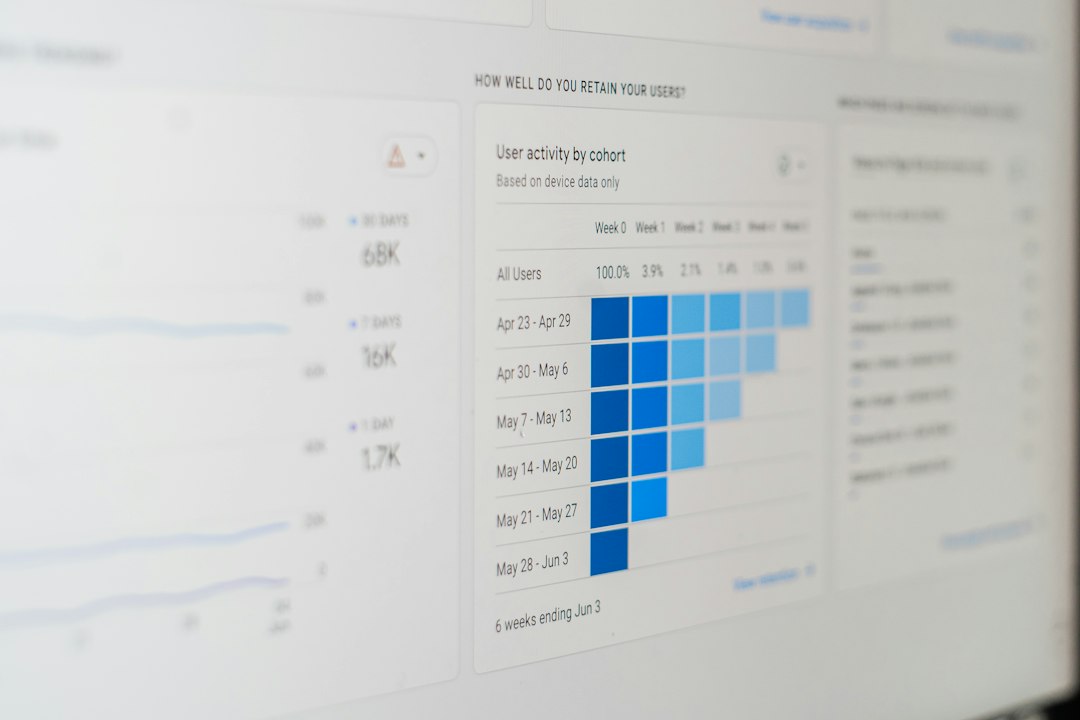
The simple EMV formula
Start with this basic version:
EMV = Estimated impressions ÷ 1,000 × CPM × quality multiplier
Let’s break that down.
- Estimated impressions: How many people may have seen the mention.
- CPM: Cost per 1,000 views if you had paid for similar exposure.
- Quality multiplier: A score that adjusts for sentiment, outlet quality, and message fit.
Here is a quick example.
- Estimated impressions: 250,000
- CPM benchmark: $18
- Quality multiplier: 1.1
250,000 ÷ 1,000 × $18 × 1.1 = $4,950 EMV
That is your estimated earned media value.
Do not skip the quality multiplier
This is where many EMV reports get silly.
A tiny mention in a huge outlet is not always better than a full feature in a niche trade journal. A neutral mention is not the same as glowing coverage. A crisis article should not count as a win just because it had reach.
Use a clear scoring system. Keep it boring. Boring is good here.
| Factor | Score idea | Example |
|---|---|---|
| Sentiment | 0.5 to 1.5 | Negative gets 0.5, positive gets 1.3 |
| Outlet relevance | 0.8 to 1.4 | Top industry site gets 1.4 |
| Message pull through | 0.7 to 1.3 | Includes key product message gets 1.2 |
| Prominence | 0.6 to 1.4 | Headline mention gets 1.4 |
Honestly, it feels like some reports treat every mention like a standing ovation. That is how EMV turns into confetti math. Do not do that.
Cision for earned media measurement
Cision is built with PR teams in mind. It is strong for media monitoring, journalist data, press outreach, and reporting across news sources.
It tends to fit teams that need proof from traditional earned media. Think newspapers, trade media, broadcast, and online news.
Cision can help calculate EMV by:
- Tracking press mentions across large media databases.
- Estimating reach or audience size.
- Tagging coverage by campaign, outlet, region, or topic.
- Adding sentiment and message analysis.
- Exporting coverage reports for clients or execs.
The nice part is structure. Cision feels like it was made for PR reporting workflows. You can build tidy coverage lists. You can slice results by outlet type. You can show the boss which journalists actually moved the room.
The less fun part? Some setups can feel heavy. Expect to waste time on filters if your search terms are messy. A broad brand name can pull in junk. Then someone has to clean it. Lucky you.
Meltwater for earned media measurement
Meltwater is strong for media intelligence, social listening, and fast dashboards. It is often a better fit for brands that want one view of news, blogs, forums, and social chatter.
Meltwater can help calculate EMV by:
- Tracking online news, social posts, blogs, and more.
- Estimating reach, engagement, and content spread.
- Building dashboards by campaign and topic.
- Comparing share of voice against competitors.
- Spotting spikes in mentions quickly.
Meltwater shines when the story moves fast. If your product launch starts trending on social, you can see the ripple sooner. That is handy when marketing, PR, and social teams all want answers before lunch.
It drives me crazy that dashboards can look polished while still hiding messy inputs. Pretty charts do not fix bad search terms. If your query is weak, the EMV number will be wobbly.
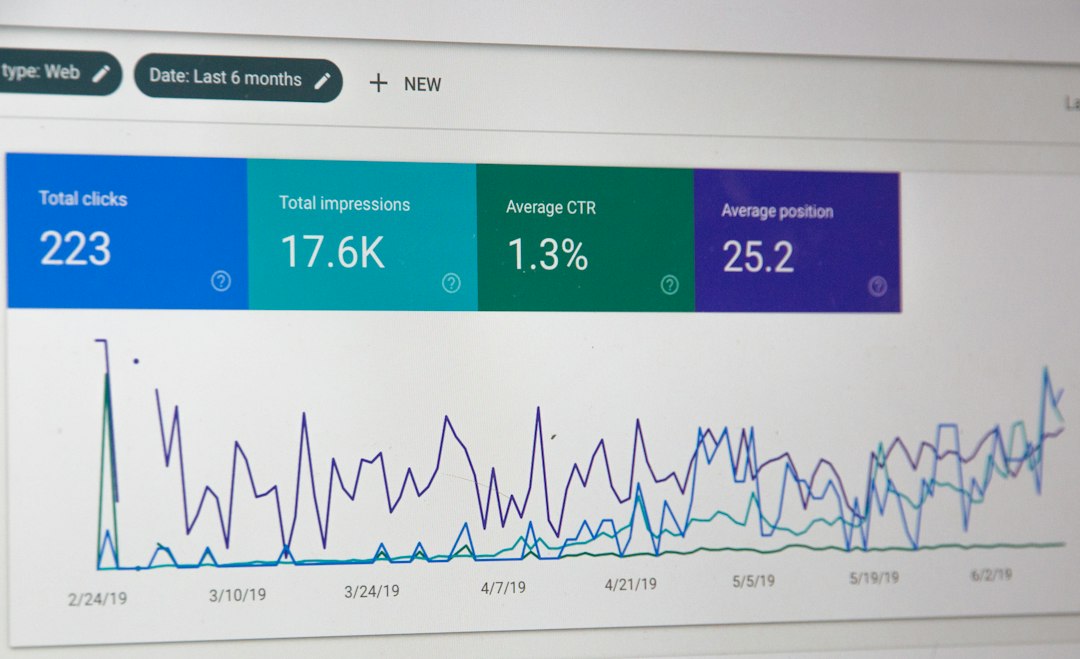
Cision vs Meltwater: which gives better EMV?
Neither tool gives the “true” EMV. That number does not exist. They give estimates based on data sources, reach models, CPM assumptions, and scoring rules.
| Need | Better fit | Why |
|---|---|---|
| Traditional PR reporting | Cision | Strong press tracking and media relations features. |
| Social and online buzz | Meltwater | Good for fast listening and broad web signals. |
| Journalist outreach plus reporting | Cision | Media database and PR workflow support. |
| Competitor share of voice | Meltwater | Useful dashboards and tracking across channels. |
| Executive campaign reports | Both | Depends on setup, tagging, and cleanup. |
A practical user case
Say a B2B software company launches a new AI feature. The PR team uses Cision. The brand team uses Meltwater.
After 30 days, they compare results.
- Cision: 64 media mentions, 1.8 million estimated impressions, $42,000 EMV.
- Meltwater: 91 mentions, 2.4 million estimated impressions, $48,500 EMV.
At first, Meltwater looks better. Bigger number. More sparkle.
But the team checks quality. Cision captured 14 high-value trade articles. Meltwater captured more social posts and smaller blogs. Both are useful. They just answer different questions.
The final report says:
- Trade media impact: Cision data leads.
- Digital buzz: Meltwater data leads.
- Best EMV estimate: blended report, with duplicate mentions removed.
How to calculate EMV in either tool
Use the same process in Cision or Meltwater.
- Set your campaign dates. Use launch date through end date.
- Build clean search terms. Include brand, product, spokespeople, and common misspellings.
- Remove junk mentions. Delete irrelevant results and duplicates.
- Group by channel. News, trade, broadcast, blog, social, and podcast.
- Apply CPM benchmarks. Use different CPMs for different channels.
- Add quality scores. Include sentiment, relevance, prominence, and message pull through.
- Report ranges. Show low, mid, and high estimates.
A simple CPM setup could look like this:
- Online news: $15 to $30 CPM
- Trade media: $25 to $60 CPM
- Broadcast: $10 to $25 CPM
- Social posts: $5 to $20 CPM
The best way to present EMV
Do not show one giant number with jazz hands. Show context.
Use this format:
- Total EMV: $58,000
- Estimated reach: 3.1 million
- Positive sentiment: 72%
- Key message inclusion: 46%
- Top channel: Trade media
- Best outlet by quality: IndustryWeek, score 1.4
This gives people something useful. The CFO sees value. The PR team sees what worked. The content team sees which messages landed.
Final pick: Cision or Meltwater?
Pick Cision if your earned media program is press-heavy. It is a solid fit for PR teams that care about journalists, outlets, clippings, and formal reporting.
Pick Meltwater if your brand needs broader listening. It is strong when social posts, online chatter, competitors, and speed matter.
For the best EMV calculation, use either tool with the same rules every time. Clean the data. Set fair CPMs. Score quality. Then compare trends, not just totals.
That is the real win. Not a giant EMV number. A clear view of which coverage actually helped the brand.