Use Semrush to strengthen the sources AI search engines quote, and use Brand24 to measure what people say about your brand before those systems repeat it. AI search is already changing discovery: Gartner predicts search engine volume will fall by 25% by 2026 due to AI chatbots and virtual agents [source: Gartner]. That means brand reputation is no longer only about ranking on page one. It is about being described correctly, cited often, and mentioned with trust across credible places.
TLDR
Semrush is better for improving the search assets that AI tools may cite, while Brand24 is better for tracking live brand perception across social, news, blogs, podcasts, forums, and reviews. A practical setup is to use Semrush for keyword visibility, backlinks, competitor gaps, and content audits, then use Brand24 for sentiment, mention spikes, and crisis alerts. For example, a SaaS company could track 40 priority queries in Semrush and 1,500 monthly brand mentions in Brand24; if negative sentiment rises from 8% to 18%, the PR team can react before AI summaries start reflecting that narrative. If budget allows, use both. If not, choose based on the weakest part of your brand visibility.
Why AI Search Changes Brand Reputation Work
AI search engines such as Google AI Overviews, Perplexity, Bing Copilot, and ChatGPT-style assistants often rewrite answers instead of listing blue links. They may mix official website copy, third-party reviews, news articles, Reddit threads, comparison pages, videos, and knowledge graph data. If those inputs are outdated or hostile, the answer can hurt your brand.
The work is not “AI SEO” in isolation. It is entity trust management. Your brand needs clean signals across the web:
- Consistent facts: name, category, founders, pricing, locations, products, and core claims.
- Credible citations: high-quality mentions from respected publishers and industry sites.
- Positive context: reviews, comparisons, case studies, and expert commentary.
- Fresh content: pages that answer buyer questions clearly and get updated.
- Low-risk sentiment: no ignored complaint patterns spreading across public channels.
Semrush: Strong for Search Visibility and Citation Readiness
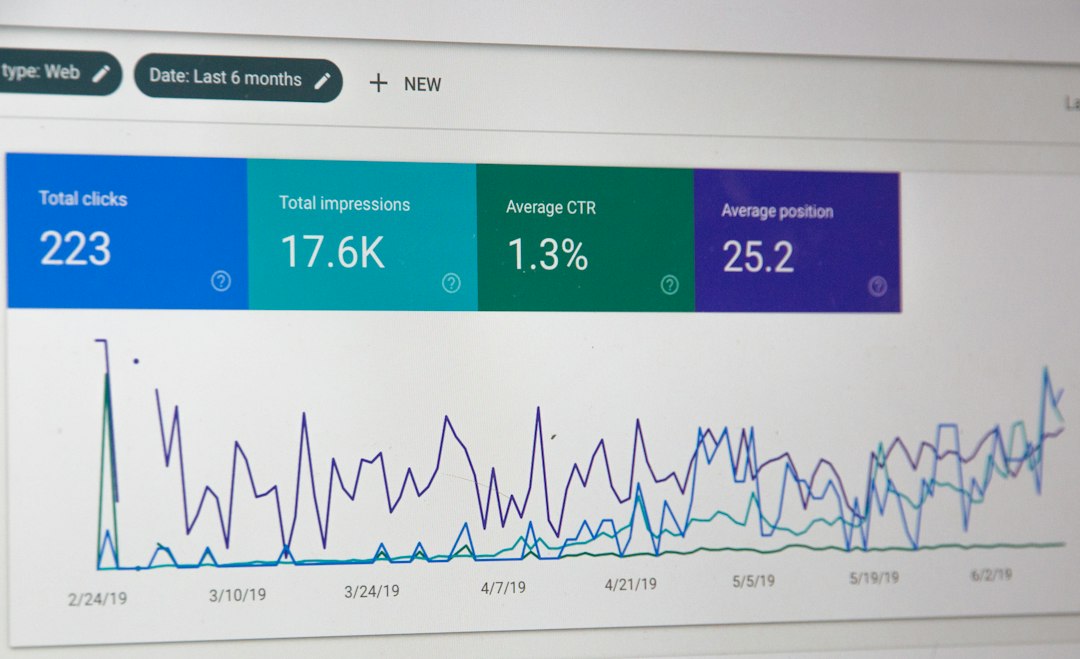
Semrush is best when your main problem is weak discoverability in search. It helps you see what your brand ranks for, which competitors own valuable queries, and which pages need improvement. For AI search, this matters because many AI answers still pull from pages with strong organic visibility, structured information, and links.
Use Semrush to improve:
- Branded search control: Track queries such as “your brand reviews,” “your brand pricing,” and “your brand alternatives.”
- Non-branded authority: Build content for category questions that AI tools are likely to answer.
- Backlink quality: Find trusted domains that mention competitors but not you.
- Content gaps: Identify missing pages that explain use cases, integrations, pricing logic, security, and comparisons.
- Technical SEO: Fix indexing, crawl, schema, and page quality issues.
The irritating part is that Semrush can feel heavy if your only goal is reputation monitoring. Expect to waste time moving between projects, keyword tools, backlink reports, and brand monitoring screens. It is powerful, but not always quick. For a PR manager who needs a same-day alert about a viral complaint, Semrush is not the cleanest option.
Brand24: Strong for Reputation Signals and Early Warnings
Brand24 is best when your main risk is what people are saying about you. It tracks mentions across public web sources and groups them with sentiment, reach, influencers, and discussion volume. That makes it useful for spotting the narratives that AI systems may later absorb.
Use Brand24 to improve:
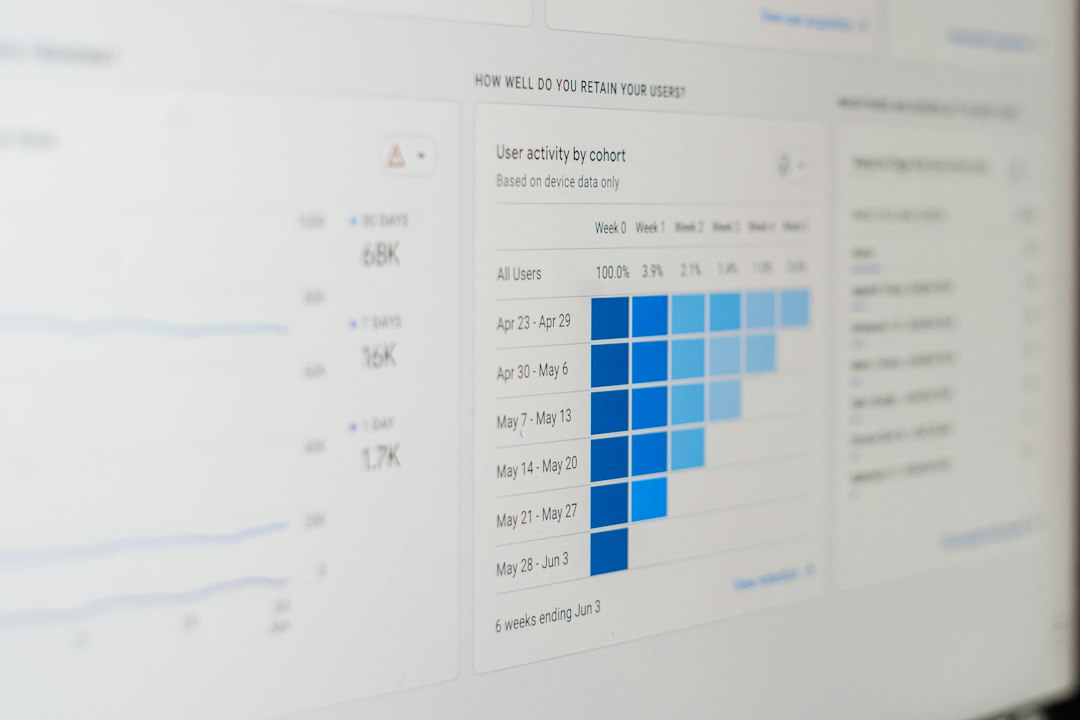
- Sentiment tracking: See whether positive, neutral, or negative mentions are rising.
- Crisis detection: Get alerts when mention volume spikes above normal levels.
- Source discovery: Find forums, blogs, and creators shaping brand perception.
- Competitor reputation checks: Compare your share of voice against rivals.
- Customer language: Learn the words real buyers use when describing your brand.
Brand24 is easier than Semrush for fast reputation checks. It is built for listening. Still, it has limits. It will not replace a site audit, backlink plan, or content strategy. Honestly, it feels like the tool tells you what people think, but then you still need another system to fix why your brand is not being cited enough.

Semrush vs. Brand24: Which Tool Helps AI Visibility More?
| Need | Better Tool | Why It Matters for AI Search |
|---|---|---|
| Improve ranking pages | Semrush | AI engines often cite strong, clear, crawlable pages. |
| Monitor public sentiment | Brand24 | Negative narratives can shape AI-generated summaries. |
| Find backlink gaps | Semrush | Authoritative mentions help confirm brand credibility. |
| Detect brand crises | Brand24 | Early alerts help you respond before issues spread. |
| Build content plans | Semrush | Content gaps reduce your chance of being quoted. |
| Track share of voice | Both | Search visibility and public discussion both count. |
A Serious Workflow for Better AI Search Reputation
Start with visibility. In Semrush, create a project for your brand. Track branded queries, product terms, review terms, and comparison terms. Add competitors. Review the top-ranking pages for the questions buyers ask before choosing a provider.
Then check perception. In Brand24, monitor your brand name, product names, executive names, common misspellings, competitor names, and phrases linked to complaints. Set alerts for sharp jumps in negative sentiment or mention volume.
Next, fix the weak signals:
- Clean your owned assets. Update About, product, pricing, FAQ, reviews, security, contact, and comparison pages.
- Add structured data. Use Organization, Product, FAQ, Article, and Review schema where appropriate.
- Publish answer-first content. Use direct headings and short answers that AI systems can quote.
- Earn neutral third-party mentions. Prioritize respected directories, trade media, analyst pages, expert roundups, and review sites.
- Respond to recurring criticism. If people complain about billing, onboarding, support, or delivery, fix the root issue and publish clear updates.

What to Measure
Do not judge AI visibility by one vanity metric. Track a small group of numbers every month:
- Share of voice: Your mentions versus competitors.
- Sentiment ratio: Positive, neutral, and negative mention trends.
- Branded query rankings: Especially reviews, alternatives, pricing, and complaints.
- Referral sources: Which third-party pages send qualified traffic.
- AI answer presence: Manual checks in Google AI Overviews, Perplexity, Bing Copilot, and other tools.
- Citation quality: Whether AI tools cite your site, trusted media, or weak sources.
Which One Should You Choose?
Choose Semrush if your website has thin content, weak rankings, poor backlinks, or low authority in your category. It is the stronger tool for controlled improvement. It helps you build pages and signals that AI search engines can recognize as useful.
Choose Brand24 if your brand already has visibility but suffers from unclear, negative, or fast-moving discussion. It is the stronger tool for reputation defense. It helps you spot issues before they become the version of your brand that AI repeats.
For most serious teams, the better answer is not Semrush or Brand24. It is Semrush for authority, Brand24 for perception. AI search visibility depends on both. You need to be easy to find, easy to understand, and hard to misrepresent.