
Food delivery apps now win by being clear, quick, and oddly good at knowing when you want tacos. Global online food delivery revenue is projected to pass $1.4 trillion in 2025 [source: Statista]. That is a lot of pizza, sushi, curry, and “I forgot to buy groceries” dinners.
TLDR: The best food delivery apps make ordering feel easy, not like a tiny project. DoorDash, Uber Eats, Grubhub, Deliveroo, Just Eat Takeaway.com, Instacart, and Gopuff are changing how people shop for meals and groceries online. For example, a couple ordering dinner twice a week at $35 per order could spend about $3,640 a year before fees and tips. Saving even 10% by comparing apps can keep around $364 in their pocket.
Why Food Delivery Apps Matter So Much
Ordering food used to be simple. You called a place. You hoped they heard you right. Then you waited.
Now you tap, scroll, track, rate, and reorder. You can get noodles, cold medicine, snacks, flowers, or dog food. All from one couch.
The magic is not just delivery. It is choice. It is payment saved in the app. It is seeing the driver on a map. It is ordering the same burrito in eight seconds.
Honestly, it feels like the fee screen is where joy goes to stretch and die. A $14 sandwich can become $23 very fast. Still, people keep using these apps because the comfort is hard to beat.

1. DoorDash
DoorDash is huge in the United States. It works with restaurants, grocery stores, pet shops, and convenience stores.
Its biggest strength is coverage. In many towns, DoorDash has more local options than rivals. That matters when you want Thai food, not a sad sandwich.
- Best for: restaurant choice and suburban coverage
- Nice touch: DashPass can cut delivery fees for regular users
- Annoyance: service fees can still surprise you at checkout
2. Uber Eats
Uber Eats feels familiar because many people already use Uber. The app is clean. Tracking is simple. Offers appear often.
It also works well when you travel. Open the app in another city, and things still feel normal. That is useful when you are tired in a hotel and just want noodles.
- Best for: travelers and city users
- Nice touch: strong live tracking
- Annoyance: promo codes can vanish when you actually need them
3. Grubhub
Grubhub has been around for a long time. It is strong in many U.S. cities. It also connects well with restaurants that offer their own deals.
The app is not always the flashiest. But it is practical. It gets the job done.
- Best for: restaurant takeout and local deals
- Nice touch: easy pickup ordering
- Annoyance: some menus look messy or out of date
4. Deliveroo
Deliveroo is popular in the UK and other markets. It focuses on fast restaurant delivery and premium food options.
It also helped make “restaurant food at home” feel normal. Not just pizza. Real meals. Fancy burgers. Ramen. Breakfast. Dessert at 10 p.m. No judgment.
- Best for: city dining and higher quality restaurant options
- Nice touch: Deliveroo Plus for frequent orders
- Annoyance: busy times can bring higher prices and longer waits

5. Just Eat Takeaway.com
Just Eat Takeaway.com is a major name across Europe and beyond. It connects customers with many local restaurants.
Its strength is scale. In some places, it feels like the default food ordering app. That makes it powerful for small restaurants that want online orders without building their own system.
- Best for: local restaurants and European markets
- Nice touch: lots of neighborhood options
- Annoyance: the experience can vary a lot by country or city
6. Instacart
Instacart is not just about dinner. It is about groceries. That changes the whole game.
You can order milk, fruit, frozen meals, chips, diapers, and shampoo. A shopper picks the items. Then they deliver them.
This is great for busy homes. It is also helpful for older adults, parents, and anyone who hates dragging heavy bags upstairs.
- Best for: weekly groceries and family basics
- Nice touch: item replacements and shopper chat
- Annoyance: replacements can get weird; nobody asked for banana yogurt instead of plain Greek yogurt
7. Gopuff
Gopuff is built for quick needs. Think snacks, drinks, ice cream, phone chargers, and basic home goods.
It uses local micro-fulfillment centers in many areas. That means items often come from Gopuff’s own nearby stock, not a random store shelf.
- Best for: late-night snacks and small essentials
- Nice touch: fast delivery for simple orders
- Annoyance: smaller selection than big grocery apps
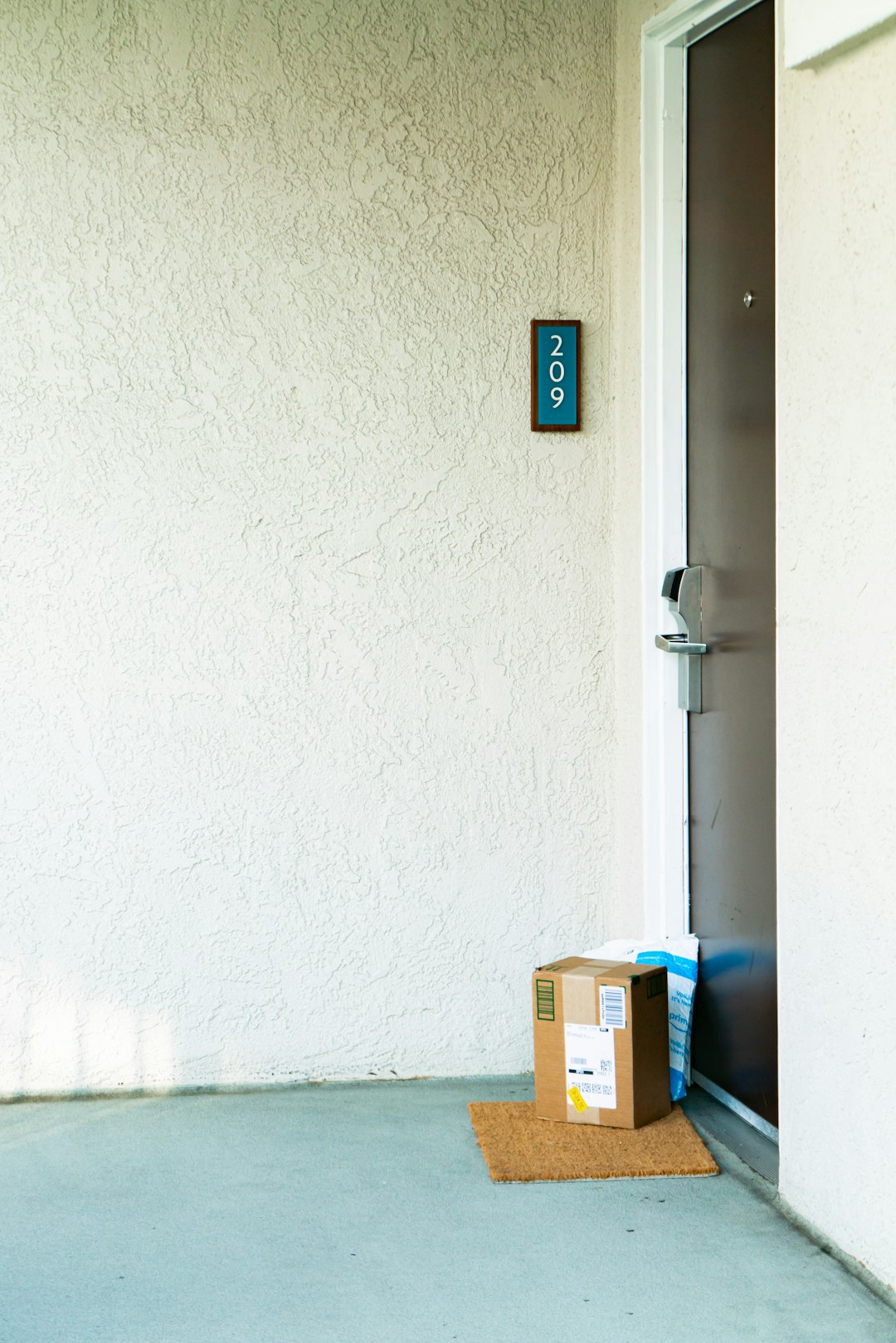
What These Apps Are Really Changing
Food delivery apps do more than move meals. They change habits.
- Customers compare prices faster. One burger can have different totals across apps.
- Restaurants get found online. A tiny noodle shop can reach new customers.
- Delivery is now part of daily life. It is not just for parties.
- Groceries and meals are blending. Dinner and dish soap can arrive in the same hour.
Businesses can learn from this too. Clear menus, fast checkout, and good tracking matter in many fields. The same idea shows up in course delivery, where people want simple access and fewer clicks.
How To Pick The Right App
Use more than one app. Yes, it is annoying. But it helps.
Check the total before you order. Not the menu price. The final price. That includes delivery, service fees, taxes, and tip.
Here is a simple rule:
- For restaurants: try DoorDash, Uber Eats, Grubhub, Deliveroo, or Just Eat.
- For groceries: try Instacart.
- For snacks and quick basics: try Gopuff.
- For savings: compare at least two apps before tapping order.
The best app is not always the biggest one. It is the one that gets your food right, keeps fees fair, and does not make you tap through five screens just to buy fries.