
Plastic bags have been a hot topic for years, but by 2025, they’ve become a central focus in the global effort to reduce pollution, protect environments, and influence consumer habits. From sweeping bans to high-stakes lawsuits and the alarming spread of microplastics, here’s what you need to know about the status of plastic bags in 2025.
The Global Push for Plastic Bag Bans
Over the last decade, countries around the world have introduced and enforced bans on single-use plastic bags. In 2025, this movement is stronger than ever:
- More than 90 countries have implemented full or partial bans on plastic bags.
- Major cities like Paris, New York, and Mumbai have seen success with stricter enforcement and public education campaigns.
- Corporate responsibility is on the rise, with supermarkets and retailers promoting reusable alternatives.
The shift away from plastic bags is driven by growing environmental awareness—and an increasing body of science showing their long-term environmental impact. Nations are recognizing that reducing plastic use is no longer optional, but a necessity.
Legal Battles Over Plastic
However, this transition hasn’t been without conflict. In some regions, plastic bag manufacturers and industry groups have pushed back—hard. In 2025, several key lawsuits have made headlines:
- California vs. Plastic Manufacturers: Multiple companies sued the state, claiming new plastic restrictions are unconstitutional and detrimental to workers in the packaging sector.
- South African Plastics Council Case: In a surprising twist, the nation’s highest court upheld a comprehensive bag ban, overruling opposition from industry players.
- Local Retail Group vs. City of Toronto: A business coalition attempted to overturn city-wide penalties for offering plastic bags, citing consumer inconvenience.
So far, courts have tended to side with governments, confirming the authority of cities and states to regulate items that directly impact the environment and public health. The outcomes of these battles could set global precedents in the years ahead.
The Hidden Danger: Microplastics in Plastic Bags
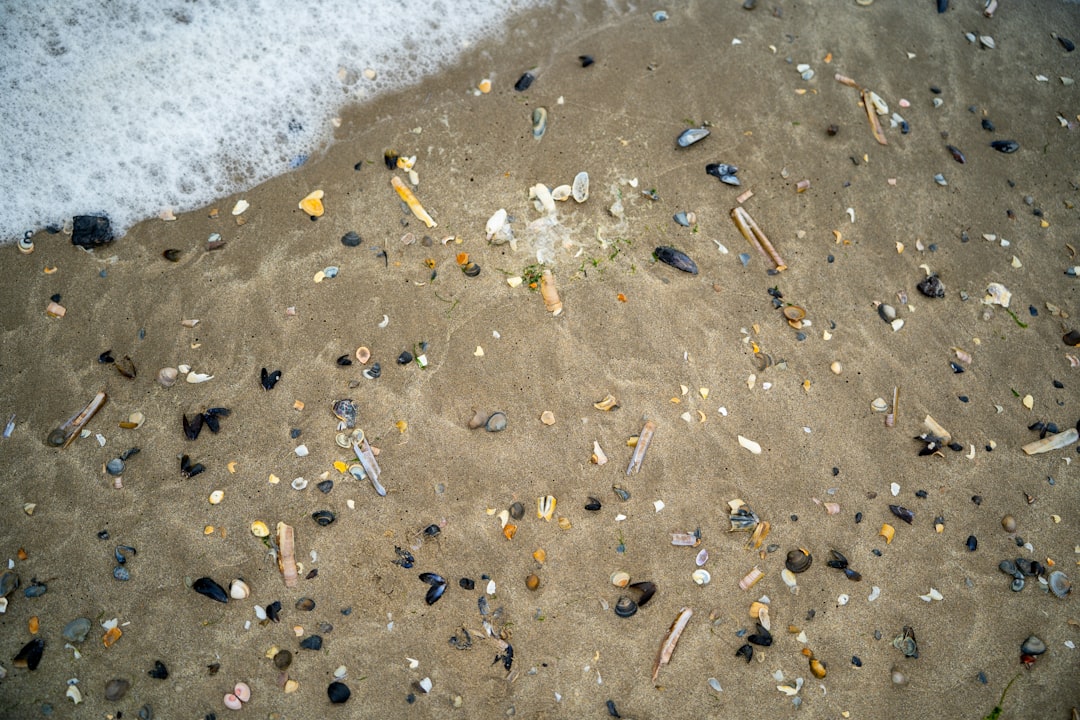
While the visual clutter of plastic bags is obvious—blowing down streets or washing up on beaches—their presence at the microscopic level is even more concerning. By 2025, scientists have further uncovered how plastic bags break down into microplastics, tiny particles that often go undetected yet pose enormous health risks.
Recent research indicates:
- Microplastics from plastic bags are commonly found in food and drinking water.
- These particles can breach the blood-brain barrier in animals, raising concerns about human exposure.
- Fish and marine life mistake microplastic particles for food, disrupting oceanic food chains.
Additionally, biodegradable and compostable alternatives aren’t necessarily a perfect fix. Many of these products still shed microplastics under certain environmental conditions. Addressing microplastic contamination also means re-thinking our entire approach to materials and consumption.
What Consumers Can Expect in 2025
For the average shopper, the experience of navigating plastic regulation in 2025 has changed dramatically:
- Major store chains charge extra—or refuse to offer—plastic bags entirely.
- Reusable bags are increasingly high-tech, with anti-bacterial linings and smart-chipped barcodes for in-store discounts.
- Public campaigns encourage “Bring Your Own Bag” culture, now common in many places worldwide.
Despite early resistance, most consumers have adapted—and some even welcome the shift. A 2025 global survey showed that 79% of people support single-use plastic bans and would willingly switch to sustainable alternatives.
The Road Ahead
Plastic bags in 2025 serve as a powerful symbol in our environmental journey. Their dramatic fall from daily staple to environmental outlaw reflects a broader reckoning with plastic overuse. As science uncovers more about their long-term harm and technologies offer new paths forward, our relationship with plastic continues to evolve.
Whether through legal rulings, innovation, or public action, the trajectory is clear—2025 is shaping up as a pivotal year in uniting global efforts to reduce plastic pollution.