
In the rapidly evolving digital workplace, businesses across the United States are increasingly invested in leveraging electronic employee monitoring solutions. These tools offer enhanced visibility into productivity, security compliance, and operational efficiency. However, with growing scrutiny on data privacy and workplace ethics, companies must select monitoring platforms that deliver both functionality and compliance. This article explores the top electronic employee monitoring solutions available for U.S. businesses today, highlighting notable features, key benefits, and vital compliance considerations.
Why Companies Use Employee Monitoring Software
Electronic monitoring tools help businesses manage a hybrid or remote workforce more effectively. They serve several critical purposes:
- Track productivity and time management
- Identify workflow inefficiencies and bottlenecks
- Ensure cybersecurity and prevent data leaks
- Maintain compliance with internal and regulatory policies
When implemented with transparency and within legal guidelines, these tools can foster trust and measurable outcomes.
Top Employee Monitoring Solutions in the U.S.
Here are five leading platforms businesses in the U.S. can adopt to monitor employee activity while ensuring high standards of fairness and data protection:
1. Teramind
Teramind is an all-encompassing employee monitoring software designed for enterprises seeking advanced analytics and real-time monitoring capabilities. It is widely used in regulated industries such as finance, legal, and health care.
Key Features:
- Live screen recording and playback
- Keystroke logging and file tracking
- Automated behavior rules and alerts
- Comprehensive risk analysis dashboards
Benefits: Teramind excels in insider threat detection, aiding organizations in managing data loss prevention while enhancing accountability.
2. ActivTrak
ActivTrak is a robust monitoring solution tailored for productivity analysis. Designed with a user-centric approach, ActivTrak balances oversight with respect for employee autonomy.
Key Features:
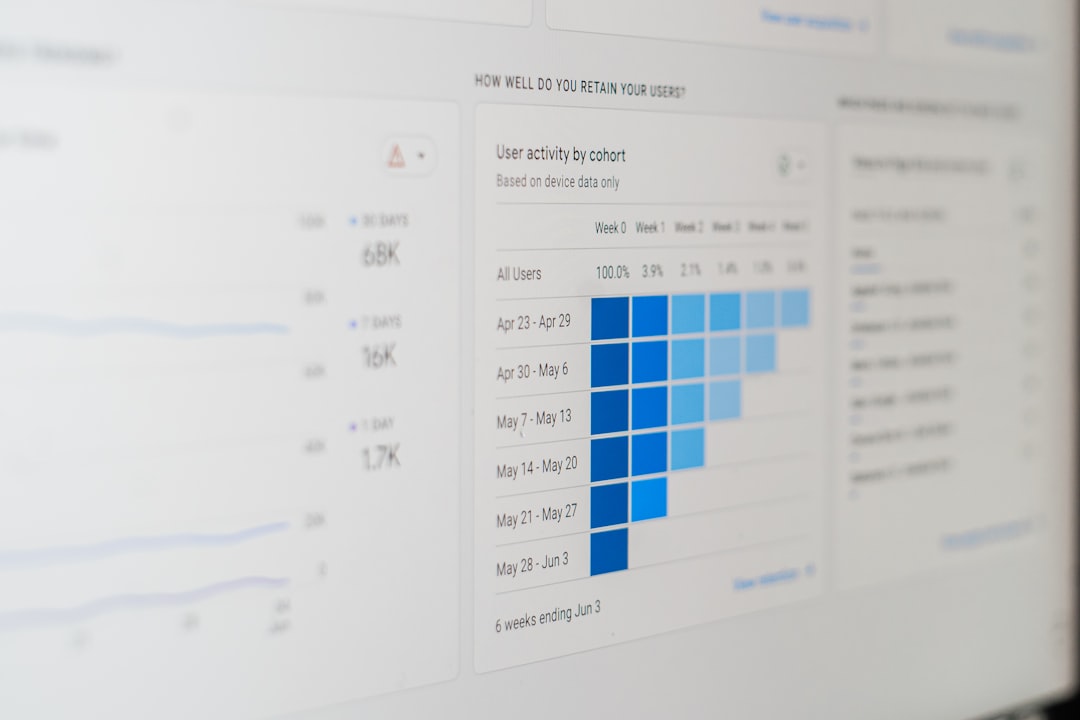
- Real-time activity reports and dashboards
- Application and website tracking
- Team productivity benchmarking
- Remote work monitoring tools
Benefits: It provides visual insights that help managers foster a well-balanced, productive workforce, particularly in remote work environments.
3. Hubstaff
Hubstaff is a time tracking and monitoring tool ideal for distributed teams and service professionals. In addition to its monitoring features, Hubstaff emphasizes project management and workforce scheduling.
Key Features:
- Automated time tracking and timesheets
- Optional GPS location tracking
- Payroll integration
- Screenshot capture settings
Benefits: Hubstaff facilitates easy invoicing and payroll management, making it a practical solution for service-based organizations and agencies.
4. Insightful
Insightful (formerly known as Workpuls) is a real-time performance and attendance tracking software built with scalability in mind. It suits startups and growing enterprises alike.
Key Features:
- Automatic time mapping
- Remote attendance tracking
- AI-driven productivity scoring
- Manual and automatic monitoring modes
Benefits: With AI-enhanced features, Insightful enables businesses to delve deeper into data analytics without sacrificing employee trust or work flexibility.
5. SentryPC
SentryPC offers a blend of employee monitoring, content filtering, and time management suited for small to medium-sized businesses.
Key Features:
- Keyword alerts and screenshot logging
- Website and application blocking
- Device usage scheduling
- User behavior filtering
Benefits: SentryPC allows employers to enforce acceptable use policies while maintaining control over how, when, and where employees use company devices.
Legal Compliance and Ethical Use
The deployment of electronic monitoring systems in the workplace must adhere to federal and state regulations in the United States. Here are essential tips to stay compliant while maintaining ethical integrity:
1. Transparency and Consent
Inform employees that monitoring tools are in use, and preferably obtain written acknowledgement. Transparent communication about what is being monitored fosters trust and reduces the risk of legal conflict.
2. Respect for Privacy
Avoid monitoring non-work-related activity, particularly on personal devices. Many laws stipulate that employees have a right to privacy depending on context, so organizations should frame their monitoring scope clearly.
3. Adherence to State Laws
Some states, like California and Connecticut, require clear notice before any electronic surveillance. U.S. businesses operating across multiple states must ensure their monitoring policies comply with all applicable jurisdictions.
4. Data Security and Retention
Personal and behavioral data collected through monitoring software must be stored securely. Limit access to approved administrators and dispose of recordings or logs in accordance with your company’s data retention policies.
Benefits of Using Monitoring Solutions Responsibly
When integrated ethically and effectively, electronic employee monitoring solutions yield immense benefits:
- Improved productivity: Managers can identify top performers and areas needing support or training.
- Enhanced flexibility: Remote and hybrid work becomes more measurable, encouraging better work-life balance.
- Security assurance: Monitoring can detect unauthorized access and flag data misuse early on.
- Employee engagement: Analytics offer insights into workloads and help prevent burnout.
Implementation Best Practices
The success of any monitoring program largely depends on its implementation. Here’s how to roll out monitoring software effectively:
- Define your goals: Be clear on whether you’re tracking productivity, detecting risks, or complying with policies.
- Select the right software: Choose based on your specific business needs, size, and data sensitivity.
- Engage stakeholders: Collaborate with HR, legal, and IT teams to develop a compliant framework.
- Educate your workforce: Train employees on what is monitored, why it’s necessary, and how data will be used.
- Review regularly: Monitor your monitoring. Adjust as needed to ensure it serves both business and employee well-being.
Conclusion
Electronic employee monitoring solutions are not just tools for oversight—they’re essential systems that help businesses thrive in a modern, often remote, rhythm of work. When used transparently and ethically, these technologies can enhance performance, security, and regulatory compliance. By carefully choosing the right platform and aligning it with a well-considered policy, U.S. businesses can stay ahead in both productivity and responsibility.