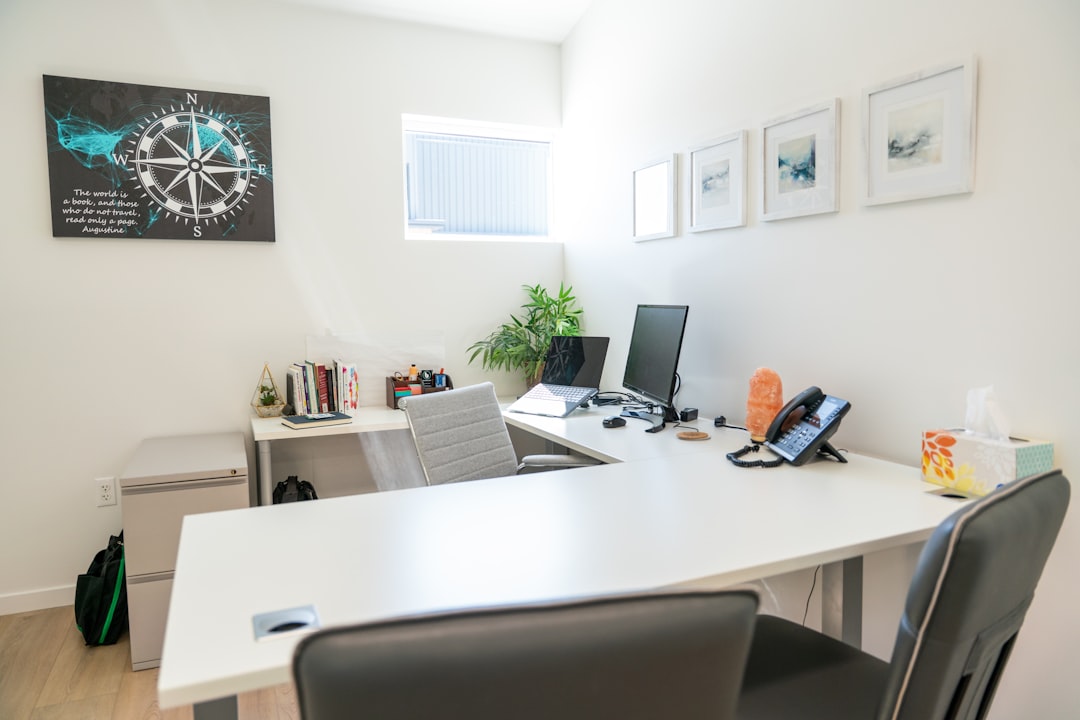
The way people work is undergoing a seismic shift, driven by technological innovation, changing workforce preferences, and a growing emphasis on flexibility. At the heart of this transformation lies the dramatic rise of the flex space network—a revolutionized approach to workspace solutions that blends the best of traditional office infrastructure with the dynamic demands of today’s hybrid economy.
From startups seeking budget-friendly alternatives to large enterprises embracing hybrid work models, flex spaces—also known as flexible office spaces—are becoming the go-to choice. As we approach 2025, this trend is only expected to grow stronger, fueled by evolving business needs and an increasingly mobile workforce.
What is a Flex Space Network?
A flex space network refers to a decentralized web of office locations—usually offered by shared office providers—that companies and individuals can access on demand. These workspaces are not fixed, meaning users can choose from a variety of locations, layouts, and durations of use, whether on a monthly, daily, or even hourly basis. Think of it as the workspace equivalent of a streaming service—accessible, customizable, and scalable.
Providers in this sector range from global giants like WeWork and IWG to smaller, niche operators offering boutique co-working experiences across cities. The key advantage is location flexibility and on-demand access, often supported by digital platforms or apps.

Key Trends Driving the Rise of Flex Space Networks
Several trends are fueling the momentum behind these innovative workspace solutions. As we head into 2025, here are some of the most prominent:
- Hybrid Work Becoming the Norm: Companies across sectors are adapting hybrid models, allowing employees to split time between home, the office, and remote locations. Flex spaces accommodate this flexibility with ease.
- Workplace Decentralization: Rather than investing in a single large headquarters, many companies are opting to decentralize their offices by tapping into flex space networks across different locales.
- Cost Efficiency: Flex office solutions eliminate long-term lease obligations, allowing businesses to scale up or down without incurring unnecessary overhead costs.
- Technological Integration: Smart building features, booking apps, and AI-driven facility management systems are making flex spaces more intelligent and responsive to user needs.
- Health and Wellness Considerations: Enhanced sanitation, low-density layouts, and biophilic designs are now standard, contributing to a healthier, more productive working environment.
Benefits of Flex Space Networks
Not only are these spaces increasingly popular—they’re also incredibly beneficial for both employers and employees. Here’s why:
1. Scalability
For businesses in growth phases—or even those looking to downsize—flex spaces provide the freedom to scale workforce operations efficiently. Want to test a new market? Just book a flex workspace in the desired area without the need for a full-fledged office.
2. Enhanced Employee Satisfaction
Workers gain the autonomy to choose where and when they work, resulting in improved job satisfaction and work-life balance. The variety of environments, from loft-style lounges to quiet focus pods, allows individuals to choose their ideal setting.
3. Reduced Real Estate Risk
Leasing traditional office space typically involves committing to long-term contracts and fixed rates. Flex space networks eliminate that burden, allowing for short-term agreements that align with current needs.
4. Networking and Collaboration Opportunities
Especially valuable for freelancers and startups, these spaces often house talent from diverse industries, fostering spontaneous collaboration and innovative partnerships.

5. Sustainability and Efficiency
Since these spaces are often designed with efficiency in mind, they typically boast features such as LED lighting, recycled materials, and energy-saving systems. Sharing amenities among multiple companies also reduces overall consumption, contributing to sustainability goals.
What to Expect in 2025
The future of work is increasingly defined by adaptability and flexibility, and as such, the flex space model is projected to undergo further evolution. Some of the most anticipated developments in this arena include:
- Increased Integration with Remote Work Platforms: Expect tighter integration with platforms like Slack, Zoom, and Microsoft Teams for a more seamless hybrid experience.
- Rise of Suburban and Tier-2 City Locations: In response to demand for proximity, flex spaces will expand into suburban areas and smaller cities, offering employees alternatives to long commutes.
- Advanced Booking and Analytics Software: AI-driven analytics will provide personalized workspace recommendations, usage stats, and smart tools for capacity management.
- Membership-Based Loyalty Programs: Flexible space users may start to benefit from exclusive perks through memberships that grant global access, discounts, and premium amenities.
- More Niche and Industry-Specific Spaces: From biotech labs to podcast studios, specialized flex spaces tailored to unique professions will become more prevalent.
By 2025, it’s likely that the flex space market will transcend its original identity as a co-working solution and redefine how companies think about infrastructure entirely. In fact, some forward-thinking organizations are already reallocating a percentage of their real estate budgets towards flexible workspace usage.
Industries Embracing Flex Space Solutions
While initially popular among creative and tech communities, today, flex spaces are being quickly adopted by other sectors:
- Legal and Financial Services: Professionals appreciate private breakout rooms and secure meeting areas for confidential conversations.
- Healthcare Startups: Mental health counselors, digital health companies, and small practices are finding cost-effective ways to conduct sessions and collaboration.
- Education and Training: Flexible learning pods and conference rooms are ideal for tutors and training providers hosting cohort-based learning.
Challenges Ahead
Despite the numerous advantages, there are still challenges to overcome. Businesses need to carefully manage data security in shared environments. Space availability during peak hours in popular locations can also be an issue. Furthermore, maintaining company culture in non-centralized settings requires creative leadership strategies.
However, innovation around workforce engagement and digital connection tools appears to be closing these gaps steadily.
Frequently Asked Questions (FAQ)
- What is the difference between co-working and flex space?
- While all co-working spaces are flex spaces, not all flex spaces are co-working. Flex spaces include a full range of flexible options, including private offices and enterprise-grade suites, beyond the shared desks offered in co-working settings.
- Is flex space only for startups and freelancers?
- No, many large corporations like Microsoft, HSBC, and Salesforce now integrate flex space solutions into their real estate strategies, especially for regional teams and remote workers.
- How do I choose the right flex space provider?
- Consider location, available amenities, flexibility terms, security options, and user reviews. Platforms like LiquidSpace, Deskpass, and Upflex can help compare options across providers.
- Can I use a flex space for meetings or events?
- Yes. Many flex workspaces offer conference facilities, event venues, and even seminar rooms for rent either hourly or daily.
- Is it cost-effective to use a flex space long-term?
- Depending on usage levels and geographic needs, it can often be more cost-effective than traditional office leases, particularly for companies with distributed or part-time office needs.
As 2025 approaches, the rise of the flex space network positions itself not just as a temporary solution but as a foundational element in the design of work. With adaptability at its core, this model promises to continue empowering both businesses and individuals in a world where flexibility is king.