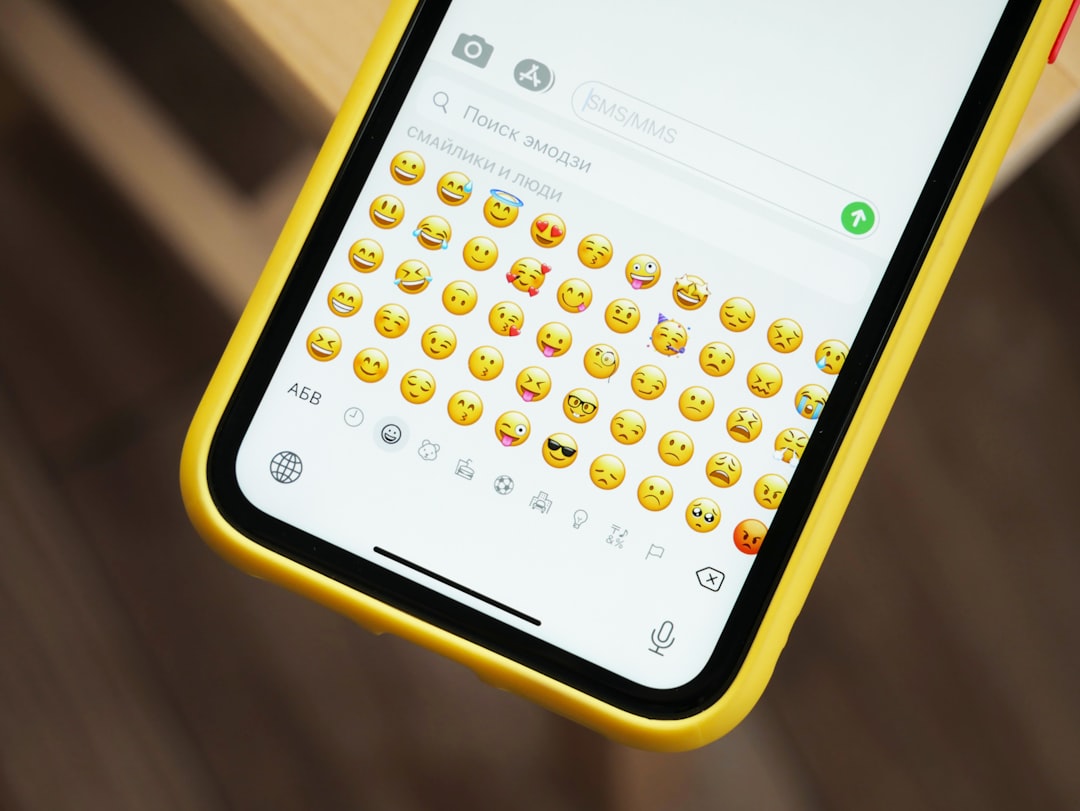
Emojis have redefined the way people communicate in the digital age. These tiny pictographs, from smiling faces to vibrant hearts, help add tone and emotion to text-based communication. However, their interpretation can vary significantly across different age groups in the United States. While some demographics see emojis as lighthearted expressions, others may find them perplexing, misinterpreted, or even inappropriate in certain contexts. The nuances of emoji understanding highlight the cultural and generational gaps in digital communication.
The Emoji Evolution and Cultural Relevance
Since the late 1990s, emojis have rapidly evolved from simple text-based emoticons to a full-blown digital language. Originally invented in Japan, emojis were integrated into major mobile operating systems globally by the early 2010s. Today, their meanings are influenced not just by intent, but also by regional and generational norms.
In the U.S., age groups interpret emojis very differently. Understanding these differences is crucial for effective communication in digital spaces — whether it’s within families, at the workplace, or among friends.
Younger Generations: Gen Z and Millennials
Gen Z (born 1997–2012) and Millennials (born 1981–1996) are considered native speakers of the digital emoji language. They have grown up using emojis not just to supplement words but to create entirely new expressions. Emojis for them are often ironic, sarcastic, or symbolic in non-intuitive ways.
- 😂 Face with Tears of Joy: Still used, but often mocked as outdated by younger Gen Z users.
- 💀 Skull: Commonly used to express laughter, not death — e.g., “I’m dead” as a slang for “that’s hilarious.”
- 🤠 Cowboy Hat Face: Often used ironically or to mock enthusiasm that feels forced.
Interestingly, the context around emoji usage for younger generations often flips the literal meaning of the icon. For example, the “thumbs up” (👍), which older generations see as positive, may be interpreted as passive-aggressive or sarcastic by Gen Z.
Middle-Aged Adults: Gen X and Older Millennials
Gen X (born 1965–1980) and older Millennials are generally more literal in their interpretation of emojis, using them sparingly and with more traditional meanings.
- 👍 Thumbs Up: Considered a straightforward sign of approval or agreement.
- 😊 Smiling Face with Smiling Eyes: Used to express genuine friendliness or gratitude.
- 🎉 Party Popper: Commonly used to celebrate achievements or milestones.
This age group is cautious about overusing or misusing emojis, often employing them in professional settings or to soften the tone in texts or emails. Their use is largely dictated by social norms within their workplace or personal circles and tends to follow the original intent of the emoji icons.
Older Adults: Baby Boomers and Silent Generation
Baby Boomers (born 1946–1964) and the Silent Generation (born before 1946) have a more complicated relationship with emojis. While some from these groups have embraced emojis thanks to platforms like Facebook and iMessage, others are still catching up with their meanings. They usually interpret emojis literally and use them in more formal or sentimental contexts.
- ❤️ Red Heart: Frequently used to express love, care, or deep appreciation to family members.
- 😢 Crying Face: Used to express genuine sadness, not sarcasm or frustration.
- 🌹 Rose: Often used in messages of condolence or love, especially during holidays or memorials.
When used by older adults, emojis often serve as emotional amplifiers in digital conversations with children and grandchildren. Some even use emojis as digital “hugs” or ways to show engagement when words fail.

Miscommunication Across Generations
One of the unintended consequences of emoji usage is generational miscommunication. What seems like a friendly thumbs-up from a Baby Boomer may be read as dismissive by a Gen Z recipient. Likewise, using the laughing face with tears of joy may brand an older Millennial as “trying too hard” to appear youthful in the eyes of teenagers.
These misinterpretations can lead to awkward interactions and misunderstandings, especially on social media platforms or in group chats where multiple generations coexist. Emojis that carry double meanings tend to cause the most confusion. As digital communication becomes more dominant, such nuances are increasingly important to understand.
The Role of Platform Interpretation
Another layer of complexity is added by the way different platforms display emojis. Apple, Samsung, Google, and Twitter all have variations in emoji design. While these discrepancies are usually minor, they can sometimes change the perceived tone or intent behind a message.
- The “smirking face” (😏) may look subtly flirtatious on one system but appear smug or creepy on another.
- The “folded hands” emoji (🙏) is sometimes interpreted as praying, while others see it as a high-five.
These variations further complicate cross-generational communication, particularly when users are unaware of how an emoji might appear to someone receiving the message on a different device.
Adapting Emoji Usage for Better Communication
Given the diverse interpretations, users across all age groups can benefit from being mindful of their emoji usage. Here are a few tips:
- Know Your Audience: Tailor emoji use depending on whom you’re talking to. A Gen Z friend may appreciate memes and ironic emoji usage, while your grandmother may prefer straightforward icons like hearts and smiley faces.
- When in Doubt, Ask: If you ever receive an emoji that seems out of place, it’s okay to clarify what the sender meant, especially in professional or emotionally significant conversations.
- Stay Updated: Emoji meanings can evolve quickly. Periodically checking social media or chatting with younger folks can help you stay in the loop.
Conclusion
Emojis are a powerful tool for digital expression, but their effectiveness depends on the mutual understanding of what they represent. In the United States, generational gaps significantly impact how emojis are interpreted: from symbolic and sarcastic among the young to literal and heartfelt among older adults. By recognizing these differences, users can communicate more effectively across age lines, bridging the digital generation gap one emoji at a time.
Frequently Asked Questions (FAQ)
-
Q: Why do younger people use the skull emoji (💀) to represent laughter?
A: Among Gen Z, saying “I’m dead” is a humorous exaggeration similar to “I can’t stop laughing,” and the skull emoji adds a visual punchline to that sentiment. -
Q: Is it unprofessional to use emojis in work emails?
A: It depends on the workplace culture. In startups or creative industries, emojis can be acceptable. In more formal environments, it’s best to use them sparingly and with universally accepted icons like 😊 or 👍. -
Q: Why do some people think the thumbs up emoji (👍) is rude?
A: Some younger users view it as abrupt or dismissive when used alone, especially without accompanying text or context. -
Q: How can I learn what certain emojis mean to younger people?
A: Social media platforms like TikTok or Reddit can offer insight. You can also ask younger family members or colleagues directly. -
Q: Are there dictionaries for emoji meanings?
A: Yes! Websites like Emojipedia.org provide comprehensive explanations and usage examples for every emoji.