
In today’s increasingly mobile work environment, reliable documentation for travel expenses is more important than ever. For organizations, ensuring transparency and accuracy in mileage reimbursement is not merely a matter of internal policy—it can affect tax deductions, audits, and employee relations. A key component in this process includes the proper use of reimbursement forms, mileage calculators, and corroborating evidence such as map data. These tools, when used effectively, establish credibility while minimizing errors and disputes.
The Importance of Accurate Mileage Reimbursement
Employees who use their personal vehicles for work-related travel are often entitled to mileage reimbursement to cover fuel, wear and tear, insurance impact, and other vehicle-related expenses. Inaccurate reporting or estimation can lead to overpayment, underpayment, or even compliance issues. Organizations are responsible for maintaining documentation in accordance with tax authority regulations, including those issued by the IRS or local equivalents, which often require a detailed, verifiable mileage log.
Crafting a Detailed Reimbursement Form
A well-structured reimbursement form is the foundation of any effective mileage reimbursement policy. It must capture all essential data points that support and validate the travel claim. At a minimum, a robust form should include:
- Date of travel
- Starting location
- Destination
- Total miles driven
- Purpose of the trip
- Employee name and department
- Managerial approval
- Receipts or map screenshots where applicable
Using digital forms instead of paper-based systems can make tracking and auditing simpler, especially when integrated with expense management software. In addition, digital logs can offer time stamps and attached documentation to reinforce legitimacy.
The Role of Mileage Calculators
Manual mileage estimation is prone to errors and can reduce confidence in reimbursements. This is where mileage calculators come into play. These tools automatically determine the driving distance based on known addresses and standard routing algorithms. By taking into account potential detours and precise road distances, they provide a defensible mileage estimate that aligns closely with actual driving conditions.
Mileage calculators typically offer the following benefits:
- Automatic calculations from point A to B
- Integration with mapping services for route display
- Real-time travel metrics and fuel consumption details
- Reduction in human error during mileage entry
Some platforms even accommodate recurring routes and user-defined detours, a useful feature for professions that involve regular field visits or delivery routes.
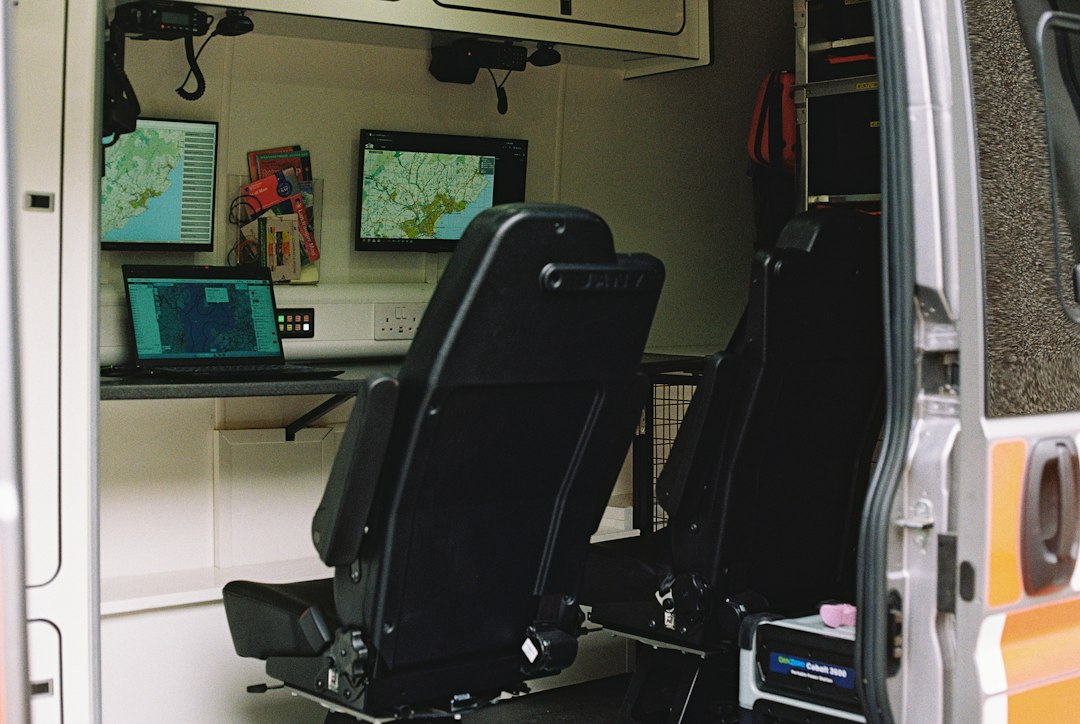
Using Map Evidence to Validate Claims
To provide an additional layer of validation, many organizations now require employees to submit map evidence along with their reimbursement forms. This practice involves generating a route map—often from a service like Google Maps—that visually documents the travel path, including distance and travel time. Screenshots or printed versions of these maps are appended to reimbursement forms to substantiate the claim.
Map evidence accomplishes several goals:
- Confirms that the route and distance claimed are reasonable
- Provides visual proof of the journey undertaken
- Helps auditors cross-reference information easily
In geographical audits or inquiries by external regulators, visual confirmations such as maps become indispensable. They eliminate ambiguity caused by vague address listings or unverifiable trip descriptions.
Key Considerations When Using Maps and Calculators
While these tools enhance accuracy and confidence, they must be used responsibly to ensure integrity and fairness. Here are a few best practices:
- Always cross-check routes: Not all mapping services take the same route. Use consistent tools within the organization to maintain uniformity.
- Log additional stops: If the travel includes detours for work-related tasks, they should be documented explicitly in both the form and the map evidence.
- Time of travel may influence route: Use mapping tools that factor in live traffic if route length varies significantly during peak hours.
- Keep a travel diary: Ongoing logs are more reliable and easier to audit than retrospective entries.
Technology Integration for Automation
Modern organizations are leveraging integrated expense management platforms that combine mileage calculation, GPS tracking, mobile forms, and direct uploads of map screenshots. This not only reduces administrative burden but also bolsters auditability. When equipped with mobile apps, employees can capture critical details in real time and submit reimbursement claims on the go.

Such systems also benefit from cloud storage, enabling centralized access to reimbursement records. This is essential during policy reviews, expense audits, or remote work assessments. Furthermore, these platforms typically generate automated reports, which makes it easier for managers to review recurring travel patterns or flag unusual entries.
Legal and Compliance Considerations
Accurate documentation is not simply an internal policy matter—it often has broader legal implications. Government standards, such as IRS guidelines in the United States, usually set forth exact reimbursement rates and record-keeping rules. Organizations that do not comply may face tax penalties or lose eligibility for deductions. Likewise, overcompensating employees without due diligence can result in financial losses.
Employers should undertake the following to ensure compliance:
- Regularly update reimbursement policies in line with local tax rates
- Conduct quarterly audits of random entries
- Train staff on proper reimbursement request procedures
- Maintain records for the minimum legally required period (often 3–7 years)
Employees, on their part, should maintain integrity in reporting and use only approved methods to calculate and verify mileage. Attempting to round up distances or submit fabricated maps can be grounds for disciplinary action and reflects poorly during auditing.
Conclusion: Building a Culture of Transparency
Reimbursement forms, when supported with accurate mileage calculators and credible map evidence, serve as the backbone of transparent mileage reimbursement systems. These tools not only protect employers from fiscal discrepancies but also reassure employees that their efforts on the road are being fairly compensated. By embracing best practices and employing modern technology wisely, organizations can foster a culture of accountability, compliance, and mutual trust.