In a world that’s increasingly connected, the challenge of keeping track of everyday items has spurred innovative solutions. Ultra-Wideband (UWB) technology is one such advancement, offering exceptional precision when it comes to locating lost or misplaced items. UWB tags, compact devices that can be attached to possessions, are making waves for their ability to help people locate keys, luggage, and even pets with outstanding accuracy and reliability.
TLDR (Too Long, Didn’t Read)
Ultra-Wideband (UWB) tags are becoming essential for tracking everyday items like keys, luggage, and pets due to their high-precision location technology. Unlike Bluetooth trackers, UWB offers centimeter-level accuracy and lower interference. UWB tags are ideal for both indoor and outdoor settings, making them perfect for travel, pet safety, and busy lifestyles. With growing support from smartphones and smart home systems, UWB is setting a new standard in personal item tracking.
What is UWB Technology?
UWB stands for Ultra-Wideband, a short-range radio technology that uses a wide frequency spectrum to transmit data. Unlike Bluetooth or Wi-Fi, UWB can measure the time it takes for a radio pulse to travel from the tag to the receiver. This capability allows it to determine the location of an object with a margin of error of just a few centimeters.
Originally developed for military and industrial use, UWB has found a home in consumer technology, particularly in tracking and locating systems. With hardware support now included in many modern smartphones such as recent iPhones and high-end Android devices, the technology is becoming increasingly accessible to the average user.
Applications of UWB Tags
UWB tags stand out due to their incredible accuracy, enhanced security, and minimal interference with other signals. Here’s how they are being used for tracking common valuables and loved ones:
1. Tracking Keys
Misplacing keys is one of life’s minor—but frequent—annoyances. UWB tags can solve this problem efficiently. Attached to keychains, these tags help users locate their keys in real-time using smartphone apps that leverage the phone’s UWB capabilities. Visual interfaces often include directional arrows or augmented reality overlays to guide users exactly to their missing keys.
Because UWB doesn’t rely on signal strength alone but on time-of-flight measurements, it offers far more accurate location services than Bluetooth-based alternatives. This can dramatically reduce the time spent rummaging around the house—or worse, a long parking garage—for lost keys.
2. Luggage and Travel Safety
For travelers, losing luggage is a major inconvenience. UWB tags are now being adopted as a way to keep tabs on bags from the airport drop-off to hotel check-in. These tags can be embedded into or attached to suitcases, helping users virtually “see” where their luggage is, even if airline services have misplaced it.
Some travel apps are starting to integrate UWB tracking, enabling real-time location sharing between UWB-powered tracking systems and your phone. Since UWB works better inside buildings than GPS, it’s particularly useful in large, confusing transit hubs such as airports and train stations.

Moreover, some high-end suitcases come pre-installed with UWB-compatible compartments, eliminating the need for extra accessories.
3. Keeping Pets Safe
Pets are family, and their safety is a top priority for pet owners. UWB tags provide an innovative safeguard for dogs, cats, and even adventurous rabbits. These compact tags can be attached to collars, giving owners peace of mind with real-time tracking through their smartphones.
Unlike traditional GPS trackers that depend on cell signals and often lag in reporting, UWB tags offer near-instant updates and are perfect for indoor environments—where pets can be especially hard to find. An added advantage is that UWB tags are typically low-powered and lightweight, causing minimal discomfort for pets.
Smart home integration allows owners to set up geofences. If a pet wanders too far from a designated safe zone, the system sends immediate alerts, providing a critical window to act before a situation escalates.
Why UWB Beats the Competition
Many people are familiar with Bluetooth or GPS trackers, but UWB has unique advantages:
- Higher Accuracy: With centimeter-level precision, UWB outperforms Bluetooth, which has a typical accuracy range of 3–5 meters.
- Faster response: Time-of-flight-based measurements offer real-time positioning without the signal lag seen in GPS systems.
- Lower Interference: Because it operates across a broad spectrum with short pulses, UWB is less prone to interference from other wireless signals in the environment.
- Better Indoor Capability: GPS is practically useless indoors, but UWB thrives in such environments, making it ideal for office, home, and mall-based usage.
Additionally, many new smartphones feature built-in UWB chips. This allows seamless communication with tags, enhancing functionality like step-by-step direction or automatic unlocking of smart car doors as you approach with the right tag in hand.
Limitations and Challenges
Despite its many advantages, UWB is not without limitations:
- Cost: UWB tags are typically more expensive than Bluetooth alternatives, which may deter budget-conscious users.
- Compatibility: Only newer smartphones and smart devices currently support UWB, limiting its usability for those with outdated technology.
- Limited Range: Although extremely accurate, UWB’s range is shorter than GPS, making it less ideal for long-distance tracking unless paired with other technologies.
The Future of UWB in Everyday Life
As smart home devices and wearables evolve, UWB is poised to play a crucial role. From unlocking doors to enabling contactless payment systems and improved augmented reality experiences, the technology offers far-reaching potentials. For now, its core strength remains in item and personal tracking, a sector that continues to expand as people search for smarter ways to manage their lives and protect their loved ones.
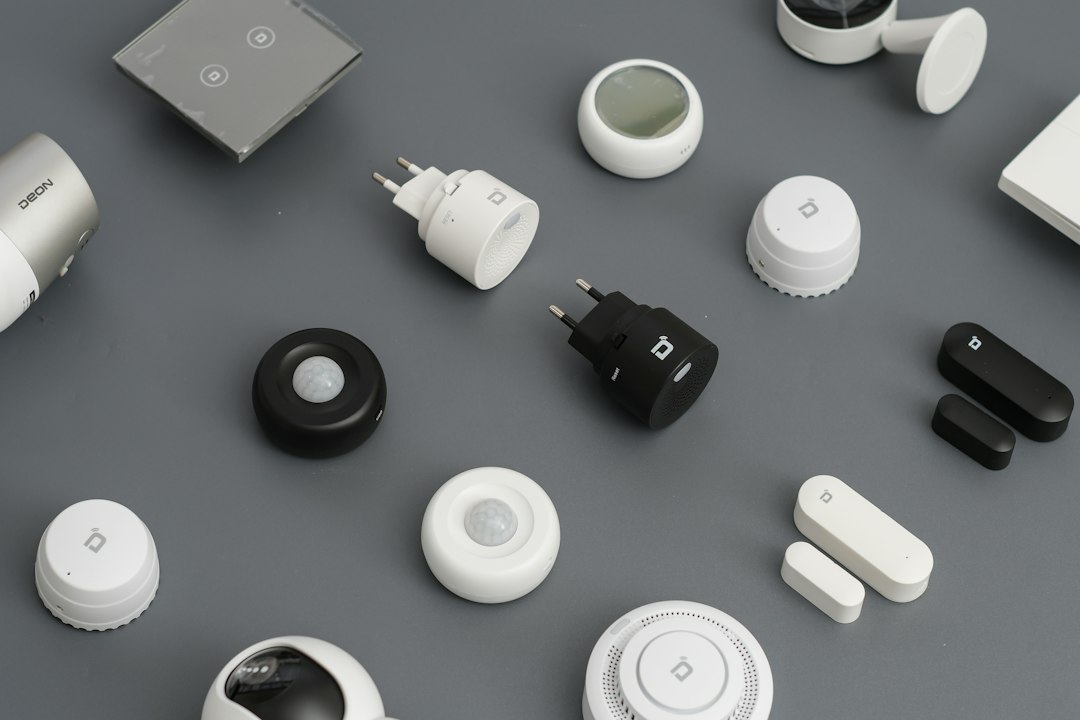
Tech giants like Apple, Samsung, and Google are investing heavily in UWB, integrating it deeper into ecosystems ranging from phones to smart home hubs. This accelerating adoption means UWB tags will soon be as common as keychains and as essential as passwords.
Frequently Asked Questions (FAQ)
- Q: How does a UWB tag differ from a Bluetooth tracker?
A UWB tag uses time-of-flight technology for pinpoint accuracy, typically within a few centimeters, compared to Bluetooth’s signal strength-based tracking with less precision. - Q: Can UWB tags work without an internet connection?
Yes. UWB tags use direct communication between the tag and a UWB-enabled device and do not depend on internet connectivity, unlike GPS. - Q: Are UWB tags safe for pets?
Absolutely. UWB tags are lightweight, low-radiation, and safe to attach to pet collars. - Q: How far can UWB tags track?
UWB tags typically have a range of 10–30 meters, depending on environmental factors. Some hybrid systems combine UWB with GPS for extended coverage. - Q: Do UWB tags need charging?
Many UWB tags use rechargeable batteries, while others are designed with long-lasting, replaceable batteries that can last several months to a year.
Whether you’re worried about losing your keys, want peace of mind during your travels, or need to keep a constant eye on your adventurous pet, UWB tags provide a next-generation solution to everyday tracking challenges with unmatched precision and smart integration.