
Rebranding your company’s logo is a high-stakes endeavor. A thoughtfully executed logo update can ignite brand relevance, bolster recognition, and revitalize engagement. However, an ill-considered redesign risks alienating loyal customers and diluting hard-earned brand equity. Whether spurred by a strategic business pivot, market evolution, or aesthetic updates, the process must be deliberate and data-informed.
TLDR
Rebranding your logo is more than just a cosmetic refresh—it’s a strategic decision that requires careful planning to preserve brand equity. This article outlines a step-by-step checklist for a successful logo update while maintaining the visual and emotional cues that customers already associate with your brand. You’ll learn how to prepare your audience, audit existing assets, and implement the new design across all brand touchpoints. Done right, your rebrand will feel fresh yet familiar.
1. Understand Why You’re Rebranding
The first and most critical question before a rebrand is: Why now? A logo redesign should support a broader business goal, not just restful aesthetics. Ask yourself:
- Is our current design misaligned with our brand vision or mission?
- Has our target demographic shifted?
- Are we entering a new market or facing new competition?
- Is the logo outdated or technically limiting for digital platforms?
Clearly defining the motive for change will help anchor decisions throughout the rebranding process. Without clarity, you risk redesigning for the sake of trendiness rather than strategy.
2. Conduct a Brand Equity Audit
Before making any visual changes, analyze what aspects of the current logo contribute to existing brand equity. Brand equity is more than color and typography—it’s emotional resonance and recognition built over time. Assess the iconic elements of the old logo using the following criteria:
- Recognition Factor: What elements are most recognizable—color palette, shapes, font?
- Emotional Response: What feelings does the current design evoke?
- Historical Value: Is there heritage or nostalgia tied to the logo?
- Functional Strength: Does the current logo work well across physical and digital media?
This audit will help you identify what must be preserved and what is safe to evolve.
3. Involve Stakeholders & Align Branding Objectives
Far too often, rebranding efforts are siloed within the marketing department. But a successful logo rebrand requires full strategic alignment. You should include:
- Senior leadership for vision and governance
- Sales and customer service teams for market insight
- Designers and brand managers for creative input
- Customers—through surveys or focus groups—for direct feedback
Cross-functional collaboration brings balanced perspectives and ensures that the new design resonates internally and externally.
4. Retain Core Elements of Identity
If you’ve built brand equity over years, don’t burn it down in a single stroke. Even major global brands—like Coca-Cola or Mastercard—sustain recognition by evolving rather than replacing. Consider:
- Keeping original color schemes
- Modernizing the existing font rather than switching abruptly
- Enhancing rather than replacing iconic symbols
Modernization doesn’t mean reinvention. It means respecting the past while designing for the future.

5. Test New Designs with Real Audiences
Before finalizing your new logo design, conduct rigorous testing with internal teams and external sample audiences. Use A/B testing formats for digital feedback or moderated interviews for deeper insights. Consider the following areas of evaluation:
- Recognition: Is it immediately associated with your company?
- Appeal: Is it visually engaging and contemporary?
- Relevance: Does it reflect the brand’s promise and position?
- Accessibility: Is it legible and scalable across devices?
Analyzing user reactions will help you refine and validate before broad rollout.
6. Prepare a Comprehensive Rollout Plan
Transitioning from the old logo to the new one is a project in itself. Brands often falter not in the design but in the deployment. Your rollout plan should include:
- Internal Launch: Educate employees before customers. Equip them with messaging and tools to amplify consistency.
- Customer Communication: Use storytelling to explain the “why” behind the change, reinforcing continuity.
- Digital First: Update your website, apps, and social media profiles on Day One of the launch.
- Physical Assets: Gradually update business cards, signage, packaging, and merchandise, prioritizing high-visibility items.
This coordinated launch minimizes confusion and nurtures trust during the transition.
7. Archive and Celebrate the Old Logo
Brand transitions often neglect the emotional role that legacy visuals play for long-time customers. Consider creating a digital archive or branded video commemorating the logo’s history. Enabling customers to connect with previous identities helps cement a stronger bridge to the next chapter.
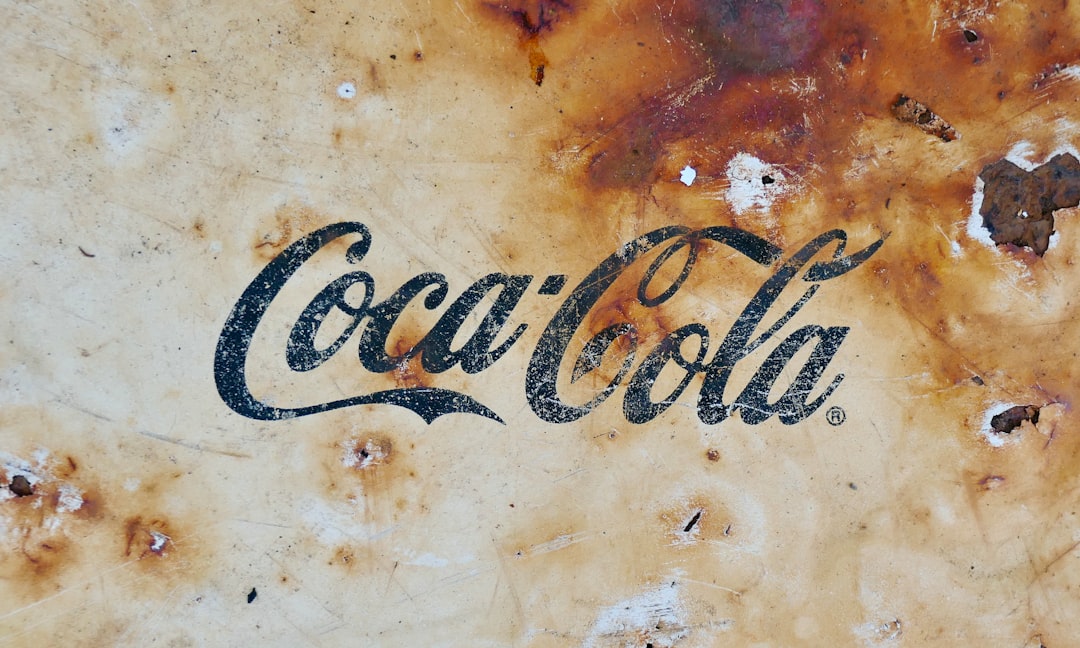
Use this moment not just as a change in identity, but an opportunity to highlight the journey and growth of the business.
8. Train Teams on New Brand Guidelines
Once the new logo is live, it’s critical to avoid inconsistent usage that can dilute the impact. Develop a comprehensive brand guideline document covering the logo’s:
- Clear space and minimum sizing
- Approved colors and backgrounds
- Placement rules across media types
- Do’s and Don’ts of modification
Beyond documentation, offer workshops or training sessions to internal teams, vendors, and agencies to ensure unified understanding across the board.
9. Monitor Performance Post-Launch
A redesigned logo’s impact extends beyond just appearance. Post-launch analytics should monitor:
- Brand Recognition Metrics: Surveys or social listening to gauge public sentiment
- User Engagement Rates: Changes in website traffic or ad performance
- Conversion Rates: Are user actions improving or degrading?
- Internal Adoption: Are teams using the new logo consistently?
Refine as needed based on these behavioral insights. Creating feedback loops ensures long-term success and adaptability.
10. Keep Evolving Thoughtfully
A logo is never truly finished, nor should it be. Brands evolve, and so do the environments they operate in. Build resilience into your identity by scheduling periodic visual reviews, not constant revisions. A strong identity accommodates growth while preserving what made it strong in the first place.
Final Thoughts
Rebranding your logo is a business-critical task, not just a design exercise. It demands strategic vision, psychological understanding of your audience, and rigorous execution. By following a structured checklist—rooted in research and aligned with your broader goals—you can modernize without alienating, and refresh without erasing. The end goal is a logo that honors your past, represents your present, and prepares your brand for the future.