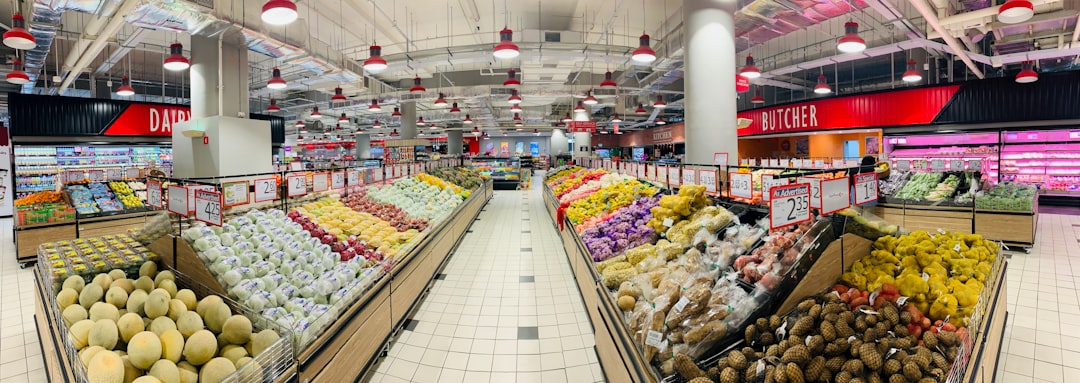
Gone are the days when shoppers wandered down every aisle of the supermarket in search of their favorite brand of cereal or that elusive tin of imported olives. Welcome to the era of indoor navigation in supermarkets, where technology guides consumers directly to products using in-store digital maps, location-based services, and smartphone integration. While this evolution in grocery shopping holds immense promise, it’s important to understand both the potential benefits and the possible downsides.
TLDR (Too Long, Didn’t Read)
Indoor navigation in supermarkets uses digital mapping and smartphone apps to guide shoppers to products with precision. The technology increases shopping efficiency, improves user experience, and helps stores collect valuable data. However, it also raises concerns about privacy, technology dependence, and implementation costs. Overall, the system offers a blend of convenience and complexity.
What Is Indoor Navigation in Supermarkets?
Indoor navigation systems use technologies such as Bluetooth beacons, Wi-Fi triangulation, RFID, and even augmented reality to help customers identify their current location inside a supermarket and find specific products in real-time. Integrated with mobile apps or in-store kiosks, these systems offer interactive store maps, search functionality, and sometimes even voice-guided directions.
Imagine walking into your local grocery store, opening its app, typing “almond milk” into a search bar, and immediately receiving turn-by-turn directions leading you straight to the correct shelf.
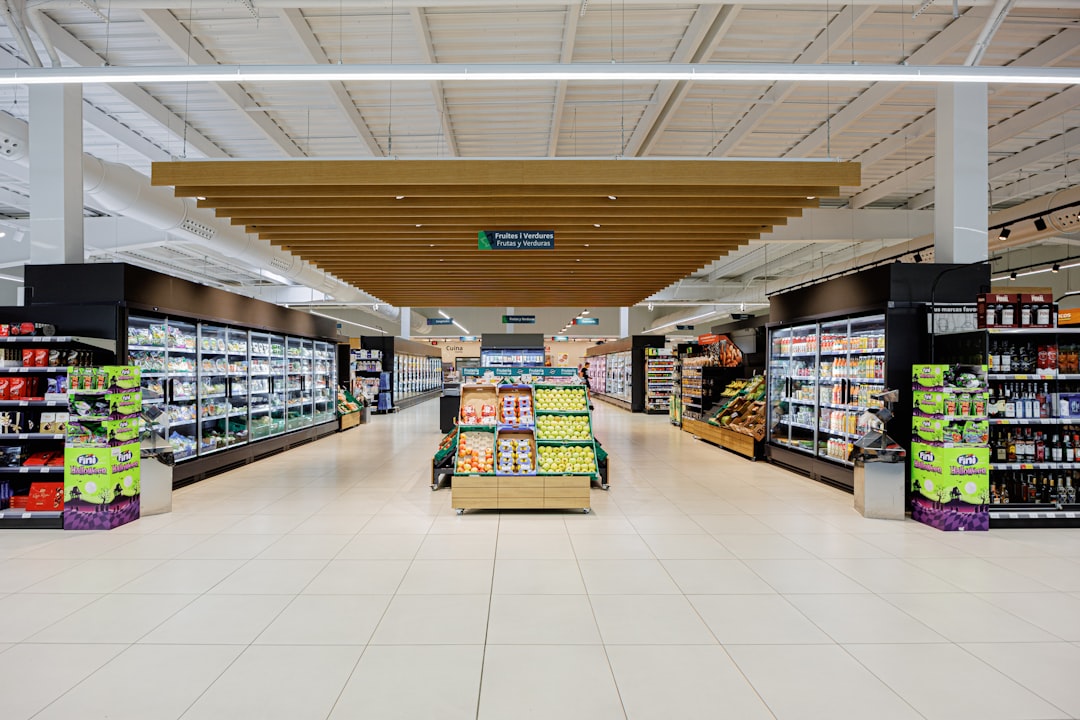
Pros of Indoor Navigation in Supermarkets
-
1. Enhanced Convenience and Efficiency
Shoppers no longer need to memorize store layouts or ask staff where to find items. This significantly reduces the time spent in-store, especially for those who are in a hurry or shopping from a long grocery list. -
2. Personalized Shopping Experience
Many systems offer personalization features by connecting with a user’s shopping history. For instance, if you frequently buy vegan products or gluten-free snacks, the system can recommend relevant items and show their exact location. -
3. Inventory Transparency
Integration with backend inventory systems allows real-time updates about a product’s availability. This prevents disappointment when looking for out-of-stock items, and in some cases, the app can suggest similar substitutes nearby. -
4. Promotional Opportunities for Retailers
From the retailer’s perspective, indoor navigation becomes a powerful marketing tool. Stores can send push notifications for special deals or coupons as customers walk near certain aisles or products. -
5. Data Analytics and Optimization
Every tap and movement can be transformed into data. This allows retailers to better understand consumer behavior, optimize product placement, and design store layouts more intelligently.
Cons of Indoor Navigation in Supermarkets
-
1. Privacy Concerns
One of the biggest apprehensions associated with indoor navigation is data privacy. Since these systems often rely on tracking smartphones and recording user behavior, it’s crucial for stores to have clear, ethical data handling policies in place. -
2. Technological Barriers
Not all shoppers are tech-savvy or comfortable using mobile apps while shopping. Elderly customers or those without compatible smartphones may find such systems more frustrating than helpful. -
3. Infrastructure and Maintenance Costs
Deploying a reliable indoor navigation system is not cheap. It involves installing and maintaining hardware like beacons, updating maps regularly, and troubleshooting user connectivity issues. -
4. Potential for Information Overload
While notifications and suggestions can enhance shopping, an overload of alerts might disrupt the shopping experience. Striking the right balance between usefulness and nuisance is essential. -
5. Dependency on Smartphone Battery and Connectivity
The whole system is dependent on users having a charged phone with proper app access and location services enabled. In-store connectivity problems can render the system ineffective just when it’s needed most.
Technologies Driving Indoor Navigation
Several technologies power these systems, each with its own strengths and limitations:
- Bluetooth Beacons: Offer high-accuracy positioning and are energy-efficient, but require dense deployment.
- Wi-Fi Triangulation: Utilizes existing Wi-Fi infrastructure, but can be less accurate than beacon-based systems.
- RFID & Barcodes: Useful for product-level tracking but generally not for continuous, real-time indoor navigation.
- Augmented Reality (AR): Provides visually engaging, smartphone-based guidance using graphics overlaid on the store’s interior view.
The choice of technology often depends on store size, budget, and desired level of user interaction.
Use Cases Beyond Just Navigation
Indoor navigation doesn’t stop at helping customers find products. It can also enable:
- Self-Guided Store Tours: Great for first-time visitors or showcasing store features.
- Nutritional Guidance: Shoppers can receive instant nutritional information or dietary suitability alerts.
- Multilingual Support: Mobile apps can offer instructions and assistance in multiple languages, enhancing accessibility for non-native speakers.
- Queue and Checkout Navigation: Some systems provide directions to the shortest or nearest checkout line, improving exit efficiency.
Customer Reactions and Case Studies
Adoption rates vary, but several prominent retailers are already experimenting with indoor navigation. For instance, large supermarket chains in Europe and Asia have piloted systems that connect with shopping lists, suggest recipes, and even let users scan and pay directly through their phones.
Feedback so far is mixed. Tech-savvy shoppers praise the speed and convenience, while some criticize occasional mapping errors and glitches. However, the overall trend is one of growing acceptance, particularly among younger, digitally native demographics.
In one case study from a tech-forward grocery retailer in the Netherlands, app-based navigation reduced average shopping time by 20%, while boosting sales in promoted product categories by over 15%.
The Future of Indoor Navigation in Retail
With AI and machine learning entering the mix, the future of indoor navigation looks incredibly promising. Imagine a system that not only guides you but anticipates what you’ll need next based on seasonal patterns, past purchases, or even your current mood (detected via wearable tech). We’re inching closer to that reality every year.
Incorporating voice assistants and expanding AR capabilities will further enrich the shopping experience. The key will be in designing interfaces that are simple, intuitive, and respectful of the user’s data and attention.
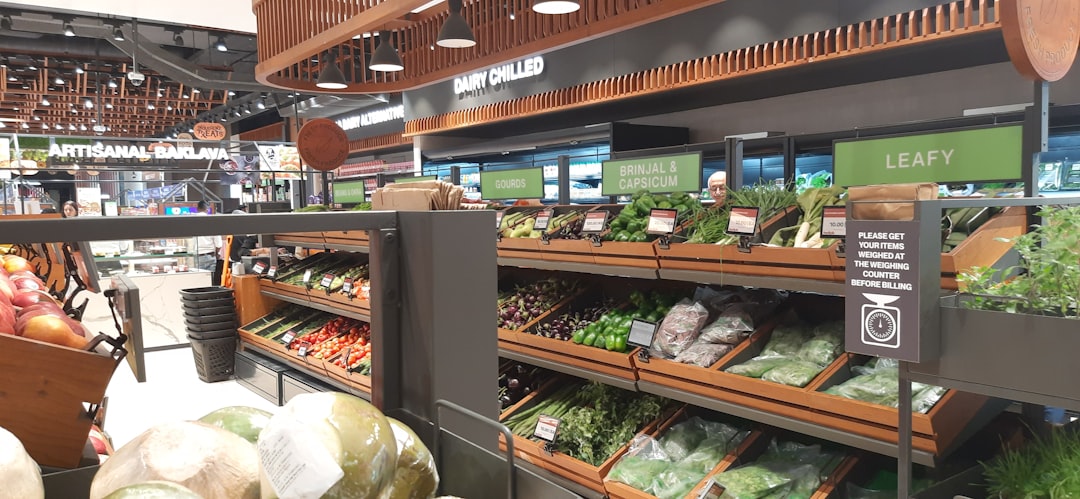
Conclusion
Indoor navigation in supermarkets represents a technological leap in the evolution of modern retail. When executed thoughtfully, it brings together convenience, personalization, and operational efficiency in one seamless journey—from entry to checkout.
However, these systems are not without their drawbacks. Concerns about accessibility, cost, and privacy must be carefully addressed to ensure widespread and ethical adoption. As the technology matures, a collaborative effort between developers, retailers, and users will be essential in shaping an experience that’s both smart and satisfying.
So next time you’re struggling to find that rare spice or the pet food aisle feels like a maze, remember—technology might just have the answer, right in the palm of your hand.