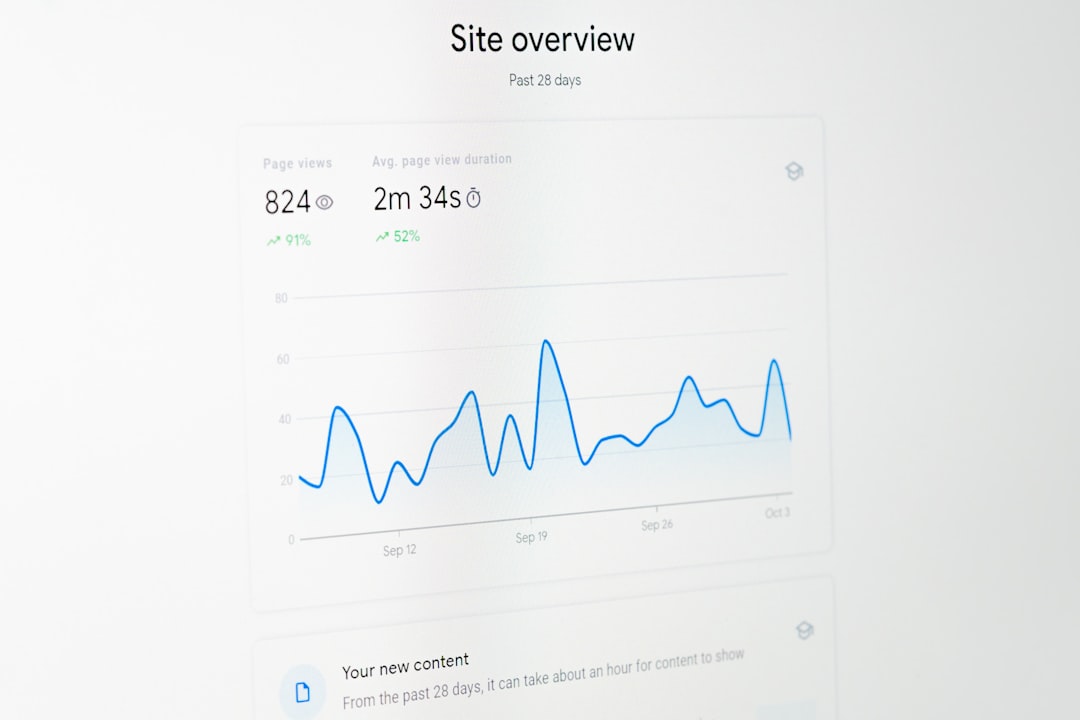
In today’s increasingly digital marketplace, search engine optimization (SEO) has become a critical service for any business looking to grow its online presence. Digital marketing agencies must constantly deliver tangible SEO results to clients without increasing operational overload. This is where white label SEO software emerges as a powerful ally—allowing agencies to scale, automate, and present SEO solutions under their own branding.
TLDR:
White label SEO software enables digital marketing agencies to offer SEO services under their own brand without having to build or manage the tools themselves. These platforms streamline and automate SEO tasks like reporting, rank tracking, and site auditing. The result is better scalability, consistency, and professionalism in client-facing deliverables. Choosing the right white label SEO software can significantly enhance an agency’s efficiency and credibility.
What is White Label SEO Software?
White label SEO software refers to a suite of SEO tools developed by a third party that allows agencies to rebrand and present the platform to their clients as their own. This means your clients see your logo, your reports, and your unique domain, while still benefiting from the robust, technical foundation provided by the software provider.
These tools typically offer a range of SEO functionalities, including:
- Keyword tracking and research
- Backlink monitoring and analysis
- Website audits
- Competitor analysis
- Analytics data integration
- Custom SEO reporting
By using a white label option, agencies can scale their SEO services without having to invest in developing and maintaining proprietary software themselves.
Why Agencies Use White Label SEO Tools
There are several strategic reasons why agencies opt for white label SEO software rather than building solutions in-house or openly using third-party tools:
1. Branding and Professionalism
Client perception matters. A branded dashboard or report reassures clients that your agency has the resources and expertise to provide professional-level service. Whether it’s a client portal or automated email reports, white label SEO tools support consistent branding.
2. Cost and Time Efficiency
Developing robust SEO software is time-consuming and expensive. Licensing a white label solution offers immediate access to a tested platform with regular updates and dedicated customer support—saving both time and long-term costs.
3. Scalability
White label software allows agencies to handle more clients without dramatically increasing staff or operational overhead. This enables lean teams to deliver at scale through automation and centralized task management.
4. Competitive Advantage
Having a client-facing platform branded as your own creates an impression of sophistication and innovation, giving your agency a crucial edge in competitive pitches and renewals.
Key Features to Look for in White Label SEO Software
Not all platforms offer the same level of functionality or customization. Here are some must-have features to consider when evaluating white label SEO tools:
- Fully Customizable Branding: Look for software that lets you add your logo, domain name, and color scheme throughout the client interface and reports.
- Comprehensive Reporting: Auto-generated, scheduled reports are key. Clients expect data-rich insights in a clean, digestible format.
- Client Dashboard Access: A portal where clients can log in, view real-time performance metrics, and track campaign results can boost transparency and trust.
- Data Integration Capabilities: SEO doesn’t work in a vacuum. The best white label platforms integrate with Google Analytics, Google Search Console, and other marketing tools.
- Task Automation: SEO is full of repetitive tasks—look for automation tools like keyword rank updates, backlink tracking alerts, and ongoing site health checks.

Top White Label SEO Tools for Agencies in 2024
Several reputable white label SEO platforms have emerged that balance functionality with branding flexibility. Here are some of the most trusted options:
1. SE Ranking
SE Ranking is an all-in-one platform offering keyword tracking, backlink monitoring, site audit capabilities, and customizable reporting. Their white label functionality allows agencies to create a branded interface and deliver scheduled reports from a custom domain.
2. AgencyAnalytics
This platform is loved for its broad integration capabilities—it connects with Google Analytics, Facebook Ads, PPC tools, and more. Its sleek client dashboards and automated reports make it ideal for agencies managing clients across several digital channels.
3. DashThis
Primarily a reporting tool rather than a full SEO suite, DashThis allows you to generate clean, client-facing reports from various data sources, including SEO platforms. Its strength lies in ease of use and professional design, making it a favorite among agencies with strong design sensibilities.
4. ReportGarden
Combining SEO analytics with PPC data, ReportGarden is perfect for agencies offering both services. The platform lets you white label dashboards, automate client reports, and generate performance summaries with ease.
5. Raven Tools
Raven Tools provides marketing reports, competitor analysis, backlink auditing, and on-site optimization insight in a white label-friendly format. Their customizable PDF reports are particularly well-suited for agencies with larger corporate clients.
Benefits Beyond Reporting
While automated reporting is a key benefit of white label SEO software, there’s more value to leverage:
- Client Education: A white-labeled dashboard can help educate your clients by giving them accessible, real-time data, leading to more informed and less reactive discussions during review meetings.
- Team Collaboration: Many tools come with role management features, allowing your entire team to contribute to campaign strategy with clearly defined responsibilities.
- Client Retention: A reliable, branded platform creates a sense of continuity and commitment, improving the likelihood that clients will continue their partnership with your agency.

Potential Drawbacks and Considerations
While the benefits of white label SEO software are substantial, agencies should proceed with a few considerations in mind:
- Dependence on Third-Party Platforms: If your whole service delivery relies on software built and maintained externally, you’re at the mercy of their updates, bugs, or shutdowns.
- Tiered Pricing: Many platforms base costs on client volume or features used, so expenses can escalate as you scale. Make sure to analyze cost vs. ROI carefully.
- Learning Curve: Your team will need to be adequately trained not only to use the software but also to troubleshoot it and explain it effectively to clients.
Conclusion
White label SEO software empowers agencies to deliver cutting-edge digital marketing services under their own brand. It standardizes operations, improves reporting credibility, and scales client servicing with minimal overhead. However, choosing the right tool requires careful evaluation against your agency’s needs, growth trajectory, and client expectations.
When implemented wisely, these tools don’t just serve as operational assets—they become strategic differentiators. From small agencies starting out to larger firms managing extensive portfolios, white-labeled platforms create an enduring foundation of trust, professionalism, and measurable results in SEO service delivery.