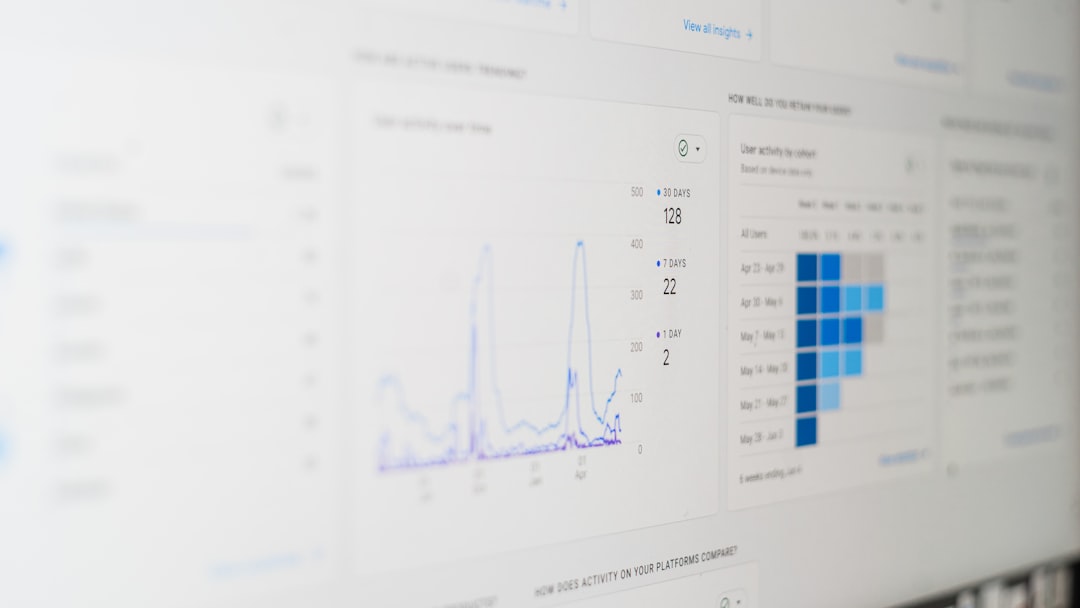
With the proliferation of product analytics, digital marketing, and rapid iteration cycles, tracking user events, monitoring funnels, and executing A/B tests have become crucial components of modern web and app development. But many of the leading tools in this space come with hefty subscription fees, making them inaccessible to indie developers, bootstrapped startups, and hobby projects. Thankfully, a number of developer-friendly platforms offer essential features at no cost, empowering teams to make data-driven decisions without breaking the bank.
TL;DR: There are several excellent tools that allow developers to capture events, track funnels, and run A/B tests entirely on free plans. Tools like PostHog, Plausible, and Splitbee offer powerful analytics capabilities while being mindful of budgets and privacy. These platforms provide developer-friendly APIs, integrations, open-source options, and community support without compromising on functionality. Whether you’re analyzing user journeys or testing new features, you don’t necessarily need to pay for a premium plan to get high-quality insights.
1. PostHog – The Open Source Analytics Toolkit
PostHog is a battle-tested, open-source product analytics solution designed for engineers. Unlike traditional analytics platforms, PostHog can be self-hosted, granting full control over event storage, funnel flows, session replays, and feature flags – all without the need for a credit card.
- Event Tracking: Custom event tracking via JS, mobile SDKs, and API-based ingestion.
- Funnels: Visual funnel builder allows break-down by properties, steps, and time-to-convert.
- A/B Testing: Use feature flags and experimentation tools for running lightweight tests.
- Free Tier: Fully free when self-hosted. Cloud plan includes 1 million events/month.
PostHog is ideal for privacy-conscious apps and teams that don’t mind managing their own infrastructure. It is very developer-friendly and has strong integrations with GitHub and product CI/CD workflows.
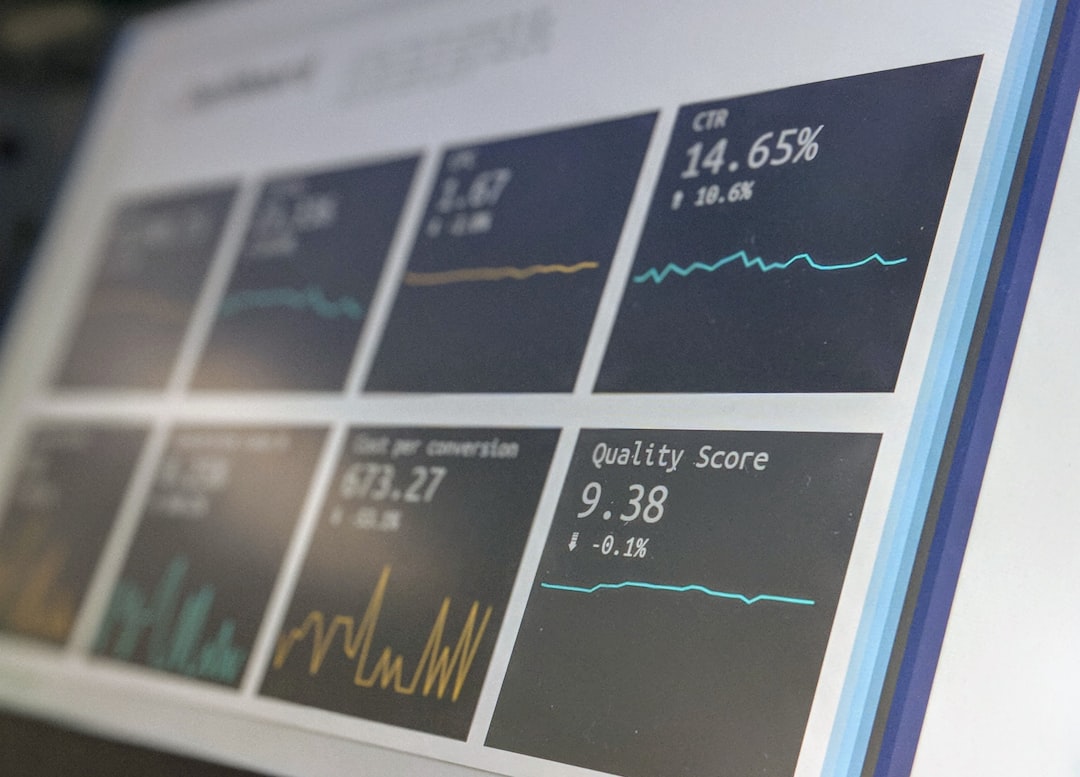
2. Splitbee – Lightweight Analytics With Built-in Funnels and Experiments
Splitbee is a beautifully crafted analytics tool tailored toward indie makers and small teams. With a strong emphasis on simplicity and UI elegance, it provides actionable data without the bloated dashboards and steep learning curves of enterprise analytics suites.
- Event Tracking: Simple event API and automatic route-based tracking for web apps.
- Funnels: Build visual funnels with ease using past user data.
- A/B Tests: Straightforward logic-based experiments using Splitbee’s automation engine.
- Free Plan: Up to 2,500 events/month with all core features unlocked.
Splitbee is completely no-code for basic setups but allows developers to add complexity through JavaScript APIs. It supports event-based automation, which makes it great for responding to user actions in real time.

3. Plausible Analytics – Privacy-First and Lightweight
Plausible is a GDPR-compliant, open-source alternative to Google Analytics that doesn’t rely on cookies or invasive data collection. Though not designed for in-depth behavioral analytics like PostHog or A/B testing out of the box, Plausible is excellent for tracking user flows, entry points, and goals with a transparent pricing structure.
- Event Tracking: Custom goals via URL paths or JavaScript events.
- Funnels: While not as advanced, goal completions and referrer tracking help shape conversion paths.
- A/B Testing: Not natively supported, but can be implemented via custom scripts or paired with feature flags.
- Free Plan: Available if self-hosted; paid cloud hosting starts affordably.
Plausible is perfect for developers who prioritize performance, privacy, and ethical data practices. It provides automatic stats refresh, live traffic insights, and a shareable public dashboard.
4. GrowthBook – Feature Flags and A/B Testing, Developer-First
GrowthBook is a focused platform offering open-source A/B testing and feature flag management. Built with developers in mind, it excels at empowering engineering teams to run experiments tied to real business metrics without relying on marketing or product teams.
- Event Integration: Connect to your existing data warehouse or analytics source like Segment, Mixpanel, or PostHog.
- A/B Testing: Define experiments, rollout strategies, and evaluate metric impact.
- Feature Flags: Toggle features at runtime with targeting based on user attributes.
- Free Plan: Fully open-source with unlimited flags and experiments when self-hosted.
This tool is ideal for teams already using a centralized event data platform and looking to add A/B testing without switching ecosystems. GrowthBook is modular and easy to sit alongside your existing stack.

5. OpenReplay – Telemetry and Session Replay Analysis
OpenReplay goes beyond event tracking and dives into session replay, identifying visual patterns tied to user behavior. While it’s not an A/B testing platform by itself, when combined with tools like GrowthBook or PostHog, it greatly enhances experiment diagnostics.
- Session Replays: Visualize exactly how users navigate your app, including rage clicks, lags, and form drops.
- Event Tracking: Integrate with analytics to annotate sessions with key actions like clicks and submissions.
- Funnels: Track and deduce funnel bottlenecks through recorded sessions and heatmaps.
- Free Version: Completely open source with full features when hosted.
OpenReplay’s focus on data ownership and transparency makes it an essential companion tool for improving UX and optimizing product flows without relying on third-party black-box analytics services.
Final Thoughts
Developers no longer need to compromise between functionality and affordability when choosing analytics and experimentation tools. Whether you’re building the next SaaS unicorn or an internal tool, the above platforms offer everything from event capture to A/B testing – on free or open-source plans.
By cherry-picking tools best suited to specific goals – say, using PostHog for analytics and GrowthBook for experiments – dev teams can build an analytics stack tailored to their needs and budgets. Best of all, most of these platforms integrate with each other or can be extended through APIs, making them easy to scale with your product.
FAQ
- Q: Which tool is best for full-featured free analytics and A/B testing?
A: PostHog is a solid all-in-one choice that supports event tracking, funnels, session replays, and experimentation on its self-hosted free tier. - Q: What if I’m building a privacy-first or GDPR-compliant app?
A: Plausible and OpenReplay are excellent choices. Both are privacy-centric, cookie-free (in Plausible’s case), and open source. - Q: Can these tools be used together?
A: Absolutely. For example, you can use OpenReplay for session recordings, PostHog for analytics, and GrowthBook for experiments — creating a modular, cost-efficient stack. - Q: Are these tools suitable for mobile apps as well?
A: Yes, most of them offer mobile SDKs or API endpoints that can be integrated into iOS and Android applications. - Q: Do self-hosted tools require DevOps knowledge?
A: Some setup knowledge is helpful, but many open-source tools offer Docker containers and setup guides that simplify deployment on platforms like Heroku, DigitalOcean, or your own server.