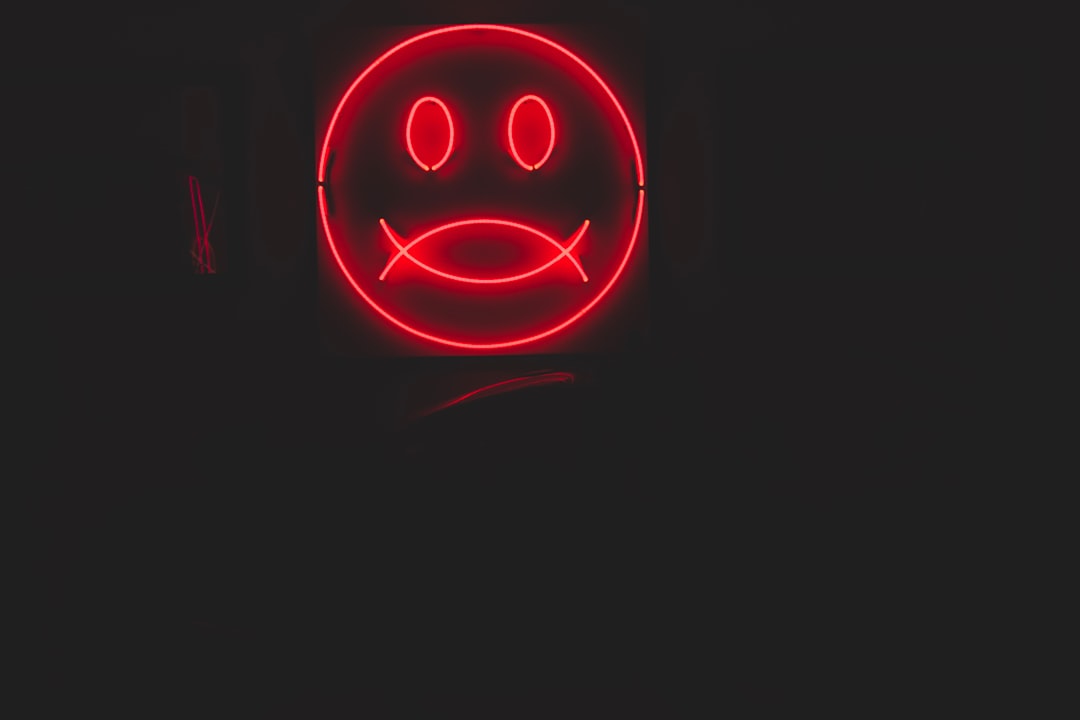
Emojis have transformed the way we communicate, not just in casual text messages but across digital platforms, playing a surprisingly complex role in emotional expression and identity formation. The iPhone’s emoji keyboard has become a central tool for emotional nuance in otherwise flat digital text. But why do we gravitate toward certain emojis over others? And what does this say about us psychologically?
TL;DR
Emojis on iPhones extend our nonverbal communication into the digital world and serve as tools for emotional expression, social bonding, and identity formation. Their usage is influenced by psychology, including personality types, social context, and cultural norms. Studies show that people select emojis based on how they wish to be perceived, not just on what they feel. Understanding our emoji habits offers valuable insights into the human psyche of the digital age.
The Rise of Emoji Culture
Initially a supplemental feature, emojis have become a dominant force in online communication. The iPhone, ever a trendsetter, has played a critical role in shaping this phenomenon by offering a user-friendly, vibrant array of emoji characters embedded within its messaging ecosystem.
Emojis address a fundamental limitation of text-based communication: the lack of nonverbal cues. When speaking in person, humans rely significantly on facial expressions, tone of voice, and gestures. Emojis fill this gap by mimicking emotional signals that help clarify the intent behind written words.
The Psychological Functions of Emojis
From a psychological perspective, emojis serve several key functions:
- Emotional Expression: Emojis allow individuals to convey feelings that text alone may fail to express.
- Identity Curation: The selection of specific emojis helps users project a curated identity.
- Social Bonding: Emojis can strengthen relationships and even encourage empathy by mimicking real-life social cues.
Each of these functions taps into deeper psychological mechanisms, including emotional intelligence, social cognition, and personal identity.
1. Emotional Expression through Visual Language
Studies have shown that humans process visually rich content more quickly and emotionally than plain text. Emojis offer a shortcut to emotional insight, effectively acting as “emotional punctuation.” For example, a simple sentence like “I’m fine” can convey very different messages depending on whether it’s followed by 🙂, 😢, or 😐.
This visual shorthand is particularly compelling on platforms like iMessage, where tone and context might otherwise be misread. When users select an emoji, they are often unconsciously choosing a socially acceptable or emotionally accurate response, thereby aligning with broader emotional norms.
2. Projection of Identity and Personality
Another key psychological aspect of emoji usage is identity projection. Much like how people choose certain clothing or music to reflect who they are, the choice of emojis becomes an extension of their digital personality. Some users consistently use the same set of emojis—like the sparkle (✨), skull (💀), or fire (🔥)—which becomes almost a personal digital signature.
Interestingly, recent studies reveal correlations between emoji preference and personality traits. For example:
- Extroverts tend to use expressive and dynamic emojis such as 😄, 🎉, or 🤩.
- Introverts are more likely to use simple and neutral faces like 🙂 or 👍 more conservatively.
- Neurotic individuals might gravitate toward anxious or worried faces such as 😬 or 😰.
This shows how emoji usage can serve as an informal indicator of a user’s psychological profile.
The Influence of Social and Cultural Context
Although emojis are universal in theory, their interpretation can vary greatly depending on cultural and social frameworks. For example, while the folded hands emoji 🙏 may represent a prayer in Western contexts, it is often interpreted as a thank you or a high-five gesture elsewhere.
Moreover, within peer or age groups, specific emojis may acquire localized meanings. Teenagers, for instance, may use 🧠 to represent intelligence or wit in a sarcastic sense, while adults might not recognize this nuance at all.
3. The Power of In-Group Language
A defining feature of human communication is the formation of “in-groups” and “out-groups.” Emojis often serve as a kind of linguistic shorthand that promotes in-group identification. For instance, in a friend circle, the use of a particular inside-joke emoji creates a sense of shared understanding and community, reinforcing group cohesion.
This social coding function taps into our psychological need for belonging and recognition. The emojis we use often flag our investment in a social group or cultural trend, consciously or not.
The Dopamine Effect: Reward and Habit Formation
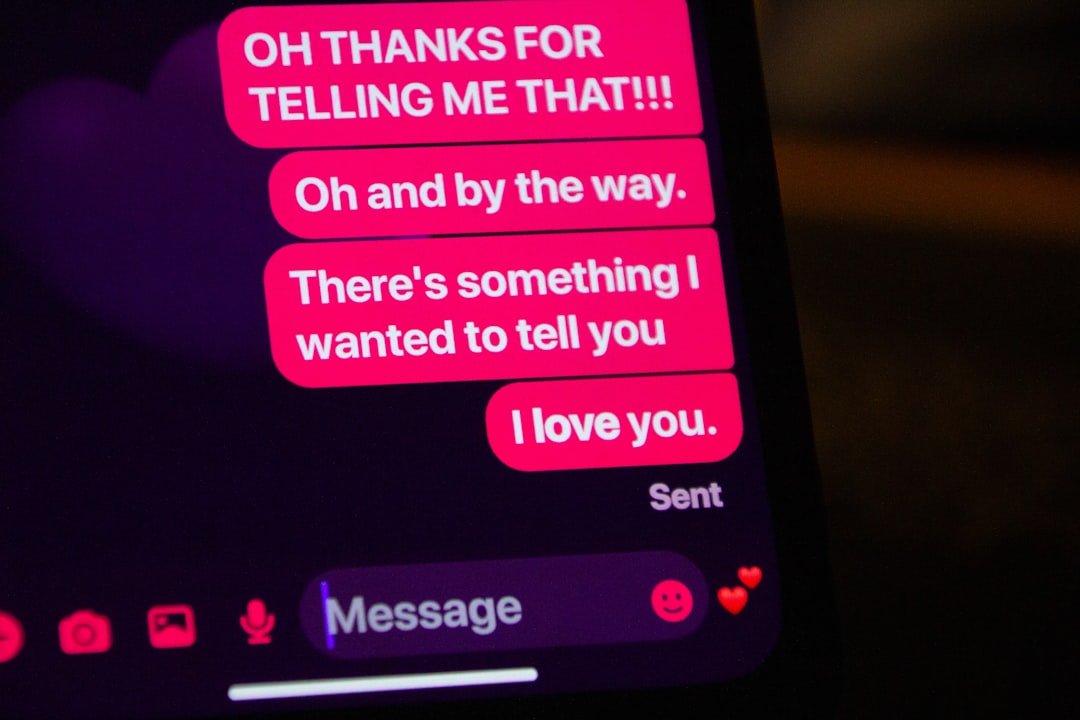
Apple’s interface design plays into the psychology of habit and reward. The ease of emoji access and their vibrant, animated designs create micro-rewards in the brain. Every time adding a GIF or emoji elicits laughter or acknowledgment from another person, a small burst of dopamine reinforces the behavior.
This creates a positive feedback loop. The more emojis you use and receive reaction to, the more likely you are to keep using them. This “stickiness” is no accident; it’s engineered through both psychological and UX principles.
4. Emoji Usage as Digital Empathy
Empathy, the ability to recognize and share the feelings of others, can also be digitally extended through emojis. When a friend sends bad news, responding with a concerned face 😟 or crying emoji 😢 can signal support and understanding—even without text. This mimics real-world signs of empathy like mirroring facial expressions or gentle contact.
In this sense, emojis become vital tools for affective communication, especially in long-distance or purely digital relationships.
The Risks of Miscommunication
While emojis generally help clarify tone, they can also introduce ambiguity. Different generations or cultural groups may interpret the same symbol differently. This misalignment can lead to misunderstanding, conflict, or unintended offense.
For example, while many younger users post the skull emoji (💀) to indicate something is hilarious (“I’m dying of laughter”), older users may still interpret it literally as a symbol of death or danger.
5. Gender Differences in Emoji Interpretation
Emerging research suggests that men and women may interpret and use emojis differently, stemming from broader patterns in emotional literacy and socialization. Women tend to use more emojis overall and are more sensitive to the emotional nuances behind them. Men may use emojis more sparingly but often to add humor or exaggeration to messages.
Recognizing these differences aids in avoiding miscommunication and enhancing digital empathy among users.
Conclusion: Emojis as Digital Psychology Tools
While often dismissed as trivial or playful, emojis represent one of the most profound evolutions of human communication in the digital age. Especially on widely-used platforms like the iPhone, their influence stretches far beyond mere aesthetics.
The way we use emojis reflects our personalities, social ties, and emotional intelligence. It can reveal our internal states and shape relational dynamics just as much as tone or timing in spoken language. Understanding the psychological forces behind our emoji usage can help us become more mindful, empathetic, and effective communicators in the digital world.
Key Takeaways
- Emojis fill the emotional gap in text-based communication.
- Usage patterns reveal insights into personality traits and social identity.
- Social, cultural, and generational contexts significantly shape emoji interpretation.
- Habits are reinforced by psychological reward systems and digital design choices.
- Being emoji-literate enhances digital empathy and minimizes risk of miscommunication.