Whether you’re sending a quick thumbs-up, communicating through a string of smiley faces, or finding just the right heart emoji to match the mood, there’s no denying the cultural significance of iPhone emojis. What started as a quirky Japanese import has now become one of the most important visual languages in the world. But behind the colorful icons we all use daily lies a surprising world of design decisions, hidden meanings, and cultural influences that most people overlook.
TL;DR
iPhone emojis are far more than just cute symbols—they’re culturally nuanced, meticulously designed, and constantly evolving. From their Japanese roots to hidden design quirks, there’s a wealth of trivia that makes emojis fascinating. This article uncovers unexpected facts about emoji design, their Unicode approval process, and how your iPhone displays them. You’ll never look at your emojis the same way again!
1. iPhone Emojis Originate from Japan
Before Apple popularized emoji in the West, they were already a well-established communication form in Japan. The word emoji comes from Japanese: “e” (絵) means “picture” and “moji” (文字) means “character.” The first digital emojis were simple 12×12-pixel images created in the late 1990s by Shigetaka Kurita for NTT DoCoMo’s i-mode mobile internet platform.
When Apple released the iPhone in Japan, they included an emoji keyboard specifically to appeal to Japanese users. Over time, demand for these expressive icons spread globally, leading Apple to expand emoji support around the world.
2. The Emojis You See Are Just a Font
Here’s a little-known fact: emojis aren’t images in the traditional sense. Each emoji is actually a unique character within Unicode, the universal character encoding standard. What you see on your iPhone is Apple’s own interpretation—just a font rendering, much like how Times New Roman displays text differently from Arial.
This is why emoji styles look different on Android, iOS, Windows, and even among different apps. While the underlying Unicode code remains the same (for example, U+1F600 for the grinning face 😀), how it’s displayed is up to each vendor.
3. Emojis Undergo a Rigorous Approval Process
Adding a new emoji to your iPhone isn’t as simple as a graphic designer sketching a new smiley. Emoji proposals go through a detailed application process overseen by the Unicode Consortium—a nonprofit organization charged with standardizing text across devices and platforms.
- Proposals must include the emoji’s meaning, usage frequency, and compatibility with existing emojis.
- There’s also an emphasis on inclusivity and cultural sensitivity.
- Once approved, companies like Apple create their own designs that reflect the cultural and visual aesthetics of their platforms.
So, when you finally get that long-awaited bubble tea or anatomical heart emoji, thank the advocates and bureaucratic steps behind its creation!
4. Skin Tones and Gender Are Technological Triumphs
Emoji diversity didn’t just happen. When Unicode introduced skin tone modifiers in 2015, it marked a major milestone. Inspired by the Fitzpatrick scale—which dermatologists use to classify human skin colors—these modifiers allow users to pick a tone that better represents their identity.
Similarly, the representation of gender has evolved. Originally, emojis were mostly male by default, but today, Apple offers gender-neutral alternatives for many emojis, such as astronauts, doctors, and teachers.
This development required complex encoding solutions. Each variation of an emoji is a sequence of characters strung together and interpreted as one symbol by your iPhone.
5. Some Emoji Have Hidden Meanings
While most emojis seem straightforward, some carry hidden cultural or contextual meanings you might not expect.
- The folded hands emoji 🙏 is commonly interpreted as prayer in Western cultures, but in Japan, it often means “thank you” or a polite request.
- The eggplant 🍆 and peach 🍑 have become infamous for their not-so-innocent uses online, even though they were designed quite literally to represent food.
- The toolbox 🧰 emoji may signify tools or fixing things, but it has also become a symbol for emotional resilience and coping skills in some internet communities.
6. Some Emojis Are iPhone-Exclusive—Sort Of
Emojis are supposed to be standardized, but not all platforms implement them at the same time. Apple is usually quicker to adopt new emojis right after Unicode updates its list. This leads to short periods where iPhone users can see and use new emojis that their friends on other devices can’t view properly.
Instead of the intended icon, non-iPhone users might see a blank square or an X-mark symbol, which can result in confusion (or amusement).
7. Emoji Order on the Keyboard Is Surprisingly Strategic
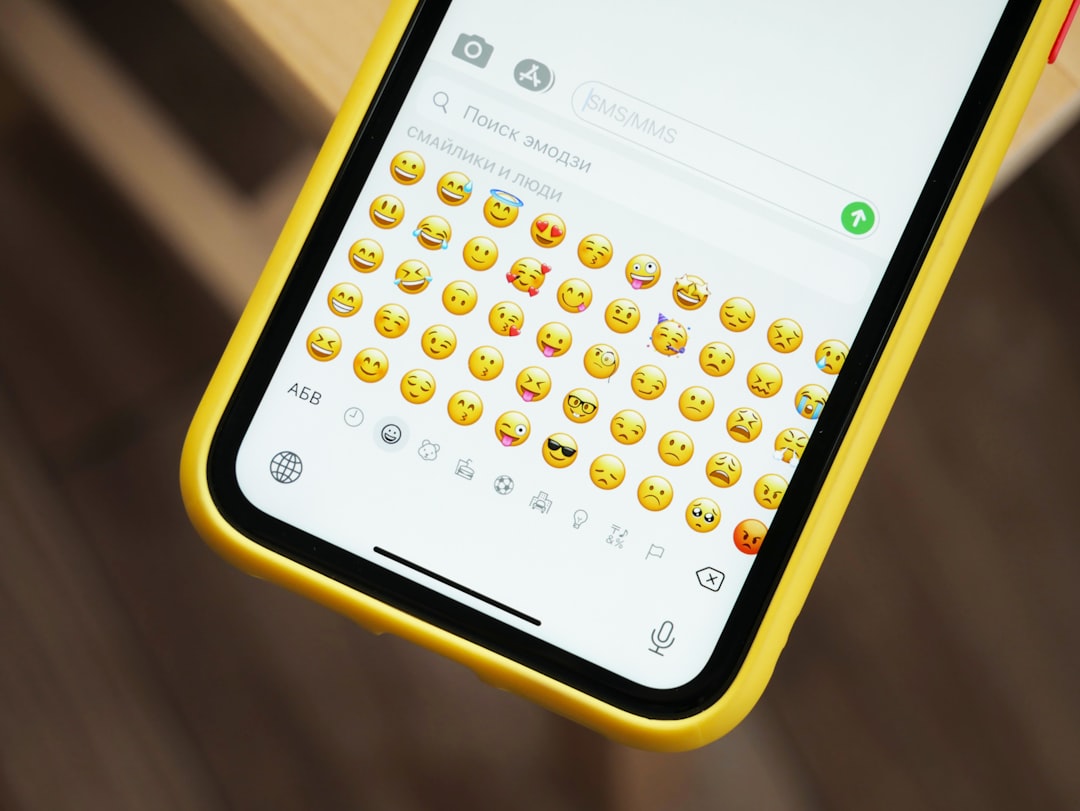
Ever wondered why your favorite emoji is in a certain spot on the iPhone keyboard? The answer lies in design, usage data, and even psychology. Apple arranges emojis not only alphabetically but also based on how often users employ them and the emotional impact they carry.
Your iPhone also remembers your frequently used emojis and places them front and center, ensuring you always have the perfect reaction at your fingertips.
8. Emojis Play a Role in Accessibility
Apple has invested significantly in making technology accessible, and emojis are part of that vision. Blind and visually impaired users often rely on screen readers like VoiceOver. For these users, each emoji has an associated alt-text in the Unicode database, which screen readers vocalize when the emoji appears.
This feature ensures that emojis contribute to—not detract from—the communication experience of all users.
9. There’s a Secret to the “Smiley Faces” Category
The smiley faces you see in your emoji keyboard aren’t just grouped by appearance—they’re classified based on emotional range and context. Apple designed many smiley emojis to represent micro-emotions that text can’t express alone, ranging from mild sarcasm to awkward enthusiasm.
Each version is crafted to subtly distinguish itself. Compare the difference between 😏 and 🙃—the angle of the eyebrows and mouth curve are minor tweaks, but they change the entire emotional subtext.
10. Emojis Can Make or Break Communication
Emojis influence how we interpret messages—and sometimes even misinterpret them. According to linguistic studies, choosing the “wrong” emoji can alter the perceived tone of a message. For instance, the 😐 neutral face is often seen as passive-aggressive, even if the sender didn’t intend it that way.
This has sparked interest in the psychological effects of emoji use. Researchers have found that adding emojis to text can improve emotional clarity and make messages seem friendlier—provided the emoji matches the context.
Closing Thoughts: Small Icons, Big Impact
Next time you post a caption with a heart ❤️ or send a laughing face 😂 in your group chat, take a moment to appreciate the immense technology, culture, and creativity behind your emoji keyboard. Emojis might look simple, but they’re incredibly sophisticated symbols that bridge language barriers, improve emotional expression, and evolve with our digital world.
As Apple continues to innovate, we’ll undoubtedly see even more ways emojis shape how we talk—and how we feel—through our screens.