Emojis have transformed the way we communicate, turning simple text messages into fun, expressive, and sometimes complex interactions. Apple’s iPhone has played a significant role in popularizing these tiny icons, offering an ever-expanding collection that reflects global culture, diversity, technology, and playful expression. Whether you’re a casual user or a digital communication enthusiast, having a deeper understanding of iPhone emojis can unlock a whole new level of conversation.
TLDR: iPhone emojis are more than just cute symbols—they carry meanings, get updated regularly, and often hide surprising uses. Apple continually adds new emojis with software updates, emphasizing inclusivity and cultural relevance. From facial expressions to objects and flags, each category tells its own story. This guide decodes the most commonly used emojis, highlights recent changes, and reveals some hidden emoji features that even seasoned iPhone users may not know.
The Evolution of iPhone Emojis
Apple introduced emojis to the iPhone back in 2008 with iOS 2.2, though they were initially available only in Japan. By 2011, with the debut of iOS 5, Apple made its emoji keyboard freely accessible to users worldwide. Since then, every major iOS update has included new emojis that often reflect societal shifts and cultural trends.
In recent years, updates have focused on diversity, gender inclusivity, accessibility, and current global themes. For instance, Apple introduced visually impaired emojis, non-binary characters, and diverse skin tones to represent a broader demographic.
Emoji Categories Explained
Apple organizes emojis into multiple categories for easy access. Each serves a distinct purpose and is grouped correspondingly in the emoji keyboard:
- Smileys & People: This is the most popular category, featuring emotions, gestures, professions, and characters.
- Animals & Nature: Includes animals, weather, plants, and more—great for crafting nature-themed messages.
- Food & Drink: Representing meals, ingredients, and beverages from around the globe.
- Activity: Sports, games, and events fall into this category.
- Travel & Places: Vehicles, landmarks, and geographic locations.
- Objects: Everyday items like phones, tools, and clocks.
- Symbols: Icons like hearts, zodiac signs, and punctuation.
- Flags: National, regional, and pride flags.
Fun Fact: The “Face with Tears of Joy” 😂 was declared Word of the Year by Oxford Dictionaries in 2015, proving how deeply emojis have embedded themselves into our language.
Most Popular iPhone Emojis and Their Meanings
Certain emojis are used more frequently than others, often because of how well they convey emotion or tone. Here’s what some of the top iPhone emojis typically signify:
- 😂 Face with Tears of Joy: Something is so funny it brought tears to your eyes. Versatile and positive.
- ❤️ Red Heart: Classic symbol of love and affection. Used in both romantic and platonic contexts.
- 😍 Smiling Face with Heart Eyes: Expressing love, admiration, or extreme approval.
- 🔥 Fire: Something is “on fire” in a good way—can refer to a hot topic, idea, or person.
- 🙏 Folded Hands: Often interpreted as prayer, gratitude, or a high-five depending on context.
- 🥺 Pleading Face: Used to convey vulnerability, innocence, or a heartfelt request.
- 💯 Hundred Points: Signifying perfect score or strong agreement.
Emojis can be interpreted differently based on cultural background, context, or even age group. So while one user might use 👀 to show interest or curiosity, another might use it to call out drama in a humorous way.
Hidden iPhone Emoji Features
Beyond their obvious function, Apple has hidden a few clever features designed to expand emoji use:
- Memoji: Create personalized animated avatars that mimic your expressions using iPhone’s Face ID system.
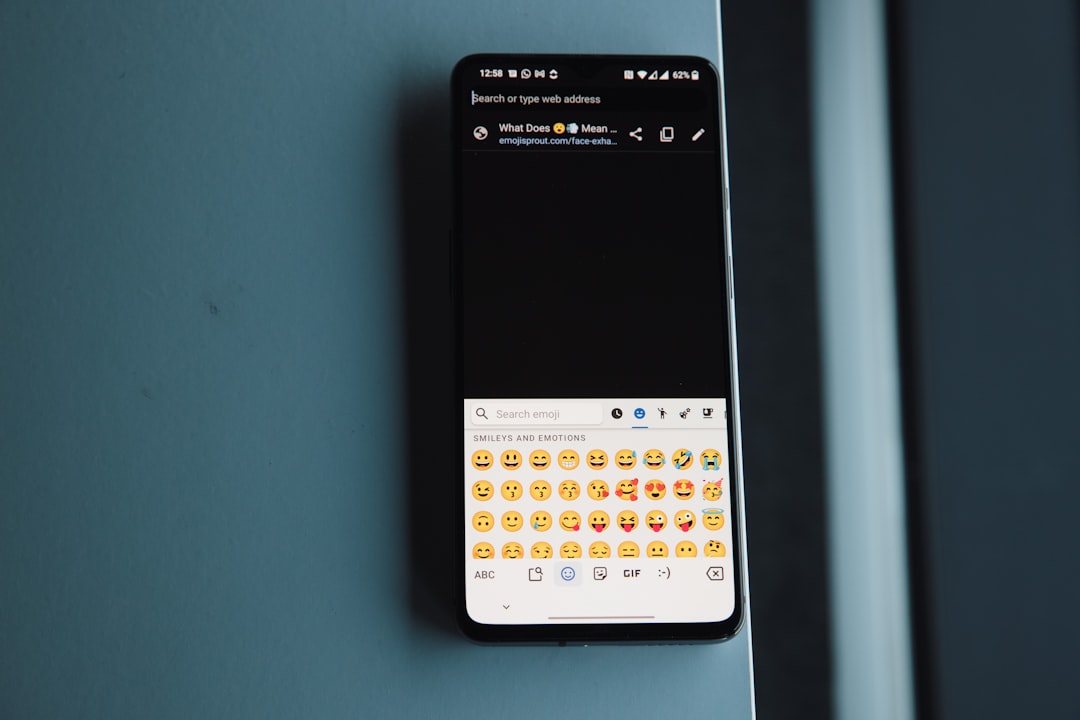
- Emoji Search: Since iOS 14, Apple added a search bar within the emoji keyboard to help you find the perfect emoji instantly.
- Tapback in iMessages: You can use a quick emoji-like reaction (like thumbs up or heart) directly on a message bubble—a great shortcut for quick replies.
- Predictive Emoji: As you type, the keyboard suggests emojis to replace words. For example, typing “pizza” will prompt the 🍕 emoji.
Recent Emoji Updates in iOS
Each major iOS update brings exciting new additions and revisions. With iOS 16 and iOS 17, Apple introduced over 100 new emojis, including:
- 🫠 Melting Face – Used to convey embarrassment, sarcasm, or exhaustion.
- 🪩 Mirror Ball – Celebrates retro nightlife and parties.
- 🫡 Saluting Face – Signifies respect, obedience or acknowledgment.
- 🫶 Heart Hands – Symbolizes love, appreciation, and unity.
Updates also include improved accessibility representations, such as prosthetics, hearing aids, and guide dogs.
Customizing Emoji Use on iPhone
Make your message stand out by using these emoji customization tips:
- Skin Tone Variants: Tap and hold on supported emojis (like 👍 or 🧑) to choose skin color.
- Gender Options: Some professions and activities can have male, female, or gender-neutral characters.
- Family Combinations: Apple supports dozens of family emoji configurations with different genders and skin tones.
By customizing your emoji use, your messages can feel more inclusive and personal, especially in group chats or social posts.
How Emojis Affect Communication
Emojis add layers of emotion and tone that text alone sometimes lacks. Particularly in short-form communication like texts or tweets, they help fill in the emotional gaps. Consider the difference between:
- “Okay.” vs. “Okay 😊” – The emoji softens the message and indicates friendliness.
- “Sure.” vs. “Sure 🙄” – The latter suggests annoyance or sarcasm.
This nonverbal layer creates more human-like interaction, bridging gaps caused by the absence of facial expressions or vocal tones.
Fun and Lesser-Known iPhone Emojis
Some emojis just don’t get the limelight they deserve. Here are a few you might want to start using:
- 🪴 Potted Plant: Great for indoor plant lovers or expressing peace and calm.
- 🛸 Flying Saucer: Perfect for alien, sci-fi or quirky convos.
- 🫖 Teapot: Fancy a virtual tea time? This one adds elegance.
- 🧃 Juice Box: Nostalgic yet underrated.
Emojis are also helpful in bulking up SEO, adding a visual element to email subjects, or guiding readers’ attention on social media.
What’s Next for iPhone Emojis?
Apple’s emoji development is closely tied to the Unicode Consortium, the global standard for text and emoji across platforms. Each year, Apple submits and approves proposals for new emojis reflecting current trends, needs, and voices.
We can expect even more customization, animated reactions, and smarter emoji suggestions using AI and contextual analysis in future iOS updates. Emojis could even become more interactive—imagine emojis that shift expression based on touch or message tone.
Conclusion
Emojis on the iPhone are a vibrant part of modern communication, constantly evolving with cultural, technological, and social dynamics. By understanding their meanings, staying updated with changes, and exploring hidden features, you can make your digital conversations not only more expressive but also more thoughtful. So the next time you send a 😬 or 🎉, remember—you’re using a tiny icon that carries a universe of emotion.