
Emojis have become an integral part of how we communicate in the digital age, spicing up our messages with expressions, objects, animals, food, and endless other representations. Apple, through its iOS updates, has consistently expanded the emoji collection, turning texting into a truly visual language. With each new iOS version, new emojis are added to reflect changing times, inclusivity, and user demands. In this informative timeline, we’ll explore the fascinating evolution of iPhone emojis — update by update.
TLDR:
The iPhone’s emoji collection has grown exponentially since its debut in 2008 with the release of iOS 2.2. Every new iOS update tends to include a fresh batch — sometimes minor, sometimes massive — often reflecting cultural shifts, diversity, or advancements in emoji standards. iOS updates have brought everything from sushi rolls and crying-laughing faces to inclusive, gender-neutral options and even bubble tea. This timeline breakdown showcases how emojis on the iPhone evolved and diversified through the years.
2008: iOS 2.2 – The Emoji Debut
iPhone emojis officially made their debut with iOS 2.2, but there was a catch — they were initially only available in Japan. Apple included this keyboard mainly for the Japanese market, where emojis were already a popular part of text messaging culture. Over 400 Unicode-based emojis were hidden from global users, but third-party apps began unlocking them internationally, and users were hooked.
2011: iOS 5 – Global Emoji Keyboard
With iOS 5, Apple made the emoji keyboard accessible globally, officially launching the emoji craze worldwide. This move opened the door to easy usage in messages and social apps, and the emoji keyboard became a permanent favorite. Emoji options still remained somewhat basic, limited to faces, symbols, food, animals, and flags.
2012–2013: iOS 6 and iOS 7 – Minor Additions
iOS 6 and iOS 7 brought subtle changes. While there were no dramatic additions in iOS 6, iOS 7 refreshed designs with Apple’s shift to a flatter aesthetic. The emoji set was polished to match the translucency and crisp design of the new interface, making familiar emojis look sleeker.
2014: iOS 8.3 – Skin Tone Modifiers
iOS 8.3 introduced one of the most important additions in emoji history — skin tone modifiers. Based on the Fitzpatrick scale, these modifiers allowed users to choose from five additional skin tones for human characters, greatly enhancing representation and diversity.
- New skin options for faces and people emojis
- Diverse family combinations
- Redesigned emoji picker
This update marked a progressive step toward inclusivity and laid the foundation for further socially-conscious updates.
2015: iOS 9.1 – The “Taco” and “Middle Finger” Arrive
The arrival of iOS 9.1 brought 150 new emojis, including now-iconic symbols like the taco, burrito, cheese wedge, unicorn, and even the much-requested middle finger.
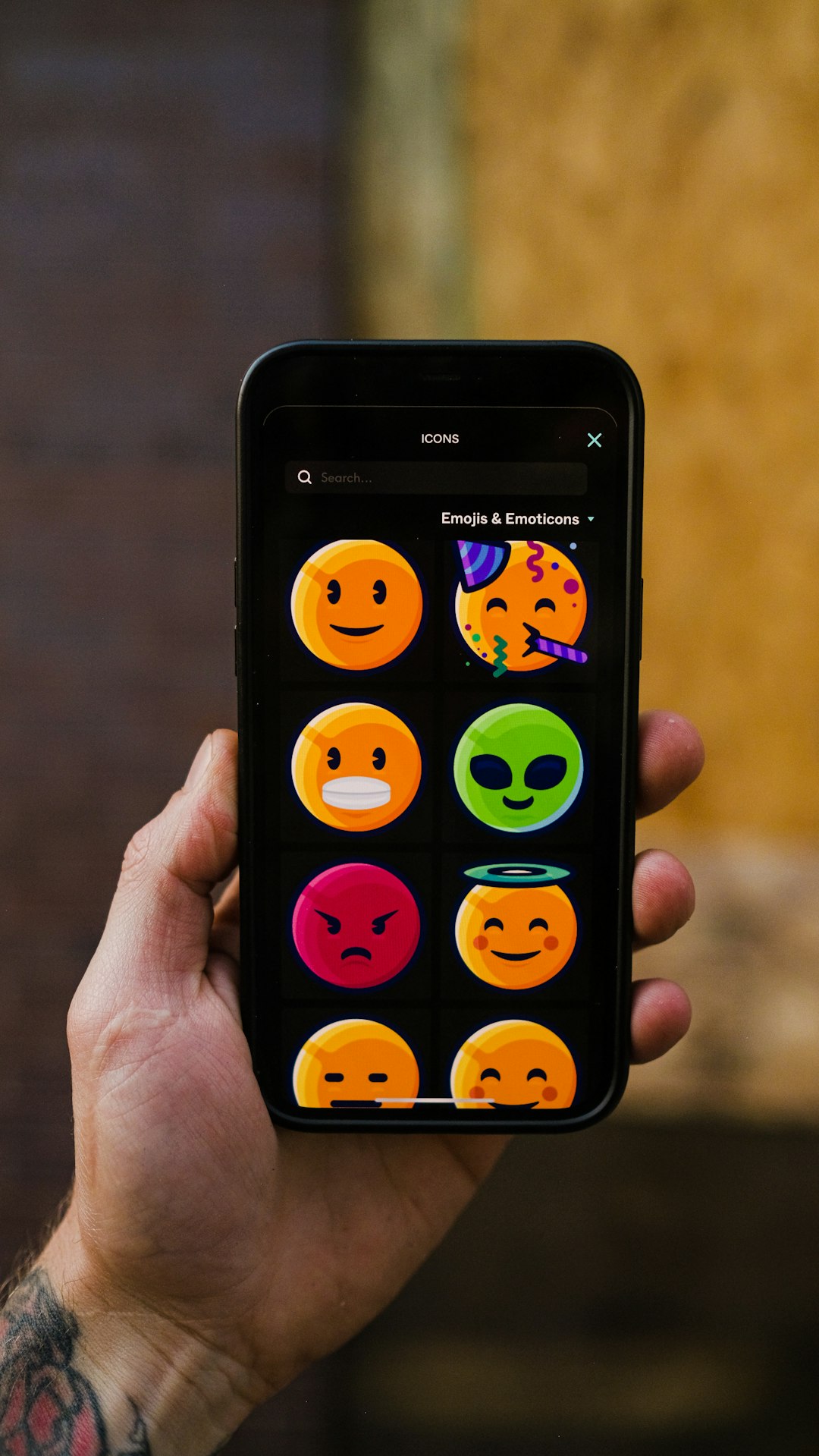
This emoji drop was one of the most vibrant thus far and was heavily influenced by trending topics and popular demand. People often associate iOS 9.1 with ushering in a modern era of playful, relatable emojis.
2016: iOS 10 – Gender and Activity Expansions
iOS 10 furthered Apple’s diversity focus by introducing more gender options for existing activities, including women biking, surfing, and lifting weights. Prior to this, many action or profession emojis were male-only.
- Female police officer, construction worker, and more
- Single-parent family options
- Rainbow flag added
This release began the consistent trend of Apple balancing gender and career representation.
2017: iOS 11.1 – Emoji Party Galore
This update featured a tremendous boost in creative and expressive emojis — over 70 new ones were introduced in iOS 11.1, including:
- Exploding head
- Crazy face
- Zombie and vampire
- Fairy, mage, and elf
- Giraffe, dumpling, and pie

User feedback and Unicode Consortium additions were both driving forces behind these creatively packed releases.
2018: iOS 12.1 – Red-Haired, Curly-Haired, and Bald Emojis
Representation took another step forward with the inclusion of hair-type emojis. iOS 12.1 brought redheads, people with curly hair, bald individuals, and people with white hair into the emoji ecosystem.
Apple also added additional animals like llamas and swans and more food items to reflect global cuisine like bagels and salt.
2019: iOS 13.2 – Accessibility and Inclusion
This update rolled out with a meaningful series of accessibility emojis including:
- People using wheelchairs
- Guide dogs
- Prosthetic limbs
- Individuals with white canes
Other additions included new gender-neutral options and mixed-race couple combinations, furthering user identification and inclusivity through emojis.
2020: iOS 14.2 – The Year of Ever-Growing Diversity
In the wake of global and societal changes, iOS 14.2 delivered 117 new emojis including:
- Ninja
- Transgender flag and symbol
- Dodo and beaver
- Lung and anatomical heart
The expansion into different professional, biological, and cultural categories reflected ongoing global conversations on identity and representation.
2021: iOS 14.5 – Vaccination & Modern Themes
Known for the “syringe-without-blood” emoji makeover, iOS 14.5 aligned with global vaccine rollouts during the COVID-19 pandemic. This update also introduced face exhaling, face with spiral eyes, and gender options for bearded individuals — whether male, female, or nonbinary.
New emoji combinations allowed even greater personalization and customization.
2022: iOS 15.4 – Melting Face & Biting Lip
iOS 15.4 introduced a new stack of expressive emojis including:
- Melting face
- Face with peeking eye
- Heart hands and handshake with multiple skin tone options
- Biting lip (used frequently in pop culture references)
Fun meet function in this set of emotionally rich additions.
2023: iOS 16.4 – New Animals, Hands, and More
The expansion continued with iOS 16.4, offering 21 new emojis such as:
- Pushing hands in various skin tone combinations
- Moose, jellyfish, donkey
- Pea pod and ginger root
- Khanda symbol
The update struck a balance between playful representations and symbols of cultural significance.
2024 and Beyond: What’s Next?
As of 2024, the emoji timeline continues to evolve. Anticipated additions from the Unicode Consortium suggest more inclusive representations may still be on the horizon, from additional disabilities to cultural dress across continents.
Apple’s regular cadence for emoji updates — often alongside major iOS releases — means users can expect continued growth in how they express identity, culture, and emotion via tiny pictures.
Final Thoughts
The evolution of emojis on iPhone has come a long way from the original smiley face bundle. With every major iOS release, Apple not only enhances visual style and clarity but also introduces new elements that promote inclusivity and cultural awareness. What started as a quirky communication tool has become a universal language with significant social impact.
Whether you’re a frequent emoji user or just emoji-curious, one thing is certain: with each iOS update, the emoji universe becomes just a bit more interesting, expressive, and inclusive.