
Ecommerce brands face fierce competition, and ranking product pages on search engines has never been more challenging. With thousands of similar listings competing for attention, manual optimization is no longer efficient or scalable. This is where AI-powered SEO tools and services have transformed the landscape, helping online retailers automate keyword research, optimize product descriptions, improve technical SEO, and increase conversions through data-driven insights.
TLDR: AI SEO tools help ecommerce brands automate product page optimization, improve keyword targeting, and increase organic conversions. The best solutions combine AI content generation, competitor analysis, technical optimization, and search intent matching. Tools like Surfer SEO, Jasper, Alli AI, Frase, Semrush AI, and Shopify Magic streamline workflows while improving rankings. Choosing the right combination depends on store size, competition level, and content volume needs.
Below are the six best AI SEO tools and services for ecommerce product pages, each offering unique advantages for scaling visibility and revenue.
1. Surfer SEO – AI-Driven On-Page Optimization
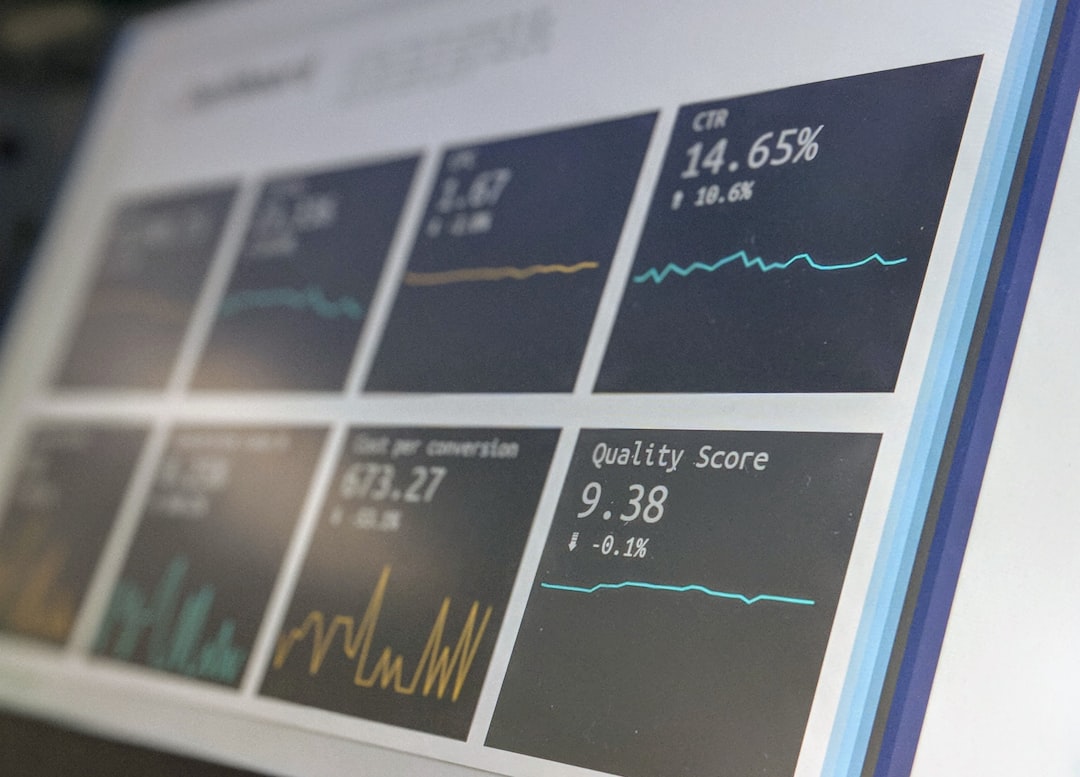
Surfer SEO is widely recognized for its powerful on-page optimization engine. It analyzes top-ranking pages for a specific keyword and generates data-backed recommendations for improving product descriptions, meta tags, headings, and content structure.
Key Features:
- Content Editor with real-time SEO scoring
- Keyword density and NLP recommendations
- Competitor-based content structure analysis
- SERP similarity scoring
For ecommerce product pages, Surfer helps merchants ensure that product descriptions include necessary semantic keywords and entities that Google expects. Rather than guessing keyword placement, brands can model high-ranking competitor pages and optimize accordingly.
Best for: Mid-sized and large ecommerce stores looking for precise, data-based content optimization.
2. Jasper – AI Product Description Writing at Scale
Creating hundreds or thousands of optimized product descriptions is one of the biggest SEO bottlenecks in ecommerce. Jasper AI addresses this by generating conversion-focused, keyword-optimized copy at scale.
What makes Jasper powerful for ecommerce:
- AI-generated product descriptions tailored to brand voice
- SEO keyword integration within content
- Bulk content creation workflows
- Brand memory and tone customization
Jasper can rewrite duplicate manufacturer descriptions into unique, SEO-friendly content. This is particularly valuable for dropshipping or multi-retailer stores where duplicate content issues often prevent ranking improvements.
Best for: Ecommerce brands needing scalable content creation without sacrificing SEO quality.
3. Semrush AI – Comprehensive SEO Intelligence
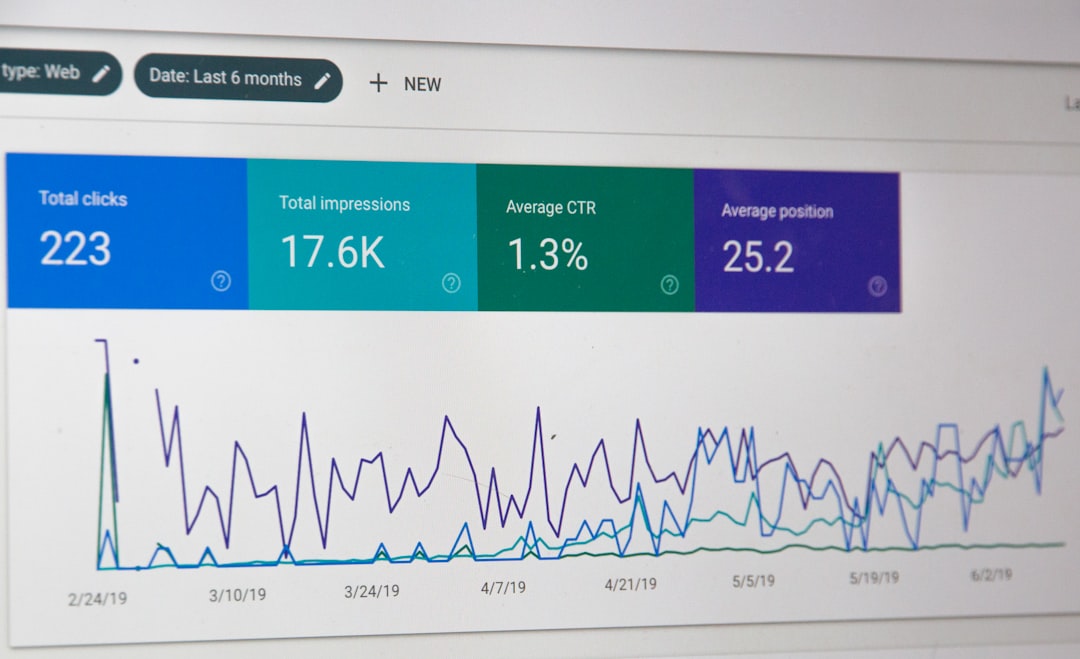
Semrush has integrated AI into its already powerful SEO ecosystem, making it a one-stop solution for product page optimization.
Core advantages:
- Advanced keyword research and clustering
- AI-driven SEO writing assistant
- Product listing optimization recommendations
- Competitor product page tracking
Semrush helps ecommerce brands identify high-intent commercial keywords, including long-tail search queries such as “best waterproof hiking boots for winter.” These buyer-focused phrases often convert better than broad keywords.
Additionally, its competitor analysis enables retailers to reverse-engineer successful product pages and spot keyword gaps.
Best for: Businesses seeking an all-in-one SEO research and execution platform.
4. Frase – Search Intent Optimization
Frase excels at aligning content with search intent, a critical ranking factor for ecommerce pages. Instead of stuffing keywords, Frase analyzes top-ranking pages to determine what questions and information users expect to see.
Key functionalities:
- SERP-based content briefs
- AI question and answer generation
- Content gap discovery
- Optimization scoring
For example, if a user searches for “best anti-aging serum for sensitive skin,” Google may favor product pages that include FAQs, ingredient explanations, and safety details. Frase identifies these expectations and helps structure product content accordingly.
Best for: Ecommerce brands that want to dominate long-tail and informational-commercial hybrid searches.
5. Alli AI – Automated Technical SEO Improvements
Technical SEO plays a significant role in product page visibility. Alli AI focuses on automating technical adjustments directly on your website, making it especially useful for large ecommerce catalogs.

Notable features:
- Automated bulk optimization rules
- Schema markup deployment
- Internal linking automation
- A/B SEO testing
Structured data (schema markup) is essential for ecommerce pages to qualify for rich snippets like product ratings, price ranges, and availability markers. Alli AI simplifies the implementation of product schema across hundreds of pages.
Best for: Large-scale ecommerce stores with complex architecture and frequent catalog updates.
6. Shopify Magic – Native AI for Shopify Stores
For Shopify merchants, Shopify Magic offers AI-powered content assistance built directly into the platform. While newer than some established SEO suites, its native integration makes it highly convenient.
What Shopify Magic provides:
- Auto-generated product descriptions
- SEO meta title and meta description suggestions
- Email and marketing content support
- Simplified content editing workflows
Because it integrates seamlessly into Shopify’s product management environment, it reduces reliance on external copywriting tools. While not as advanced as full SEO research platforms, it is a strong starting point for small to mid-sized Shopify stores.
Best for: Shopify store owners seeking simplicity and ease of implementation.
How AI SEO Tools Improve Ecommerce Product Pages
Implementing AI tools enhances ecommerce SEO in several measurable ways:
- Increased organic traffic: Better keyword targeting improves search ranking positions.
- Improved conversion rates: Optimized descriptions address buyer concerns and intent.
- Time savings: Automation reduces manual workloads.
- Scalable optimization: Bulk editing ensures consistency across large catalogs.
- Better competitive positioning: Real-time competitor tracking reveals gaps.
Rather than replacing human marketers, AI augments their decision-making with large-scale data analysis and predictive modeling.
Choosing the Right AI SEO Tool
Each ecommerce store has unique needs. Selection should depend on:
- Catalog size
- Budget constraints
- Team expertise
- Competitive landscape
- Content production volume
Smaller businesses may prioritize AI copy generation, while enterprise-level stores often require advanced technical automation and full competitive intelligence.
In many cases, the most effective approach involves combining tools—for example, pairing Surfer SEO for optimization with Jasper for scalable content creation.
FAQ: AI SEO Tools for Ecommerce
1. Are AI-generated product descriptions good for SEO?
Yes, provided they are customized and optimized properly. AI tools help create unique, keyword-targeted descriptions, but human review is recommended to maintain brand voice and factual accuracy.
2. Can AI tools replace SEO specialists?
No. AI enhances efficiency by automating analysis and recommendations, but strategic oversight, branding decisions, and competitive positioning still require human expertise.
3. Do AI SEO tools help with Google’s algorithm updates?
Many AI platforms adapt quickly by analyzing ranking changes and SERP behavior. Tools like Semrush and Surfer continuously update their recommendations based on current search data.
4. How much do AI SEO tools typically cost?
Pricing varies widely. Basic plans may start around $30–$50 per month, while advanced enterprise-level solutions can exceed several hundred dollars monthly depending on feature depth and usage limits.
5. Are AI tools safe for avoiding duplicate content penalties?
Yes, when used correctly. AI rewriting and content generation can create unique product descriptions, reducing duplication issues common in ecommerce catalogs.
6. Which AI SEO tool is best for beginners?
Shopify Magic or Jasper are often easiest for beginners due to their user-friendly interfaces and straightforward content generation capabilities.
AI-powered SEO tools are no longer futuristic luxuries—they are competitive necessities in ecommerce. By automating data analysis, keyword research, content creation, and technical optimization, these tools empower brands to scale faster and rank smarter. Choosing the right mix of AI solutions allows ecommerce businesses to transform their product pages into high-performing, search-optimized revenue engines.