Managing affiliate websites at scale requires far more than publishing product reviews and inserting tracking links. Sustainable success depends on precise search engine optimization, reliable analytics, performance monitoring, and the ability to adapt quickly to algorithm changes. Whether you operate a single niche site or oversee a portfolio of affiliate properties, the platform you choose can directly influence rankings, conversions, and long-term profitability.
TLDR: Choosing the right platform for affiliate websites is critical for combining SEO performance with actionable analytics. WordPress with advanced plugins, Webflow, Wix Studio, and HubSpot CMS each offer unique advantages for affiliate marketers. The best choice depends on your technical expertise, scalability needs, and how advanced you want your SEO and reporting capabilities to be. Below is a detailed breakdown with comparisons to help you decide.
Below are four powerful platforms that provide integrated SEO and analytics features suitable for professional affiliate website management.
1. WordPress (With Advanced SEO and Analytics Plugins)
WordPress remains the dominant platform for affiliate marketers for a reason: flexibility, extensibility, and full ownership. It powers over 40% of websites globally and provides unmatched customization capabilities through plugins and themes.

Why it works for affiliate websites:
- Full control over on-page SEO (titles, meta descriptions, schema)
- Powerful SEO plugins like Rank Math and Yoast SEO
- Advanced analytics via Google Analytics, GA4 integrations, and custom tracking
- Affiliate link management tools such as ThirstyAffiliates and Pretty Links
- Scalable with high-performance hosting
WordPress enables deep search engine optimization customization, including:
- Schema markup for product reviews
- Internal linking optimization
- Custom taxonomy for affiliate categories
- Technical SEO tweaks via plugins
Additionally, integration with tools like Google Search Console, Ahrefs, SEMrush, and conversion tracking dashboards ensures that affiliate marketers can measure keyword rankings, user behavior, and conversion pathways.
Best for: Experienced marketers, SEO professionals, and growing affiliate portfolios.
Main drawback: Requires maintenance, security monitoring, and hosting management.
2. Webflow
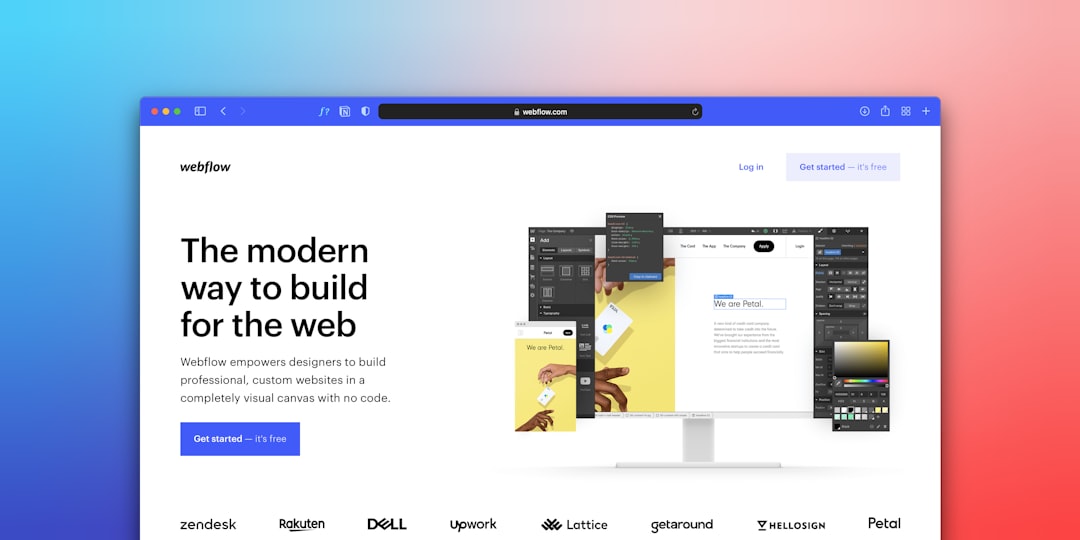
Webflow has emerged as a strong alternative for affiliate marketers who prioritize design flexibility without sacrificing SEO control. It combines visual website building with clean, production-ready code output.
SEO Strengths:
- Clean HTML and CSS structure
- Full control over meta titles and descriptions
- Automatic XML sitemap generation
- 301 redirect management
- Fast page speeds with optimized hosting
What distinguishes Webflow is its ability to create structured CMS collections for affiliate content, such as product reviews, comparison pages, and resource hubs. This makes it easier to scale content while maintaining strong information architecture.
Webflow integrates with Google Analytics and other reporting tools seamlessly. For affiliate marketers who depend heavily on landing page optimization and custom layout design for higher conversions, Webflow offers stronger design autonomy than most no-code builders.
Best for: Affiliate marketers who value design performance and structured content systems.
Main drawback: Smaller plugin ecosystem compared to WordPress.
3. Wix Studio
Wix has undergone substantial improvements over the years and has become more SEO-friendly than many once believed. Wix Studio, the more advanced offering, is tailored to professionals who require flexible design with structured SEO tools.
Key SEO and analytics features:
- Custom meta tags and structured data support
- Automated sitemap generation
- Integrated SEO checklist guidance
- Native analytics dashboard
- Direct Google Analytics integration
Wix’s built-in SEO wizard simplifies optimization for affiliate site owners who may not have technical experience. It provides step-by-step guidance to ensure core ranking factors are addressed.
From an analytics standpoint, Wix offers visual engagement reports, behavior tracking, and traffic source analysis directly within the platform. This can help identify which affiliate pages generate the highest click-through rates and revenue potential.
Best for: Beginners or intermediate affiliate marketers seeking simplicity with professional features.
Main drawback: Limited backend access compared to WordPress.
4. HubSpot CMS
HubSpot CMS is a more enterprise-oriented solution but increasingly attractive for affiliate marketers operating at scale. What sets HubSpot apart is its deep integration between content management, analytics, and marketing automation.
Notable advantages:
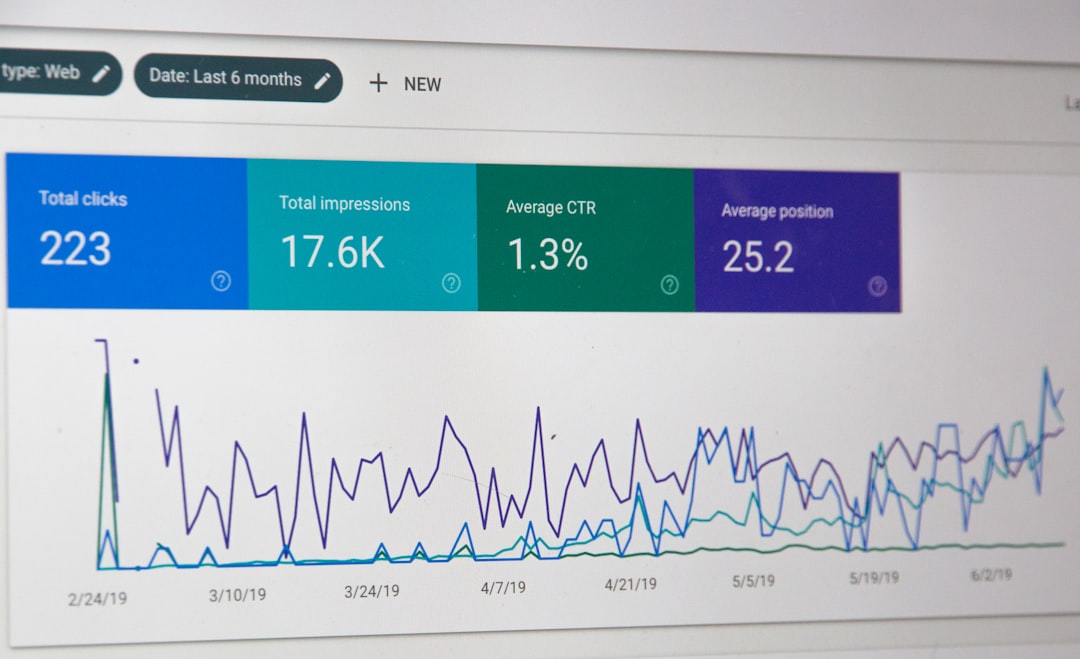
- Advanced traffic analytics and attribution reporting
- Built-in SEO recommendations
- A/B testing capabilities
- Integrated email marketing and automation
- Lead tracking and customer journey mapping
Affiliate marketers who run sophisticated funnels, email campaigns, or retargeting strategies can benefit significantly from HubSpot’s centralized ecosystem. It provides insight not just into clicks, but into full conversion journeys.
The platform automatically surfaces SEO recommendations, identifies optimization opportunities, and monitors performance metrics in real time.
Best for: Advanced marketers, agencies, and affiliate operations tied to content marketing funnels.
Main drawback: Higher cost compared to other platforms.
Comparison Chart
| Platform | SEO Customization | Analytics Capabilities | Ease of Use | Scalability | Best For |
|---|---|---|---|---|---|
| WordPress | Very High (plugins, full code access) | Advanced with integrations | Moderate | Extremely High | Professional affiliate marketers |
| Webflow | High (clean code control) | Strong with integrations | Moderate | High | Design-focused affiliates |
| Wix Studio | Moderate to High | Built-in + external integrations | High | Moderate | Beginners and small teams |
| HubSpot CMS | High with automated suggestions | Enterprise-level reporting | Moderate | Very High | High-revenue affiliate businesses |
Key Factors When Choosing a Platform
To make an informed decision, affiliate website operators should consider the following criteria:
1. SEO Control
Can you edit schema, manage redirects, optimize page speed, and structure internal linking? WordPress leads in raw flexibility, while Webflow excels in clean code output.
2. Analytics Depth
If your affiliate income depends on micro-optimizations, detailed reporting is essential. HubSpot offers advanced attribution modeling, while WordPress depends on external integrations.
3. Conversion Optimization Tools
A/B testing, heatmaps, and behavioral tracking provide measurable revenue improvements. HubSpot and WordPress (via plugins) offer the most options.
4. Maintenance Requirements
Some platforms require technical upkeep. WordPress demands active management, while Wix and HubSpot handle much of the infrastructure for you.
5. Long-Term Scalability
If you plan to scale to dozens or hundreds of affiliate pages, CMS structure and performance optimization become crucial considerations.
Final Thoughts
Affiliate marketing is increasingly competitive, and relying on basic website builders without strong SEO and analytics capabilities is no longer sufficient. The most successful affiliate operations treat their websites as data-driven digital assets, not static content pages.
WordPress offers unmatched flexibility and remains the gold standard for serious SEO professionals. Webflow provides structured design control with excellent performance. Wix Studio delivers accessibility combined with improving SEO infrastructure. HubSpot CMS stands out for data-heavy, conversion-driven affiliate environments.
The optimal platform ultimately depends on your technical knowledge, growth ambitions, and the complexity of your affiliate strategy. By selecting a solution that balances SEO power and analytics visibility, you position your affiliate websites for measurable, long-term success.