For modern marketing agencies, social media reporting is no longer a monthly chore—it is a mission-critical process that demonstrates value, drives strategic decision-making, and strengthens client trust. As client portfolios grow and platforms multiply, manual reporting quickly becomes unsustainable. Automated social media reporting software offers agencies a scalable, accurate, and time-efficient solution that transforms raw data into clear, client-ready insights.
TL;DR: Automated social media reporting platforms help agencies save time, reduce errors, and deliver professional, data-driven reports at scale. Tools like Sprout Social, Hootsuite, AgencyAnalytics, Databox, and Whatagraph stand out for their automation, customization, and integration capabilities. The right choice depends on your agency’s size, client volume, and reporting complexity. Investing in reliable automation improves client transparency and long-term retention.
Why Agencies Need Automated Social Media Reporting
Agencies face growing pressure to prove ROI across multiple social platforms—often for dozens of clients simultaneously. Manual data exports, spreadsheet consolidation, and slide deck preparation can drain valuable strategic time. Automation eliminates repetitive tasks, minimizes reporting errors, and ensures consistency.
Key benefits include:
- Time efficiency: Schedule recurring reports and eliminate manual data collection.
- Accuracy: Reduce human error with direct API data integrations.
- Professional presentation: Provide branded, client-ready dashboards and reports.
- Scalability: Manage growing client portfolios without increasing operational strain.
Below are five trusted automated social media reporting platforms widely used by agencies.
1. Sprout Social
Sprout Social is a comprehensive social media management platform with advanced reporting capabilities designed for professional teams. It is particularly valued for its deep analytics and intuitive report customization tools.
Key Features:
- Automated, scheduled report delivery
- Cross-platform performance comparisons
- Advanced engagement and audience insights
- Customizable branded reports (PDF and web-based)
Best For: Mid-sized to large agencies that require in-depth engagement analytics and team collaboration tools.
Strengths: Clean visual reports, strong customer support, enterprise-level capabilities.
Considerations: Higher pricing point compared to some competitors.
2. Hootsuite
Hootsuite is one of the most established social media platforms in the market. Its reporting functionality integrates seamlessly with its scheduling and monitoring features, making it a well-rounded choice for agencies seeking unified workflows.
Key Features:
- Custom report builders with drag-and-drop widgets
- Automated exports and email scheduling
- Multi-platform integration (Facebook, Instagram, LinkedIn, X, TikTok)
- Team performance tracking
Best For: Agencies that manage publishing, engagement, and reporting within one centralized platform.
Strengths: Wide platform coverage, flexible add-ons, reliable infrastructure.
Considerations: Advanced analytics often require premium plans.
3. AgencyAnalytics
AgencyAnalytics is built specifically for marketing agencies. It focuses heavily on client reporting automation, including white-label dashboards and automated client login access.

Key Features:
- Fully white-labeled dashboards
- Automated monthly report scheduling
- Over 75 marketing integrations
- Client-specific KPI tracking
Best For: Agencies managing multiple clients that require fully branded reporting experiences.
Strengths: Designed specifically for agencies, strong SEO and PPC integration alongside social reporting.
Considerations: Interface design is more functional than visually cutting-edge.
4. Databox
Databox focuses on real-time data visualization. Unlike traditional static PDF reports, it emphasizes live dashboards that agencies and clients can access at any time.
Key Features:
- Real-time performance dashboards
- Custom KPI goal tracking
- Multi-source data blending
- Automated performance alerts
Best For: Agencies that prioritize data storytelling and real-time KPI visibility.
Strengths: Highly visual dashboards, strong goal-tracking tools, flexible integrations.
Considerations: May require more setup time to configure properly.
5. Whatagraph
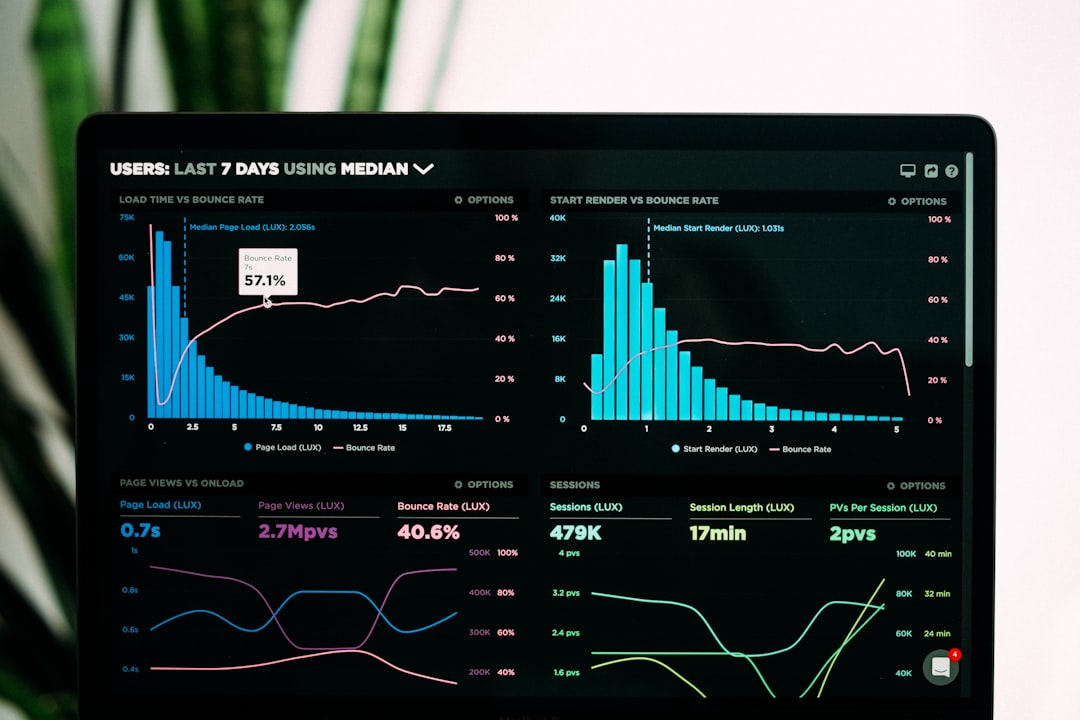
Whatagraph excels in transforming complex marketing data into visually appealing reports. It is particularly known for its client-friendly layouts and ease of use.
Key Features:
- Drag-and-drop report builder
- Automated cross-channel reports
- White-label options
- Data blending across paid and organic channels
Best For: Agencies looking to deliver visually compelling, presentation-ready reports without heavy customization work.
Strengths: Strong design, easy onboarding, wide integration ecosystem.
Considerations: Some advanced metrics may require higher-tier plans.
Comparison Overview
| Platform | Best For | White Label | Real-Time Dashboards | Agency Focus |
|---|---|---|---|---|
| Sprout Social | Deep analytics & enterprise teams | Limited | Yes | Moderate |
| Hootsuite | All-in-one management | Limited | Yes | Moderate |
| AgencyAnalytics | Multi-client agencies | Full | Yes | Strong |
| Databox | Real-time KPI tracking | Partial | Strong | Moderate |
| Whatagraph | Visual client reporting | Full | Yes | Strong |
How to Choose the Right Platform for Your Agency
Selecting the appropriate reporting tool requires careful evaluation of:
- Client volume: Larger portfolios benefit from full automation and white-label capabilities.
- Data complexity: Agencies combining SEO, PPC, and social data may prefer multi-channel integration strength.
- Customization needs: Some clients require granular metrics and bespoke KPIs.
- Budget considerations: Advanced features typically increase subscription costs.
Agencies should also assess integration stability. Inconsistent API data can undermine report reliability and erode client trust. Request demonstrations, test automation scheduling, and evaluate how easily non-technical team members can generate reports.
The Strategic Advantage of Automation
Automated reporting does more than save time—it reshapes agency operations. Teams shift from data gathering to insight development. Instead of compiling spreadsheets, strategists analyze trends, optimize campaigns, and proactively adjust tactics.
From a client perspective, consistency builds credibility. Receiving professionally formatted, on-time reports each month reinforces confidence and transparency. For agencies seeking long-term retainers, this operational reliability becomes a competitive advantage.
Furthermore, centralized dashboards improve internal accountability. Managers can monitor account performance across teams, ensuring campaign standards remain high.
Final Thoughts
Social media performance reporting is one of the most visible deliverables agencies provide. Choosing the right automated platform can significantly improve efficiency, reporting accuracy, and client satisfaction. Sprout Social and Hootsuite offer comprehensive management ecosystems, AgencyAnalytics focuses squarely on agency scalability, Databox emphasizes real-time KPI visibility, and Whatagraph specializes in visually compelling client reporting.
There is no universal solution; each platform addresses different operational priorities. However, agencies that invest in reliable automation consistently benefit from improved workflows and stronger client relationships.
In a competitive digital landscape, the ability to deliver clear, consistent, and data-driven results is not optional—it is foundational to sustainable agency growth.