AI image generation is evolving at an extraordinary pace, and platforms like Krea AI have attracted attention for enabling real-time, intuitive creative workflows. However, Krea AI is not the only solution available. Designers, marketers, content creators, and product teams often require different capabilities, pricing models, or levels of control that may lead them to explore alternatives. Choosing the right AI image generation tool can dramatically influence workflow efficiency and visual quality.
TLDR: While Krea AI offers powerful real-time image generation, several strong alternatives provide equal or greater flexibility depending on your needs. Midjourney, DALL·E, Stable Diffusion, Adobe Firefly, Leonardo AI, Artbreeder, and Runway each excel in different areas such as customization, realism, branding support, and video integration. Your ideal tool depends on whether you prioritize precision, artistic style, commercial licensing, or advanced editing capabilities. The comparison chart below summarizes their core strengths to help you decide quickly.
What to Look for in a Krea AI Alternative
Before diving into the list, it’s important to understand the criteria that matter most:
- Image Quality: Resolution, realism, and stylistic depth.
- Customization: Prompt control, fine-tuning, and editing tools.
- Commercial Usage: Licensing terms for business use.
- Ease of Use: User interface and workflow integration.
- Integration: Compatibility with design platforms and APIs.
The best alternative for one user may not be suitable for another. Let’s examine seven of the strongest contenders.
1. Midjourney
Best for: Highly artistic and visually striking imagery.
Midjourney has earned a reputation for producing cinematic, painterly, and highly stylized visuals. It operates primarily through Discord, which appeals to creative communities seeking collaborative environments.
Why it stands out:
- Exceptional artistic interpretation of prompts
- Strong community-driven feedback loop
- Frequent model improvements
While it may offer less granular editing than some competitors, its raw output quality is among the best available. For branding, concept art, and visual storytelling, Midjourney remains a leading choice.
2. DALL·E
Best for: Balanced realism and prompt accuracy.
DALL·E has evolved into a sophisticated image generation system known for accurately translating nuanced prompts into visuals. Its integration with conversational AI environments allows users to refine prompts interactively.
Key advantages:
- Strong contextual understanding
- Precise object placement
- Built-in image editing and inpainting
For businesses requiring reliable, brand-consistent visuals with controlled iteration, DALL·E offers a stable and adaptable solution.
3. Stable Diffusion
Best for: Full customization and open-source flexibility.
Stable Diffusion distinguishes itself by being open-source, allowing developers and advanced users to modify the model extensively. It can run locally on powerful hardware, offering control over data privacy and cost.
Key strengths include:
- Custom model training
- Style fine-tuning
- Community-built extensions

For technical users or organizations seeking complete transparency and customization, Stable Diffusion is often the preferred alternative to Krea AI.
4. Adobe Firefly
Best for: Commercial-safe and brand-aligned content.
Adobe Firefly is deeply integrated into Adobe Creative Cloud, making it highly appealing for professional designers. One of its most significant advantages is that it is trained on licensed content, reducing concerns about copyright compliance.
Why professionals choose Firefly:
- Photoshop and Illustrator integration
- Commercial-safe datasets
- Advanced text effects and generative fill
For agencies and enterprises prioritizing legal clarity and seamless integration into established workflows, Firefly is a strong contender.
5. Leonardo AI
Best for: Game assets and concept art production.
Leonardo AI has built a reputation for serving game developers and creative studios. It allows users to train custom models tailored to a specific visual aesthetic.
Notable advantages:
- Asset-focused workflows
- Style-consistent batch generation
- Growing model marketplace
Compared to Krea AI, Leonardo provides deeper model personalization, making it especially valuable for teams with distinctive aesthetic requirements.
6. Artbreeder
Best for: Character design and genetic-style image blending.
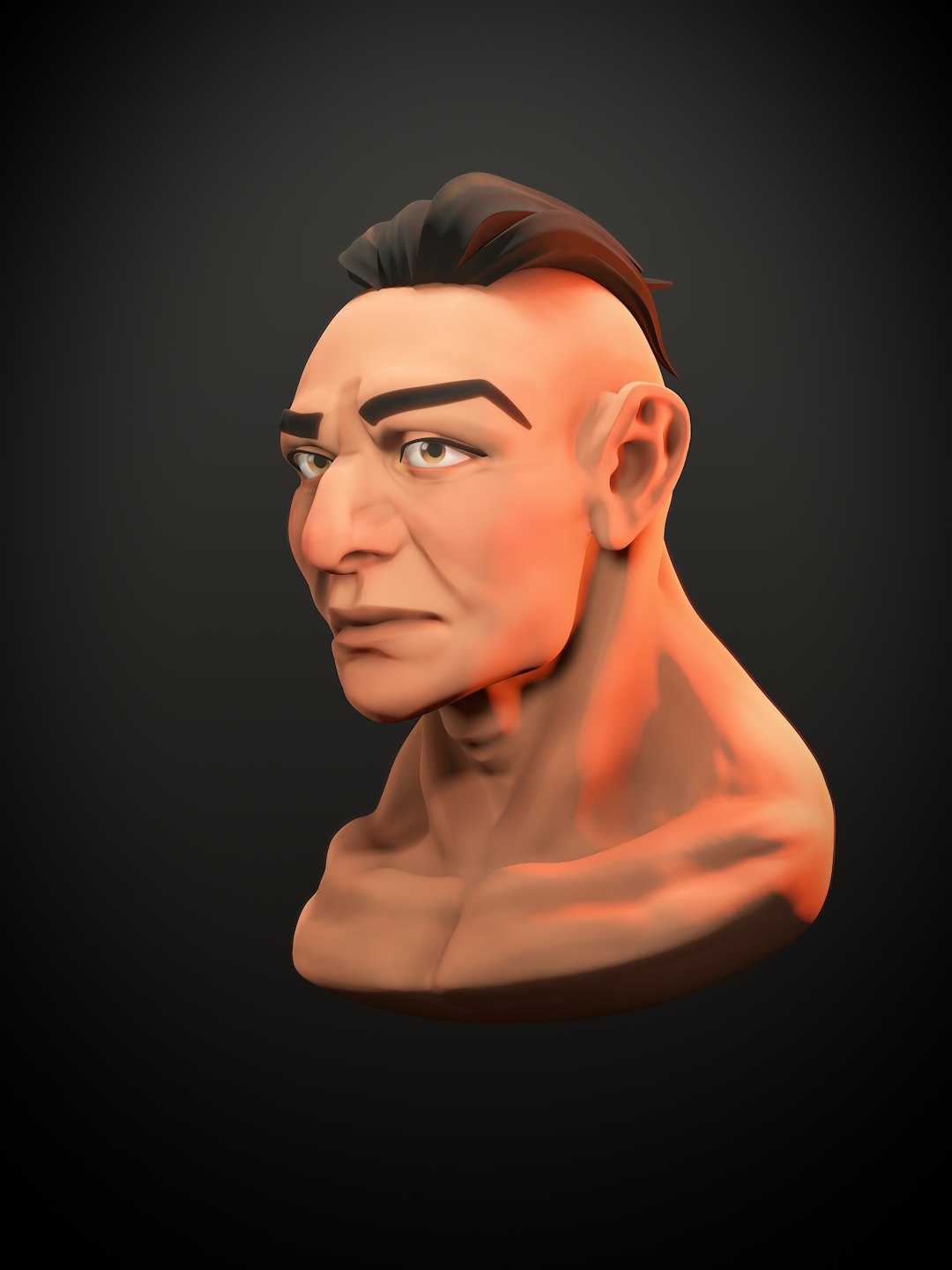
Artbreeder uses a unique collaborative model, allowing users to blend images and refine traits incrementally. Rather than focusing solely on text prompts, it emphasizes visual evolution.
Core features:
- Attribute sliders for facial adjustments
- Collaborative remixing
- Iterative visual mutation
For character artists and storytellers, Artbreeder provides a structured yet creative alternative that differs from pure prompt-based generation systems.
7. Runway
Best for: Image and video integration.
Runway goes beyond still images by offering advanced video generation and editing tools. For creators working across multiple media formats, this unified approach is highly beneficial.
Key highlights:
- AI video editing
- Green screen removal
- Motion generation capabilities
Teams looking for a design ecosystem that combines images, animation, and video will find Runway particularly compelling.
Comparison Chart
| Tool | Best For | Customization Level | Ease of Use | Commercial Friendly |
|---|---|---|---|---|
| Midjourney | Artistic visuals | Moderate | Moderate | Yes |
| DALL·E | Prompt accuracy | High | High | Yes |
| Stable Diffusion | Full customization | Very High | Moderate | Yes |
| Adobe Firefly | Professional design | High | High | Strong emphasis |
| Leonardo AI | Game assets | Very High | High | Yes |
| Artbreeder | Character design | Moderate | High | Yes |
| Runway | Image and video | High | High | Yes |
Final Considerations
Selecting the right Krea AI alternative depends largely on your priorities. If you demand artistic excellence, Midjourney may lead the way. For enterprise-level integration, Adobe Firefly provides clarity and reliability. Developers and advanced creators often gravitate toward Stable Diffusion or Leonardo AI for deeper customization.
It is also wise to consider pricing structures, API availability, and data security policies before committing to a tool. Many platforms offer free tiers or trial credits, allowing you to test functionality firsthand.
As AI image generation continues to mature, competition among tools benefits end users through improved precision, safety, and creative freedom. Rather than searching for a universally “best” solution, focus on aligning the tool with your workflow, compliance needs, and creative ambitions.
By evaluating the strengths outlined above, you can confidently select a platform that not only matches Krea AI’s capabilities but, in many cases, surpasses them for your specific use case.