
Think about the last time you waited in line for coffee, boarded a bus, or submitted a support ticket. In many of these situations, the rule is simple: the person who arrives first gets served first. That basic idea is known as FCFS, short for First Come, First Served. It is one of the most familiar ways to organize access to limited time, space, products, or attention.
TLDR: FCFS means First Come, First Served, a system where requests, customers, or tasks are handled in the order they arrive. It is simple, fair on the surface, and easy to understand, which is why it appears in queues, customer service, computing, shipping, events, and everyday life. However, FCFS can also create long waits or inefficiencies when some tasks take much longer than others.
What Does FCFS Mean?
FCFS stands for First Come, First Served. It describes a process where the first person, order, request, or task to arrive is the first one to be handled. The second arrival is handled second, the third is handled third, and so on.
At its core, FCFS is a queue-based system. A queue is simply a line. Whether that line is physical, like people waiting outside a store, or digital, like requests waiting on a server, FCFS follows the same principle: arrival order determines service order.
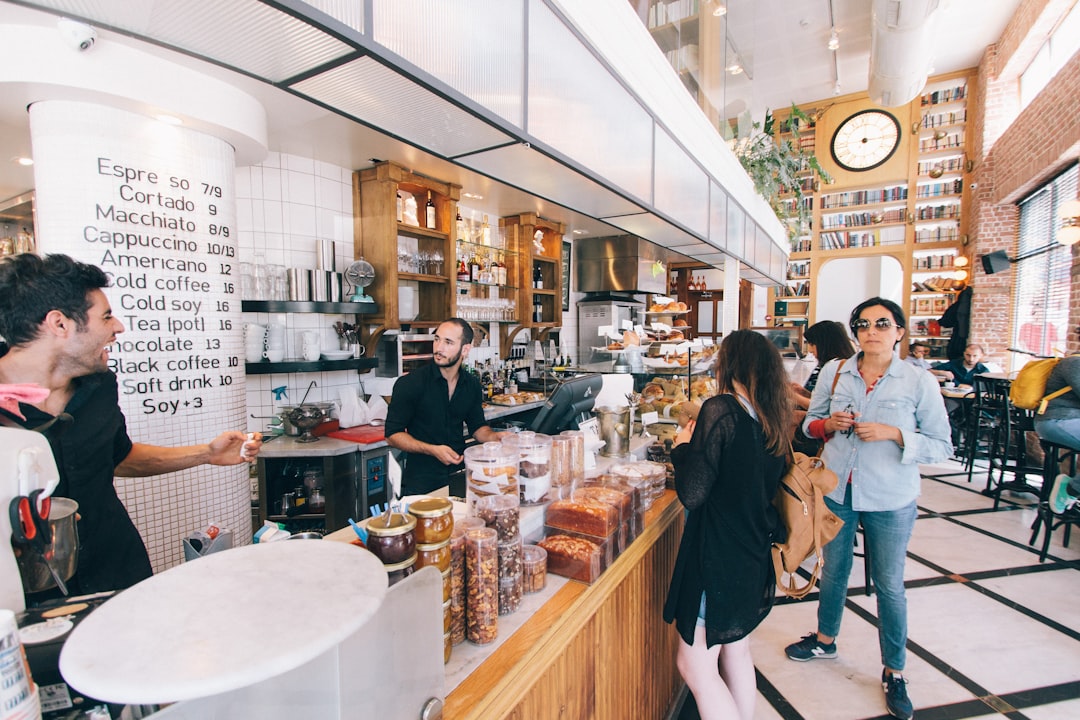
For example, if three customers enter a bakery in this order:
- Maria
- James
- Aisha
Under FCFS, Maria is served first, James second, and Aisha third. No one skips ahead because their order is smaller, more urgent, or easier to fulfill unless the rules are changed.
Why Is FCFS So Common?
FCFS is popular because it is simple, transparent, and predictable. People understand lines. They may not always enjoy waiting in them, but they generally accept the fairness of being served in the order they arrived.
Businesses and systems use FCFS because it requires very little decision-making. There is no complicated ranking, priority score, or special sorting process. Once something enters the queue, it waits its turn.
This makes FCFS especially useful when:
- Requests are similar in size, effort, or importance.
- Fairness and transparency matter more than speed optimization.
- The system needs to be easy for everyone to understand.
- Resources are limited, such as seats, tickets, staff, or machines.
Real-World Examples of FCFS
1. Restaurants and Cafés
One of the easiest examples of FCFS is a restaurant waiting list. If a small restaurant has no open tables, guests add their names to the list. In a basic FCFS system, the first party on the list gets the next available table.
Of course, real restaurants sometimes adjust the order based on party size. A table for two may open before a table for six, so a later group might be seated earlier. That is no longer pure FCFS, but a modified version that balances fairness with efficiency.
2. Customer Support Tickets
Many customer support teams use FCFS to manage incoming requests. If you submit a question at 9:00 a.m. and someone else submits one at 9:05 a.m., your ticket should be reviewed first.
This approach works well for general support queues. However, companies often combine FCFS with priority levels. For instance, a website outage affecting thousands of users may jump ahead of a minor account question. In that case, the system is no longer strictly FCFS; it becomes priority-based within certain categories.
3. Shipping and Order Fulfillment
Online stores often use FCFS when processing purchases. If a store has ten items left and fifteen people place orders, the first ten completed orders may receive the product, while the remaining five may be delayed or canceled.
This is why limited product drops, concert tickets, and flash sales can feel intense. Customers know that being early matters. In many limited-stock situations, FCFS becomes a race against time.

4. Public Transportation
On buses, trains, and ferries, FCFS often applies to boarding and seating. People who arrive earlier at a stop or station are typically closer to the front of the line and have a better chance of getting a seat.
That said, public transportation also includes exceptions. Seats may be reserved for elderly passengers, pregnant passengers, or people with disabilities. These exceptions override FCFS for social and accessibility reasons.
5. Computing and Operating Systems
FCFS is also a major concept in computer science, especially in CPU scheduling. In this context, tasks or processes wait for the processor. The first process that arrives gets executed first.
Imagine a computer has three tasks waiting:
- Task A arrives first and takes 10 seconds.
- Task B arrives second and takes 2 seconds.
- Task C arrives third and takes 1 second.
With FCFS, Task A runs first, even though it takes much longer than the others. Task B and Task C must wait. This is easy to manage, but it can be inefficient because short tasks may get stuck behind long tasks. This issue is known as the convoy effect.
Advantages of FCFS
FCFS has several benefits, especially in systems where simplicity matters.
- Easy to understand: Everyone knows how a line works.
- Easy to implement: Businesses and software systems do not need complicated rules.
- Feels fair: People are usually comfortable with being served based on arrival time.
- Predictable: Once you know your place in line, you can estimate when you will be served.
In many cases, these advantages are enough. A bakery, ticket booth, or basic help desk may not need anything more complex.
Disadvantages of FCFS
Despite its strengths, FCFS is not always the best method. Its biggest weakness is that it treats every request as equal, even when they are not.
For example, a customer with a simple question may wait a long time behind someone with a complicated issue. In computing, a one-second task may wait behind a one-hour task. In a warehouse, a small order may be delayed because a large order arrived first.
The main disadvantages include:
- Long waiting times: Short tasks can be delayed by long ones.
- No priority handling: Urgent cases may wait behind routine ones.
- Possible inefficiency: Resources may not be used in the fastest possible way.
- Customer frustration: People may dislike waiting when their need seems quick or important.
FCFS vs. Priority Service
FCFS is often compared with priority service. In priority service, requests are handled based on importance rather than arrival time. Emergency rooms are a good example. A patient with a life-threatening injury is treated before someone with a mild cold, even if the second person arrived earlier.
Neither system is automatically better. FCFS is best when fairness by arrival time is the goal. Priority service is better when urgency, value, risk, or efficiency matters more.
Many real systems use a hybrid. An airline may board first-class passengers before economy passengers, but within each group, passengers line up in arrival order. A support team may handle urgent tickets first, then use FCFS for tickets with the same priority level.
When Should FCFS Be Used?
FCFS works best when the items in the queue are relatively similar and there is no strong reason to prioritize one over another. It is ideal for simple lines, basic reservations, standard customer service, small retail operations, and many administrative processes.
It is less suitable when some requests are dramatically more urgent, valuable, or time-sensitive. In those cases, a priority system, appointment system, or shortest-task-first system may work better.
The Bottom Line
FCFS means First Come, First Served, and it is one of the simplest ways to decide who or what gets handled next. From coffee shop lines to computer processors, FCFS helps organize demand when resources are limited. Its appeal lies in its clarity: arrive earlier, get served earlier.
Still, FCFS is not perfect. It can be fair without being efficient, and it can be simple without being flexible. The best systems often start with FCFS, then add thoughtful exceptions for urgency, accessibility, or speed. In everyday life, though, few rules are as instantly understood as this one: wait your turn, and you will be served in order.