Buying drugs for a pharmacy can feel like playing a fast game of grocery shopping. Prices move. Suppliers change. Contracts hide in the weeds. SureCost is built to make that job less wild. It helps pharmacies compare prices, order smarter, and track savings without living inside spreadsheets all day.
TLDR: SureCost is a pharmacy purchasing platform for teams that want better pricing, cleaner ordering, and stronger control over inventory spend. It is best for independent pharmacies, long term care pharmacies, specialty pharmacies, and groups with several locations. For example, if a 10 store group spends $4 million per year on generics, even a 2% savings can mean about $80,000 back in the business. Pricing is not public, so you need a custom quote.
What Is SureCost?
SureCost is a pharmacy purchasing and procurement system. That sounds fancy. But the idea is simple.
It helps you answer one daily question:
“Where should I buy this drug today, at the best true cost?”
SureCost pulls pricing and product data from suppliers. Then it lets pharmacy teams compare options. It can also help with ordering, contract tracking, invoice review, purchasing rules, and reporting.
In plain English, it is like a shopping assistant for pharmacy buyers. But this assistant knows NDCs, wholesalers, contracts, rebates, and compliance rules.
Who Is SureCost Best For?
SureCost is not just for one corner drugstore buying a few items a week. It shines when purchasing gets busy.
It is a good fit for:
- Independent pharmacy groups with multiple locations.
- Long term care pharmacies that manage large drug volumes.
- Specialty pharmacies with expensive products and tight margins.
- Buying groups that need better visibility.
- Pharmacy operations teams that want fewer manual steps.
If your buyer is spending hours checking portals, copying prices, and building orders by hand, SureCost may bring relief. And maybe fewer coffee refills.
Main SureCost Features
1. Price Comparison Across Suppliers
This is the big one. SureCost helps compare prices from different sources. That can include primary wholesalers, secondary wholesalers, and other vendors.
The platform can show which option is cheaper. It can also factor in rules, contracts, and availability. That matters because the lowest sticker price is not always the best deal.
For example, buying from a secondary supplier may look cheaper. But if it hurts your primary contract compliance, the “savings” may vanish. SureCost helps buyers see the fuller picture.
2. Smart Ordering
SureCost can turn purchasing into a more guided process. Instead of jumping between supplier websites, buyers can build orders from one place.
This can save time. It can also reduce errors. Fewer wrong items. Fewer missed opportunities. Fewer “Oops, we ordered that twice” moments.
3. Contract Compliance
Many pharmacies have wholesaler contracts. These contracts may include minimum purchase levels, generic compliance goals, or special pricing terms.
SureCost can help track these rules. That way, a buyer can avoid short term savings that create long term contract pain.
This is important. Pharmacy margins are thin. A small contract mistake can turn into a big budget problem.
4. Inventory and Reorder Support
SureCost may help pharmacies make smarter reorder choices. The goal is to avoid two bad things:
- Stockouts, where you need a product but do not have it.
- Overstock, where cash sits on the shelf too long.
Better purchasing data helps teams buy enough, but not too much. That is the sweet spot.
5. Invoice and Cost Review
Another useful area is invoice checking. Pharmacies can compare what they expected to pay with what they were actually charged.
That helps catch pricing errors. It also helps confirm if suppliers are honoring terms. This is not glamorous work. But it can save real money.
6. Reports and Analytics
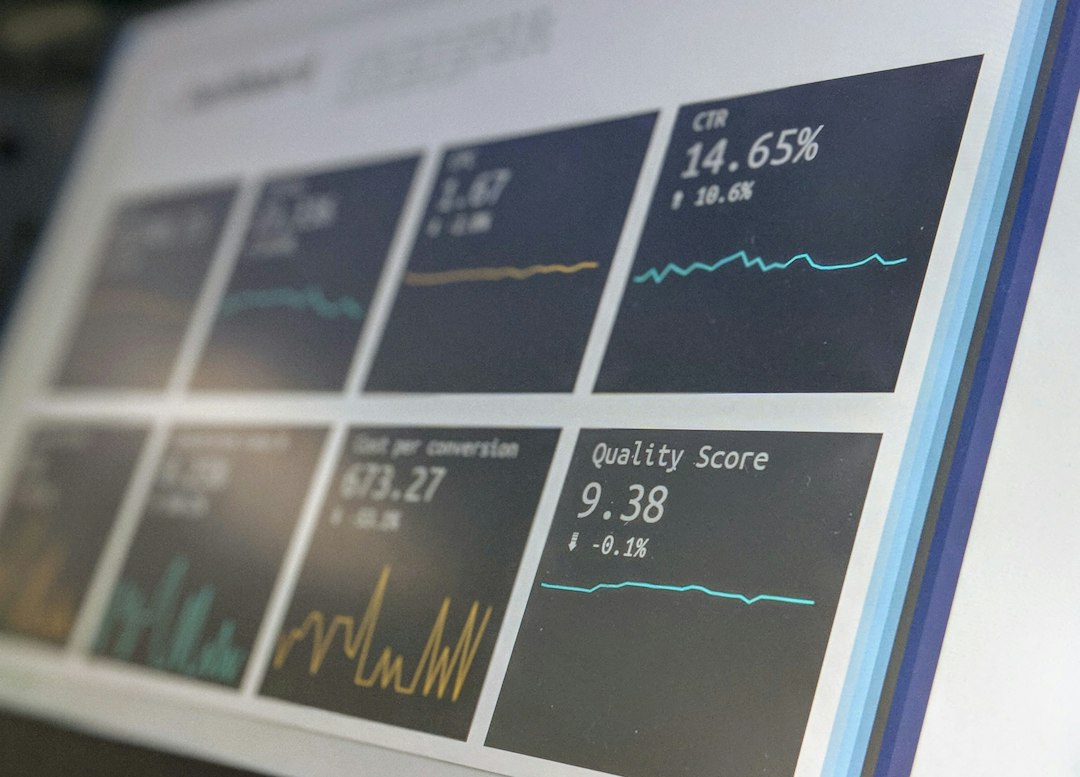
SureCost includes reporting tools. These can show savings, purchasing trends, supplier performance, and contract impact.
Reports help managers ask better questions. For example:
- Which supplier gives us the best value?
- Which locations are buying off contract?
- Which drugs have the biggest price swings?
- Where are we losing margin?
What Makes SureCost Different?
SureCost focuses deeply on pharmacy purchasing. It is not a general inventory app dressed in a lab coat.
Pharmacy buying is strange. One product can have many NDCs. Pricing can change fast. Contracts can be complex. Availability can shift without warning. SureCost is designed for that world.
The best part is the “true cost” mindset. A cheap price is not always the cheapest result. SureCost helps teams think about the total impact of each purchase.
SureCost Pricing
SureCost does not list standard pricing publicly. That usually means pricing is custom. The final cost may depend on your pharmacy size, number of locations, supplier connections, features, and service needs.
You will likely need to contact SureCost for a demo and quote.
Common pricing factors may include:
- Number of pharmacy locations.
- Monthly purchasing volume.
- Number of users.
- Supplier integrations.
- Reporting and analytics needs.
- Implementation and support level.
Is it expensive? Maybe. But that is not the only question. The better question is: Can it save more than it costs?
If a pharmacy spends $1 million a year on drug purchasing, a 1% improvement equals $10,000. A 3% improvement equals $30,000. That can make software pricing easier to judge.
Pros and Cons
Pros
- Built for pharmacies, not generic retail purchasing.
- Helps compare supplier prices in one workflow.
- Can protect contract compliance while chasing savings.
- Useful reports for owners and operations teams.
- May reduce manual work and spreadsheet chaos.
Cons
- No public pricing, so budgeting takes extra steps.
- Setup may take effort, especially with many suppliers.
- Best value comes with volume, so very small pharmacies may see less impact.
- Teams must use it consistently to unlock savings.
Simple User Scenario
Meet Green Valley Pharmacy Group. It has five stores. Each store orders from a primary wholesaler and two secondary suppliers.
Before SureCost, each buyer checked three portals. They copied prices into spreadsheets. They placed orders by habit. It worked, but it was slow.
After using a purchasing platform like SureCost, the group compares options faster. It spots when a secondary price is better. It also avoids breaking primary contract targets.
Let’s say the group spends $2.5 million per year on drugs. If it improves purchasing by just 1.5%, that is $37,500 in possible savings. That is not pocket change. That is “new delivery van” money.

SureCost Alternatives
SureCost is strong, but it is not the only option. Here are alternatives to compare.
1. PharmSaver
PharmSaver is a popular marketplace for pharmacies looking for competitive purchasing options. It is often known for helping users compare secondary supplier prices.
Best for: Pharmacies that want a simpler way to shop for deals from multiple vendors.
2. MatchRx
MatchRx helps pharmacies buy and sell overstock medications with other pharmacies. It is more about inventory recovery than full purchasing management.
Best for: Reducing dead stock and finding hard to source items.
3. McKesson Connect
McKesson Connect is McKesson’s ordering platform. It works well for pharmacies using McKesson as a primary wholesaler.
Best for: Pharmacies tightly tied to McKesson workflows.
4. Cardinal Health Order Express
Order Express supports ordering through Cardinal Health. It includes product search, ordering, and account tools.
Best for: Cardinal customers who want wholesaler specific ordering features.
5. Cencora Ordering Tools
Cencora, formerly AmerisourceBergen, offers ordering and inventory tools for its pharmacy customers.
Best for: Pharmacies using Cencora as a major supplier.
How to Choose the Right Tool
Do not pick software because the demo looks shiny. Shiny is nice. Savings are nicer.
Ask these questions:
- How many suppliers do we order from?
- How much time do buyers spend each week?
- Can the tool protect our contracts?
- Does it show true cost, not just list price?
- Will staff actually use it?
- Can reports prove savings?
Final Verdict
SureCost is a serious purchasing tool for serious pharmacy buyers. It helps teams compare prices, manage contracts, reduce manual work, and make better ordering decisions.
It may not be the cheapest or simplest option for a very small pharmacy. But for growing groups, long term care pharmacies, and high volume operations, it can be a smart move.
The best next step is simple. Review your annual drug spend. Estimate how much a 1% to 3% savings would mean. Then compare that number with SureCost’s quote. If the math works, SureCost may become your buyer’s new favorite sidekick.