
Use Semrush for keyword-by-keyword competitor visibility, and use Similarweb for market-level visibility across sites, categories, and traffic channels. If your SEO team needs to know which rankings changed, which pages won traffic, and which keywords caused the shift, Semrush is the stronger choice. If leadership wants to know who is gaining organic share in a broader market, Similarweb gives a cleaner executive view.
TLDR: Semrush is better for SEO operators who need keyword tracking, SERP movement, and page-level competitor analysis. Similarweb is better for comparing total organic reach, traffic share, and audience behavior across competitors. For example, if a SaaS brand sees a rival grow estimated organic traffic by 18% in one quarter, Semrush can show the keywords and pages behind the gain, while Similarweb can show whether that growth also increased total market share. Many teams get the best result by using Semrush for daily SEO work and Similarweb for monthly competitor reporting.

What a competitor organic visibility tracker should actually do
A serious competitor visibility tracker should answer one basic question: who is becoming easier to find in Google, and why? That sounds simple. It is not. Search visibility depends on rankings, keyword demand, click behavior, SERP features, content depth, brand strength, and technical quality.
Good tracking should include:
- Organic traffic estimates by domain, subfolder, and page.
- Keyword ranking movement across target markets.
- Share of voice against selected competitors.
- Top winning and losing pages over time.
- SERP feature presence, such as snippets, People Also Ask, and local packs.
- Exportable reports that can be checked, challenged, and repeated.
No third-party tool has perfect data. Both Semrush and Similarweb estimate traffic from large datasets. Treat the numbers as directional, not as accounting records. The trend matters more than the exact count.
Semrush: strongest for SEO visibility at keyword level
Semrush is built around search data. Its main strength is that it connects competitor visibility to actual keywords, URLs, ranking positions, and search intent. That makes it useful for SEO managers, content teams, and agencies that need to act quickly.
With Semrush, you can compare domains in Organic Research, track visibility in Position Tracking, and review competitor gaps in the Keyword Gap tool. These features make it clear where a competitor is winning and what you can do about it.
For example, say your ecommerce site sells running shoes. A competitor may gain visibility for “best trail running shoes,” “wide fit running shoes,” and “marathon shoes for beginners.” Semrush can show ranking gains, the URLs ranking for those terms, estimated traffic, keyword difficulty, and intent. That gives your team a practical next step: improve category pages, write comparison guides, or refresh old product content.
Semrush is best when you need to answer:
- Which competitor keywords are growing fastest?
- Which pages are taking traffic from us?
- Where do we rank below competitors for high-value terms?
- Which SERP features are reducing clicks?
- Which content updates should be prioritized this month?
The catch is that Semrush can feel crowded. Reports stack up fast. A simple competitor check can turn into six open tabs and three exports. It drives me crazy that some useful insights sit behind separate tool areas, so teams need a clear process or they will waste time clicking around.
Similarweb: strongest for market visibility and traffic share
Similarweb looks at competitor visibility from a broader angle. It is not only about organic search rankings. It compares traffic sources, market share, audience overlap, geography, engagement, and category trends. That makes it useful for executives, market analysts, investors, and growth teams.
Its appeal is clarity. Similarweb is often easier to present in a board meeting because it frames organic visibility as part of total digital performance. You can see whether a competitor’s organic growth matters in the bigger picture. A site may gain rankings, but if direct traffic, referrals, or paid search are falling, the full story may be weaker than it first appears.
For competitor organic visibility, Similarweb can show:
- Estimated organic search visits by domain.
- Traffic share across a defined competitor set.
- Top organic keywords, depending on plan and data availability.
- Audience engagement, including visit duration and pages per visit.
- Channel mix, so organic can be compared with paid, social, email, direct, and referrals.
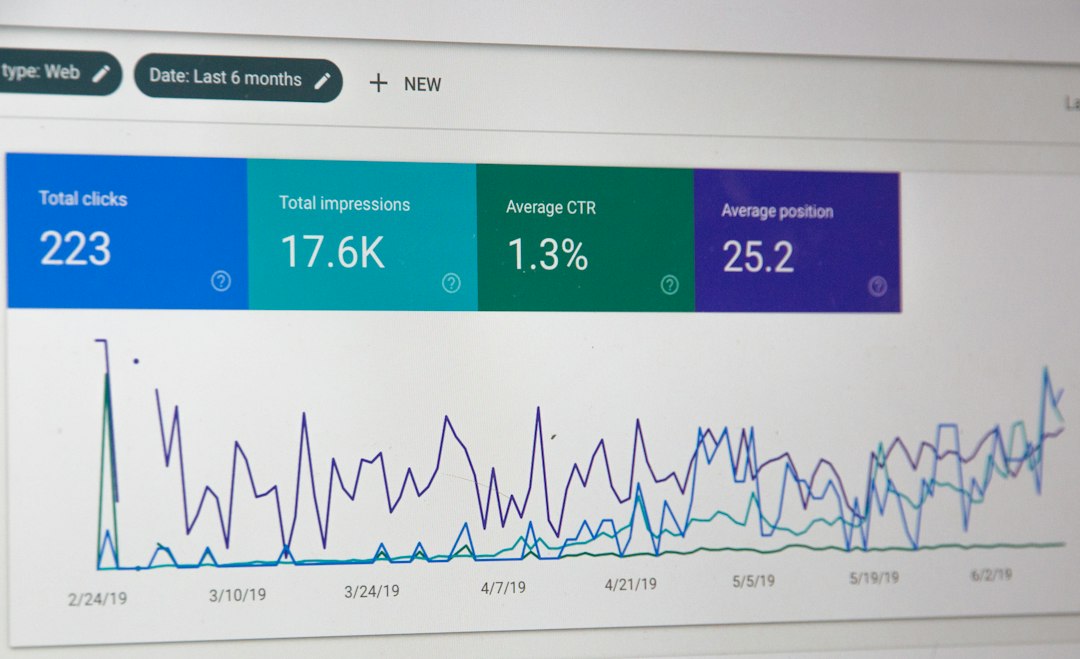
Similarweb is especially strong when the question is about scale. If five competitors are fighting for the same category, Similarweb can show who owns the largest share of organic traffic. It can also show whether a rising competitor is actually attracting new demand or just shifting traffic from another channel.
The annoying part is granularity. Similarweb may not always give the same keyword-level depth that SEO teams expect from Semrush. If you need to brief a writer on exact target terms, Similarweb alone can feel too broad.
Accuracy: which tool should you trust?
Trust neither tool blindly. Trust repeatable trends. That is the safest rule.
Semrush usually feels more reliable for keyword visibility, ranking distribution, page-level SEO changes, and content opportunity analysis. Similarweb often feels more reliable for relative market position, channel balance, and large-site comparisons. Smaller sites can be harder for both tools. Data may swing more, and estimates may be thin.
A practical check is to compare tool data with your own Google Search Console and analytics. If Semrush says a competitor is gaining visibility in a topic cluster, check whether your own impressions or clicks are falling in that same area. If Similarweb says a rival has gained organic share, check whether branded search, referral mentions, or category demand also moved.
Best use cases for Semrush
Semrush fits best in teams that publish, optimize, and measure SEO every week. It is strong for campaign planning and competitive content work.
- Content teams: Find competitor pages gaining traffic and build better topic coverage.
- SEO agencies: Track share of voice across clients and competitor groups.
- Ecommerce teams: Monitor category keywords and product-led search terms.
- B2B SaaS teams: Compare visibility for solution, alternative, and comparison keywords.
- Technical SEO teams: Spot ranking drops that may relate to site changes.
Semrush is also useful for reporting progress. A monthly visibility report can show tracked keyword growth, top improved pages, lost positions, and competitor changes. That makes it easier to defend SEO work with evidence.
Best use cases for Similarweb
Similarweb is better when the audience is not deep in SEO. It works well for strategy, market sizing, benchmarking, and competitor monitoring at a higher level.
- Leadership teams: Compare organic share against named competitors.
- Market analysts: Study traffic trends by category and geography.
- Growth teams: Compare organic with paid, referral, social, and direct traffic.
- Investors: Review digital strength before funding or acquisition talks.
- Brand teams: Check whether visibility gains translate into stronger engagement.
If you sell in several countries, Similarweb can be useful for spotting regional differences. A competitor may be weak in the United States but growing fast in Germany or Brazil. That signal can help teams choose where to invest next.
Side by side comparison
- Keyword tracking: Semrush is stronger.
- Page-level SEO analysis: Semrush is stronger.
- Organic traffic share: Similarweb is often better for executive reporting.
- Channel comparison: Similarweb is stronger.
- Content planning: Semrush is stronger.
- Market benchmarking: Similarweb is stronger.
- Ease of high-level presentation: Similarweb is usually cleaner.
- SEO workflow depth: Semrush wins.

Recommended setup
For most serious SEO teams, the best setup is not Semrush versus Similarweb. It is Semrush plus Similarweb, with clear roles.
Use Semrush to track weekly keyword visibility, content gaps, ranking changes, and page opportunities. Use Similarweb to report monthly organic share, traffic source mix, category trends, and competitor scale. This avoids messy reporting. It also stops teams from forcing one tool to answer every question.
If budget allows only one tool, choose based on the job. Pick Semrush if your goal is to improve rankings and organic traffic through SEO execution. Pick Similarweb if your goal is to compare digital market position and explain competitor growth to senior stakeholders.
The serious answer is simple. Semrush tells you what to fix. Similarweb tells you how big the fight is. For competitor organic visibility tracking, that difference matters.