
Choose 6sense if your manufacturing team needs predictive account discovery across an unclear buying cycle; choose Demandbase if you need tighter account advertising, sales orchestration, and named account control. That split matters because industrial purchases rarely come from one person. Gartner has reported that B2B buying groups often include six to ten decision makers, each armed with independent research [source: Gartner]. For manufacturers selling equipment, components, materials, or industrial software, ABM has to spot plant-level intent, parent-child account complexity, and late-stage committee behavior before a competitor gets the spec.
TLDR: Demandbase is usually stronger for teams with defined target account lists, paid media programs, and sales teams that want clean account views. 6sense is usually stronger when the market is broad, anonymous web traffic is high, and reps need help finding which accounts are in market before they fill out a form. Example: a pump maker targeting 1,200 food processing plants could use 6sense to surface 180 accounts showing surge activity, then use Demandbase-style segmentation to run ads to maintenance managers and procurement. If your sales cycle is 9 to 18 months, the winner is the platform that improves account timing, not the one with the flashiest dashboard.
Why Manufacturing ABM Is Harder Than It Looks
Manufacturing buyers do not behave like software buyers. They research in bursts. They ask engineers for input. They compare distributors. They may need plant approval, corporate approval, and budget approval from people who never visit your website.
That creates a messy buying path. A controls engineer may read your spec sheet. A plant manager may search for downtime reduction. Procurement may compare warranty terms three months later. ABM tools must connect these signals to the same account, even when the data is thin.
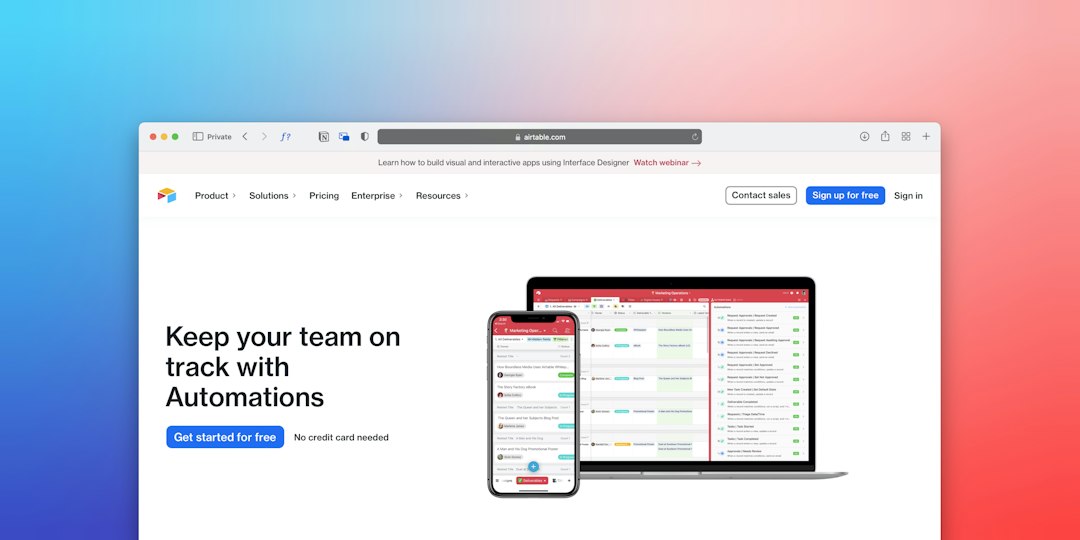
For industrial marketers, the core question is simple: which accounts are worth sales attention right now? Demandbase and 6sense both answer that question, but they approach it differently.
Demandbase: Best for Named Account Precision
Demandbase is often a strong fit for manufacturers that already know their target accounts. Think aerospace suppliers, packaging machinery firms, chemical manufacturers, and industrial automation companies selling to a defined list of OEMs, distributors, or enterprise plants.
Its biggest strength is account-based advertising and account intelligence. Marketing teams can build segments, run display campaigns, track engagement, and show sales which accounts are heating up. Demandbase also tends to appeal to companies with mature CRM discipline and established territories.
Where Demandbase shines:
- Named account targeting: Good for strict territories, strategic accounts, and tiered ABM programs.
- Advertising control: Useful for reaching hard-to-contact buying committees across plants and corporate offices.
- Sales visibility: Reps can see account engagement, page visits, ad activity, and intent signals in one place.
- Fit scoring: Helpful when firmographics such as revenue, industry, region, and employee count matter.
The catch is that Demandbase can feel heavy if your data model is messy. Parent companies, subsidiaries, plant locations, and distributor branches may require cleanup before the platform gives clean guidance. Honestly, it feels like some segment builds take more clicks than they should, especially when you are mixing plant-level filters with corporate account ownership.
6sense: Best for Predictive Demand and Hidden Buyers
6sense usually stands out when manufacturers want to find demand earlier. It is built around predictive analytics, intent signals, anonymous visitor identification, and buying stage models. That matters when buyers are researching quietly and sales only hears about the project after an RFQ is already written.
For example, a manufacturer of industrial valves may not know which food, energy, or pharmaceutical facilities are planning upgrades this quarter. 6sense can help identify accounts showing research activity around related topics, competitor terms, or product categories.
Where 6sense shines:
- Predictive account scoring: Good for spotting demand before form fills or quote requests.
- Buying stage models: Useful for separating early research from real purchase activity.
- Anonymous traffic matching: Helpful when engineers visit technical pages without converting.
- Sales prioritization: Reps can focus on accounts most likely to be active now.
6sense can also frustrate teams that expect instant precision. Predictive models need clean CRM inputs, enough traffic, and feedback from sales. If opportunity stages are sloppy or reps do not log activity, the system can produce scores that spark arguments instead of action.
Targeting Industrial Buyers: What to Compare
Do not compare these platforms only by feature lists. Compare them against your actual sales motion. A company selling $8,000 replacement components has different needs than a company selling $2 million production systems.
Use these evaluation points:
- Account structure: Can the platform handle headquarters, plants, branches, divisions, and distributors?
- Intent relevance: Are the intent topics specific enough for your category, or are they too broad?
- CRM quality: Will account matching work with your current records?
- Sales adoption: Can reps understand the score without a 45-minute explanation?
- Channel fit: Do you rely more on direct sales, distributors, paid media, or trade show follow-up?
Quick Side-by-Side View
| Category | Demandbase | 6sense |
|---|---|---|
| Best fit | Defined target account programs | Predictive demand discovery |
| Strength | Account ads, segmentation, sales views | Intent, buying stages, hidden account activity |
| Manufacturing use case | Targeting top OEMs or strategic distributors | Finding plants researching upgrades or replacements |
| Main risk | Requires clean account hierarchy | Needs enough data and sales feedback |
Which One Should a Manufacturer Choose?
Pick Demandbase if your team already has a strong account list and wants better campaign execution against it. It works well for manufacturers with named account tiers, key account managers, and a serious paid media budget.
Pick 6sense if your team struggles to know which accounts are active. It is especially useful when your website gets technical traffic, your sales cycle is long, and prospects often wait until late in the process to contact sales.
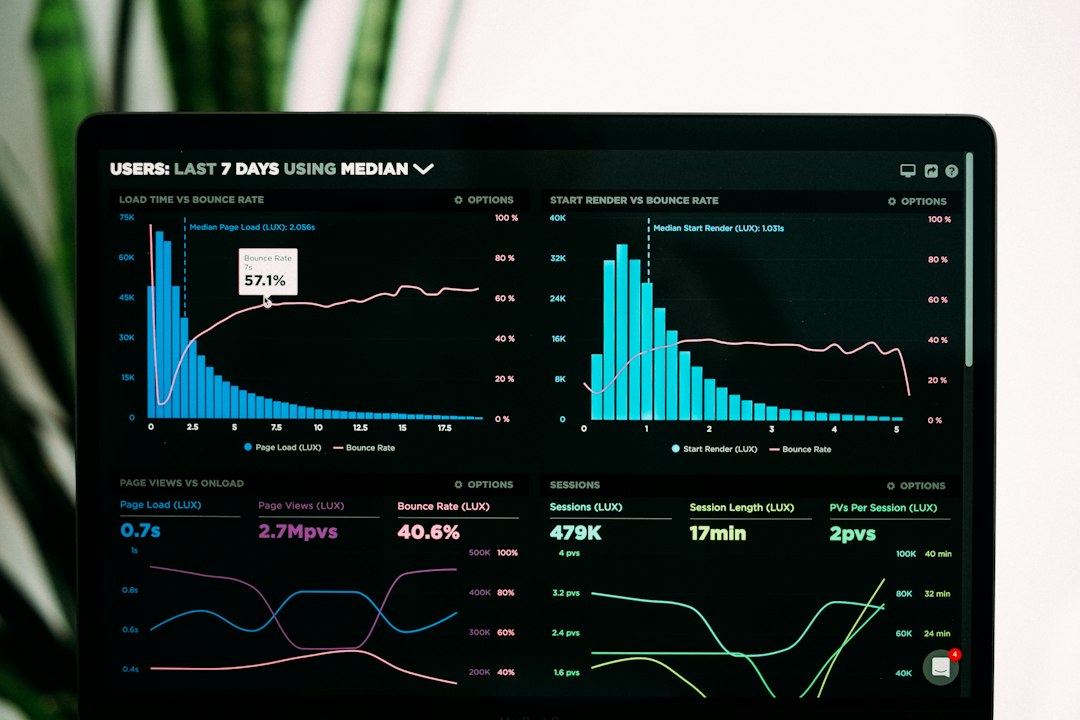
Some larger manufacturers may use both, but that is not the right starting point for most teams. Expect to waste time on integration meetings if your CRM, marketing automation, and account ownership rules are not ready. The tool will not fix a broken data process by itself.
The smartest path is to run a pilot with 200 to 500 accounts. Measure whether sales accepts more accounts, books more meetings, and creates more qualified pipeline. If 6sense finds accounts your reps would have missed, it earns attention. If Demandbase improves coverage and engagement across high-value targets, it earns budget.
Final recommendation: for broad industrial demand sensing, start with 6sense. For focused ABM execution against known accounts, start with Demandbase. In manufacturing, timing beats volume. The best platform is the one that tells sales who is active, why they care, and what to do next.